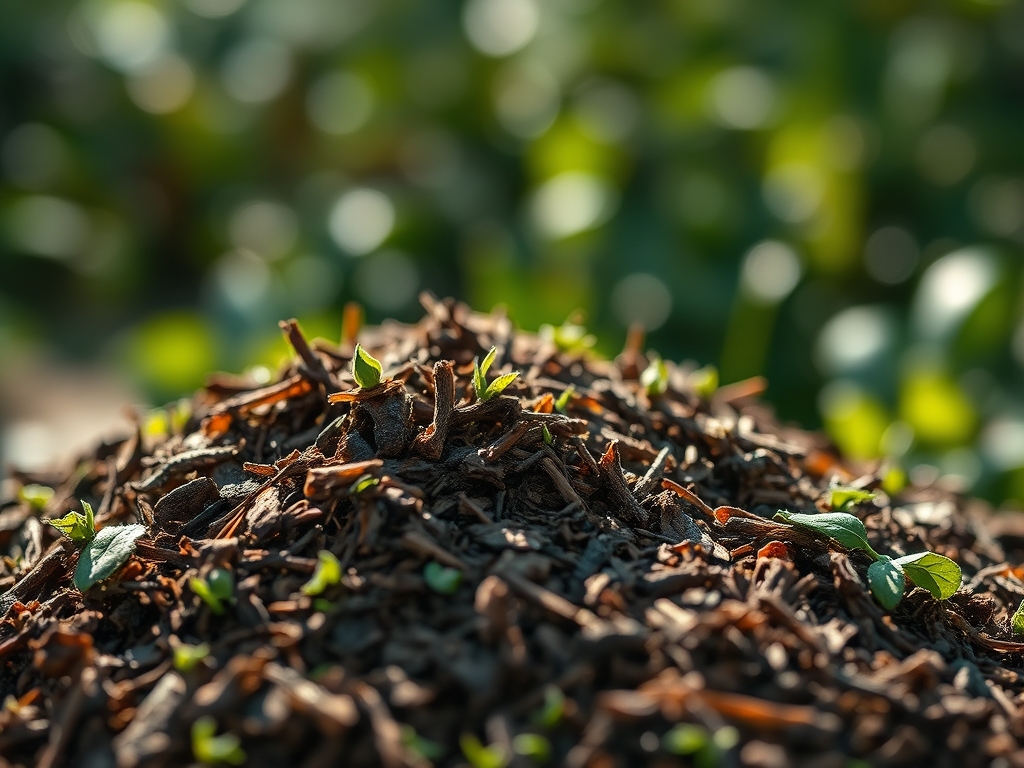
9 Best Decorative Mulch for Professional Landscapes
The smell of damp earth after a heavy rain indicates active microbial respiration within the rhizosphere. When leaf turgor is high and the vascular system is fully hydrated; the plant achieves maximum photosynthetic efficiency. Selecting the best mulch for professional design requires more than aesthetic preference. It demands a technical understanding of soil thermal regulation and moisture retention. Professional landscapes rely on specific substrates to suppress weed germination and modulate soil temperature fluctuations between diurnal cycles.
Materials:
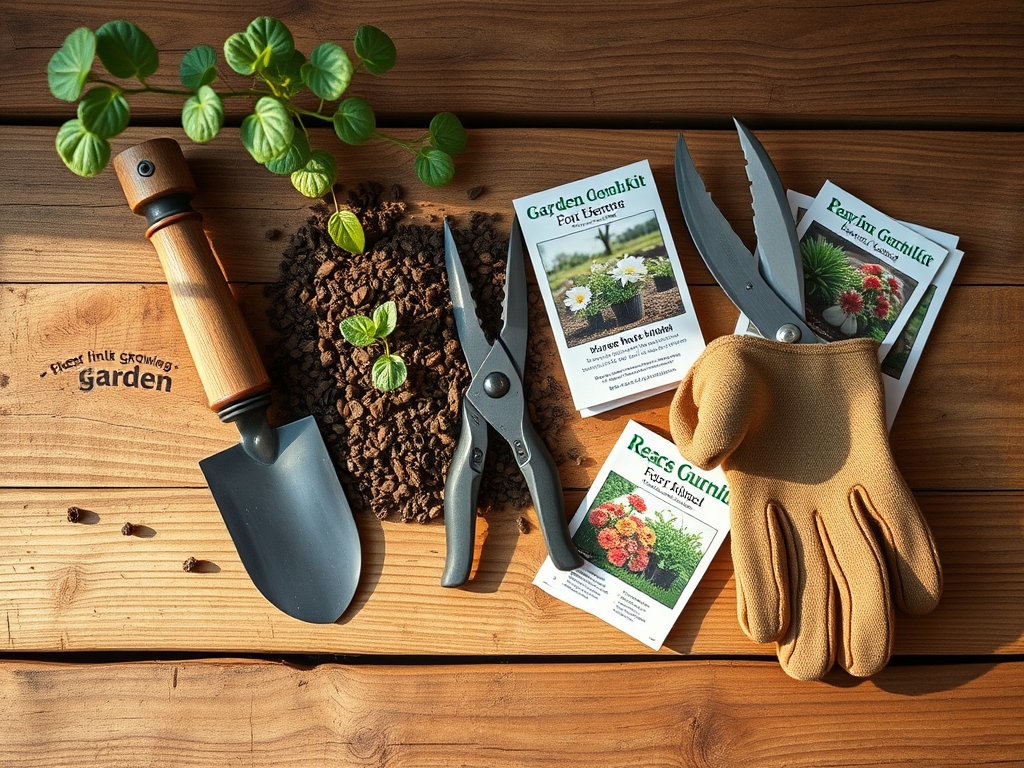
Substrate selection depends on the existing soil Cation Exchange Capacity (CEC) and the target pH level of the plant species. For acid-loving ornamentals like Azaleas or Pieris; a substrate with a pH of 4.5 to 5.5 is required. Most professional designs utilize a friable loam base with a bulk density of approximately 1.2 grams per cubic centimeter.
- Hemlock Bark: High tannin content; pH 4.5; NPK 0.1-0.0-0.1.
- Double-Ground Cedar: High C:N ratio; insecticidal properties; pH 5.5.
- Pine Straw: Acidifying; NPK 0.5-0.1-0.1; excellent for slope stability.
- Dyed Hardwood: Neutral pH; slow decomposition; high carbon sequestration.
- Arborist Chips: High fungal diversity; NPK varies by species; promotes mycorrhizal networks.
- Coco Coir: Neutral pH; high water holding capacity (WHC); renewable.
- Pebble/Stone: Zero NPK; high thermal mass; permanent structure.
- Pine Bark Nuggets: Large surface area; pH 4.0 to 5.0; resists compaction.
- Leaf Mold: High humic acid; NPK 1.5-0.5-1.0; rapid nutrient cycling.
Timing:
In Hardiness Zones 4 through 7; the primary application window occurs after the first hard frost or in early spring before the soil temperature reaches 50 degrees Fahrenheit. Applying mulch too early in spring can insulate the cold; delaying the biological clock and slowing the transition from dormancy to the vegetative stage. In warmer Zones 8 through 10; mulch must be maintained year-round to prevent soil solarization and protect the root zone from extreme thermic stress. Observe the phenological cues of local flora; when Forsythia blooms; the soil is ready for a fresh application.
Phases:

Sowing and Seedbed Preparation
When sowing directly into the landscape; mulch must be fine-textured to avoid blocking light-sensitive seeds. Use a 0.25-inch layer of screened compost or fine pine bark. This protects the seed from avian predation while maintaining the humidity required for the imbibition phase of germination.
Pro-Tip: Fine mulch prevents soil crusting; which ensures that the hypocotyl can emerge without physical resistance. This maintains apical dominance and prevents premature lateral branching.
Transplanting into Mulched Beds
When moving a plant from a container to the field; clear a circle twice the diameter of the root ball. Ensure the root flare remains visible and is not buried by the mulch layer. Burying the flare leads to adventitious root growth and eventual trunk girdling.
Pro-Tip: Maintain a 2-inch gap between the mulch and the plant stem to prevent moisture-induced rot and fungal pathogens. This air gap facilitates gas exchange for the cambium layer.
Establishing the Landscape
During the first 12 months; the plant focuses on root expansion. A 3-inch layer of organic mulch reduces competition from invasive species and stabilizes the moisture levels in the top 6 inches of the soil profile. This consistency allows for steady root elongation without the stress of dry-down cycles.
Pro-Tip: Organic mulches encourage mycorrhizal symbiosis. These fungi extend the root system's reach; increasing the uptake of phosphorus and micronutrients through a larger surface area.
The Clinic:
Physiological disorders often stem from improper mulch depth or material choice.
- Symptom: Yellowing of older leaves (Chlorosis).
Solution: This often indicates Nitrogen immobilization. High-carbon mulches like fresh wood chips can "steal" nitrogen from the soil as microbes work to break them down. Fix-It: Apply a high-nitrogen fertilizer (NPK 21-0-0) at a rate of 0.5 lbs per 100 square feet before mulching. - Symptom: Slime mold or fungal "artillery" spots on siding.
Solution: Excessive moisture in hardwood mulch. Fix-It: Rake the mulch to improve aeration and reduce the depth to under 2 inches. - Symptom: Hydrophobic soil (Water beads on surface).
Solution: Old; compacted mulch has developed a fungal mat. Fix-It: Use a hori-hori knife to break the surface tension and integrate 1 inch of fresh compost to restore soil biology.
Maintenance:
Professional maintenance requires precision. Provide 1.5 inches of water per week at the drip line; using a soil moisture meter to verify that the moisture has penetrated the mulch layer and reached the root zone at a depth of 4 to 8 inches. Use bypass pruners to remove any suckers or water sprouts that emerge from the base of the plant. Annually; use a rake to fluff the existing mulch. This prevents the formation of a "crust" that can impede oxygen diffusion to the rhizosphere. If the mulch has decomposed into a fine; soil-like consistency; it has become "humus" and can be integrated into the soil before adding a fresh decorative layer.
The Yield:
For landscapes featuring cut flowers or woody ornamentals; harvest during the early morning hours when turgor pressure is at its peak. Use a sharp blade to make a clean; 45-degree angle cut. This maximizes the surface area of the xylem for water uptake. Immediately submerge the stems in 100-degree Fahrenheit water to remove air embolisms. For woody stems; a light crushing of the base can further enhance hydration. Store in a cool; dark environment for two hours to allow the plant to stabilize before final arrangement.
FAQ:
How deep should mulch be for professional results?
Maintain a consistent depth of 2 to 3 inches. Excessive depth restricts oxygen flow to the roots; causing anaerobic conditions. Insufficient depth allows UV light to reach weed seeds; triggering germination and increasing soil moisture evaporation rates.
Can mulch change the pH of my soil?
Yes. Pine bark and needles gradually lower pH as they decompose; making them ideal for ericaceous plants. Hardwood mulches tend to be neutral or slightly alkaline. Monitor soil pH every two years to ensure it remains within the target range.
What is the best mulch for weed suppression?
A combination of a 1-inch layer of compost topped with 2 inches of wood chips provides the best barrier. The compost feeds the soil; while the chips provide the physical density and light-blocking properties necessary to prevent weed emergence.
Does mulch attract termites or pests?
Most wood-based mulches do not provide the moisture or structural volume required for termite colonies. However; cedar and cypress contain natural resins and oils that act as a deterrent to many crawling insects; making them a superior choice for foundation plantings.