6 Ways to Adjust a Lawn Spreader for Applying Organic Fertilizer to Garden Beds
Granular organic fertilizer feels rough between your fingers, smells faintly of composted manure and kelp meal, and promises slow-release nutrition that won’t burn tender roots. Getting that fertilizer evenly distributed across garden beds requires precision calibration of your lawn spreader, not guesswork. The steps for adjusting a lawn spreader for organic fertilizer differ significantly from synthetic applications because organic materials vary wildly in particle size, moisture content, and weight per cubic foot. A broadcast spreader calibrated for 10-10-10 synthetic granules will throw fish meal based fertilizer in erratic patterns unless you account for density differences.
Materials & Supplies
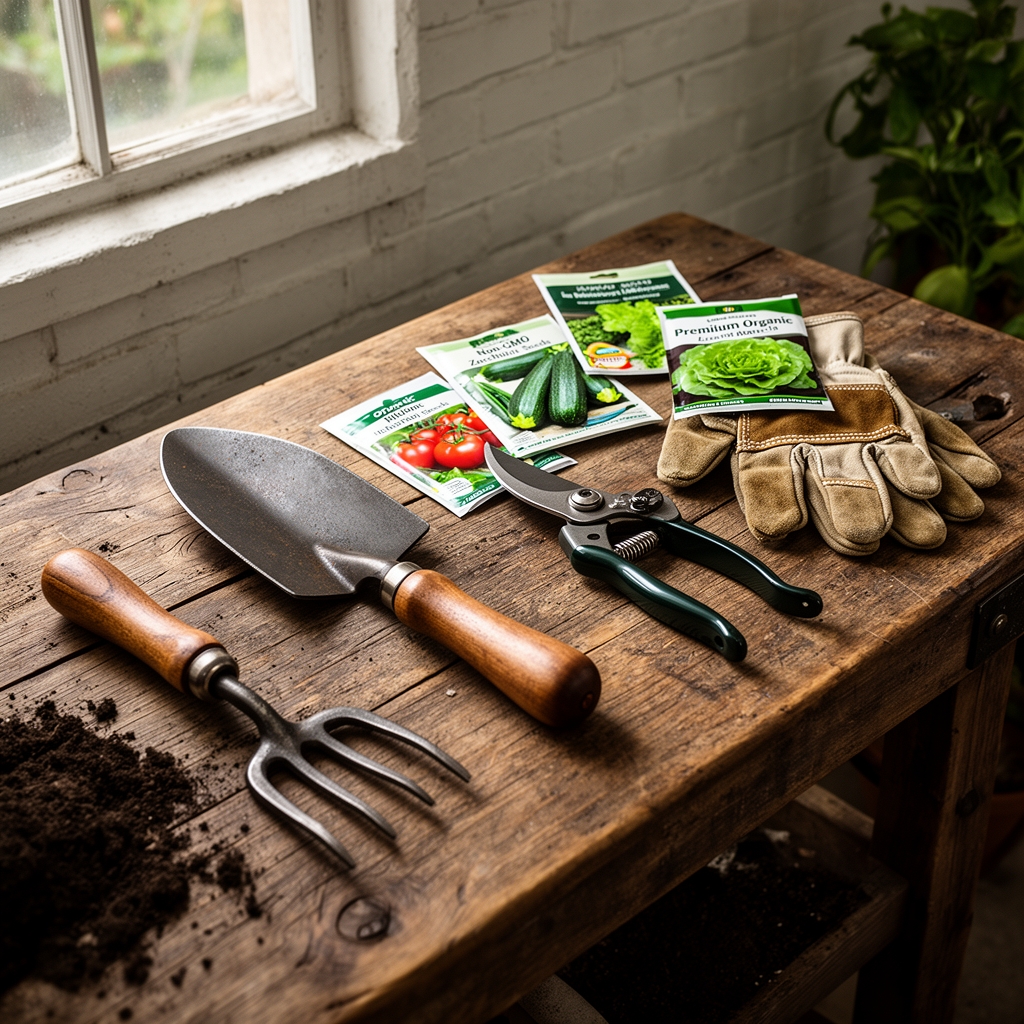
Spreader Equipment:
- Broadcast or rotary spreader with adjustable flow gate (0-20 settings)
- Drop spreader for precision edging (optional)
- Deflector shield for directional application
Fertilizer Products:
- Balanced organic blend (5-5-5 NPK) for general garden beds
- High-phosphorus bone meal (3-15-0 NPK) for root establishment
- Blood meal (12-0-0 NPK) for nitrogen-hungry brassicas
- Kelp meal for trace minerals and natural growth hormones
Testing & Calibration Tools:
- Tarp or plastic sheeting (10×10 feet minimum)
- Kitchen scale accurate to 0.1 ounces
- Measuring tape (25-foot)
- Soil pH test kit (target range 6.0-7.0 for most vegetables)
- Moisture meter for fertilizer consistency checks
Safety Gear:
- Dust mask rated N95 or higher
- Garden gloves (nitrile coated for grip)
- Safety glasses
Timing & Growing Schedule
Organic fertilizer application timing aligns with soil temperature rather than calendar dates. Apply base amendments when soil reaches 50°F at 4-inch depth, typically 2-3 weeks before last frost in Zones 5-7. In Zones 8-10, fertilize cool-season beds in October through November.
Seasonal Application Windows:
- Early Spring: Apply 2 weeks before transplanting when forsythia blooms
- Mid-Season: Side-dress established plants at 30-day intervals
- Fall Preparation: Broadcast cover crop areas 6 weeks before first frost
- Winter Storage: Calibrate and clean spreaders during dormant months
Days to Soil Incorporation:
Granular organic fertilizers require 7-14 days for microbial breakdown before nutrients become plant-available. Spread fertilizer, then irrigate with 0.5 inches of water to initiate decomposition. Till or fork into top 3 inches of soil for annual beds; top-dress perennial borders without disturbing roots.
Step-by-Step Instructions

Step 1: Calculate Application Rate
Determine square footage of target beds (length x width). Read fertilizer bag for recommended pounds per 1,000 square feet. Most organic blends specify 10-20 pounds per 1,000 square feet. Divide total bed area by 1,000, multiply by recommended rate.
Pro-Tip: Organic fertilizers settle during shipping. Shake bags vigorously before opening to restore uniform particle distribution and prevent heavier bone meal from concentrating at the bottom.
Step 2: Conduct Dry Calibration Test
Set spreader to mid-range (setting 10 on 20-point scale). Fill hopper with exactly 5 pounds of fertilizer. Walk normal pace across tarp laid on flat surface, covering 200 square feet in straight passes. Sweep up and weigh expelled material. Calculate coverage rate: (weight expelled / 200) x 1,000 = pounds per 1,000 square feet.
Pro-Tip: Organic particles create static cling in plastic hoppers. Spray hopper interior with cooking oil spray, wipe thin, to reduce friction and improve flow consistency.
Step 3: Adjust Flow Gate Based on Particle Size
Fine textured fertilizers (kelp meal, alfalfa pellets) require lower settings (6-8). Coarse blends with shell fragments need higher settings (12-15) to prevent gate clogging. Moisture content affects flow; damp fertilizer requires one full setting increase.
Pro-Tip: Keep a conversion chart taped to your spreader handle. Record successful settings for each fertilizer brand you use regularly, noting humidity conditions.
Step 4: Set Walking Speed and Overlap Pattern
Maintain 3 mph walking pace (one step per second). Overlap wheel tracks by 6 inches on broadcast spreaders to prevent striping. Mark start and end points with bamboo stakes to maintain straight lines.
Pro-Tip: Broadcast spreaders throw 80% of material within the middle 50% of spread width. Compensate by making edge passes at half-speed with deflector shield angled toward bed center.
Step 5: Perform Final Spread Pattern Verification
Place collection pans (aluminum pie tins) in grid pattern across tarp at 2-foot intervals. Make single pass over collection area. Weigh contents of each pan. Variation between pans should not exceed 15%. Adjust spreader settings and repeat if distribution is uneven.
Pro-Tip: High-nitrogen materials like blood meal attract rodents. Mix with diatomaceous earth (10% by weight) to deter voles and mice without affecting soil biology.
Step 6: Clean Equipment Immediately After Use
Flush hopper, gears, and spreading mechanism with garden hose before fertilizer residue hardens. Remove agitator and inspect for compacted material. Spray moving parts with white lithium grease. Store spreader elevated off concrete to prevent rust on axles.
Pro-Tip: Fertilizer salts corrode metal spreader components. Apply thin coat of food-grade mineral oil to hopper interior and gears after cleaning for off-season storage.
Nutritional & Environmental Benefits
Organic fertilizers feed soil microorganisms that produce plant-available nutrients through decomposition cycles. A single application of 5-5-5 organic blend introduces 2-4% humic acid, improving soil structure and water retention by 15-20% compared to bare soil.
Nutrient Density Comparison:
Blood meal delivers 12% nitrogen through protein degradation, releasing nutrients across 6-8 weeks. Bone meal provides 24% phosphorus as calcium phosphate, essential for root development and flower formation. Kelp meal supplies 60+ trace minerals including boron, zinc, and iron.
Ecosystem Support:
Slow-release nutrition prevents nutrient runoff that contaminates waterways. Organic matter increases earthworm populations by 300% within one growing season. Enhanced soil structure creates nesting habitat for native ground-nesting bees including Andrenidae species that pollinate early spring crops.
Advanced Methods
Small Space Adaptation:
Use handheld broadcast spreader for raised beds under 50 square feet. Convert application rates: 10 pounds per 1,000 square feet equals 1 pound per 100 square feet or 1.6 ounces per 10 square feet. Weigh portions on kitchen scale for precision.
Permaculture Integration:
Broadcast fertilizer before sowing cover crops like crimson clover or hairy vetch. These nitrogen-fixing legumes incorporate nutrients into biomass, then release during decomposition as green manure. This method reduces fertilizer needs by 40% in subsequent seasons.
Season Extension Strategy:
Apply high-nitrogen fertilizer (8-2-2 NPK) to cold frames and hoop houses 10 days before transplanting winter greens. Elevated nitrogen supports leaf production during low-light months (November-February in Zones 6-8).
Compost Tea Pairing:
Irrigate spreader-applied fertilizer with aerated compost tea (brewing ratio 1:5 compost to water). This introduces 1 billion beneficial bacteria per milliliter, accelerating organic matter breakdown by 50%.
Troubleshooting
Symptom: Fertilizer clumping in hopper and clogging spreader gate.
Solution: Moisture content exceeds 15%. Spread product on tarp in direct sun for 2 hours, stirring every 30 minutes. Store remaining fertilizer in airtight containers with silica gel packets.
Symptom: Striped growth patterns in garden beds showing alternating dark and light green foliage.
Solution: Inadequate overlap between spreader passes. Re-calibrate by reducing walking speed to 2 mph and increasing pass overlap to 8 inches.
Symptom: Fertilizer bouncing off spreader deflector plate and landing outside target area.
Solution: Particle velocity too high. Reduce spreader setting by 2 points and slow walking speed. Install rubber deflector guard to cushion impact.
Symptom: Uneven spread pattern with heavy concentration in center, light edges.
Solution: Spreader impeller blades worn or bent. Inspect rotary mechanism; replace blades showing 20% wear or cracks. Clean impeller shaft bearings and lubricate.
Symptom: Nutrient burn symptoms (brown leaf tips, stunted growth) appearing 5-7 days after application.
Solution: Over-application of high-nitrogen fertilizer. Flush soil with 2 inches of water to leach excess salts below root zone. Reduce future application rates by 50%.
Storage & Maintenance
Watering Protocol:
Apply 0.5 inches water immediately after spreading fertilizer to prevent wind dispersal and initiate microbial activity. Maintain 1 inch per week total moisture (rain plus irrigation) during active growth. Use rain gauge to track accumulation.
Feeding Schedule:
Base application at planting (2 pounds per 100 square feet), mid-season side-dress at 45 days (1 pound per 100 square feet), late-season boost at 90 days for fall crops (0.5 pounds per 100 square feet).
Post-Harvest Fertilizer Storage:
Store opened bags in weatherproof bins with tight-fitting lids. Ideal conditions: 40-60°F, relative humidity below 50%. Organic fertilizers remain viable 18-24 months when properly stored. Check for ammonia odor indicating decomposition; discard if detected.
Spreader Winter Storage:
Remove all fertilizer residue. Spray metal components with rust inhibitor. Store in climate-controlled space (garage, shed) elevated 6 inches off ground on wood blocks. Inspect wheels annually; replace pneumatic tires showing cracks or low tread.
Success Blueprint
Master these six adjustment techniques to transform your lawn spreader into a precision fertilization tool that reduces waste by 30% while improving nutrient distribution uniformity. Proper calibration ensures organic amendments break down at optimal rates, feeding soil biology that sustains plant health across entire growing seasons. Consistent application practices build soil organic matter from 2% to 5% within three years, creating self-sustaining fertility.
Share your calibration settings and favorite organic fertilizer blends with local gardening groups through community garden workshops or county extension programs. Document your results with before and after soil tests to inspire neighbors toward regenerative practices.
Expert FAQs
How do I adjust spreader settings for different organic fertilizer brands?
Start with manufacturer baseline, then conduct tarp test. Fine powders like alfalfa meal require settings 30% lower than coarse blends. Record successful settings directly on fertilizer bags with permanent marker for future reference.
Can I use my lawn spreader for both synthetic and organic fertilizers?
Yes, but clean thoroughly between uses. Synthetic salts leave residue that alters organic fertilizer pH. Flush with vinegar solution (1 cup per gallon water), rinse, dry completely before switching products.
What spreader type works best for narrow garden paths?
Drop spreaders deliver precision for paths under 24 inches wide. Set drop width to match path dimension. Apply at half normal walking speed (1.5 mph) for accurate coverage without overspray into adjacent beds.
How often should I calibrate my spreader during the growing season?
Calibrate before first spring application, then verify mid-season. Gear wear and fertilizer density variations affect accuracy. Re-test whenever switching between fertilizer types or if growth patterns show irregularities.
Does temperature affect organic fertilizer spreader performance?
Cold fertilizer below 40°F flows 25% slower due to reduced particle movement. Warm product to 60-70°F by storing indoors 24 hours before application. Avoid spreading during temperatures above 85°F when dust creates respiratory hazards.