9 Steps to Build a Stone Fire Pit Area
The evening air carries smoke and voices as flames throw light across split fieldstone. Steps for building a stone fire pit area transform lawn or compacted earth into a gathering node where radiant heat meets cold beer and stories pile up like cordwood. This construction demands no mortar if drainage and settling are managed correctly, and the finished ring can last decades through freeze-thaw cycles when stone is chosen for its specific lithology.
Materials
Select local fieldstone or quarried block with flat faces to minimize wobble. Angular granite and basalt withstand thermal shock better than sedimentary limestone, which can spall when exposed to direct flame. Each stone should weigh 30 to 50 pounds for stability without mechanical lift.
For the base layer, source 3/4-inch crushed gravel with a low coefficient of uniformity to lock particles and resist frost heave. A six-inch compacted gravel pad provides the cation exchange capacity to drain water away from the fire ring footprint. If you plan to plant low-growing thyme or sedum in gaps around the perimeter, amend topsoil with a 4-4-4 organic fertilizer and coarse sand in a 1:1:1 ratio. This blend holds moisture without becoming anaerobic.
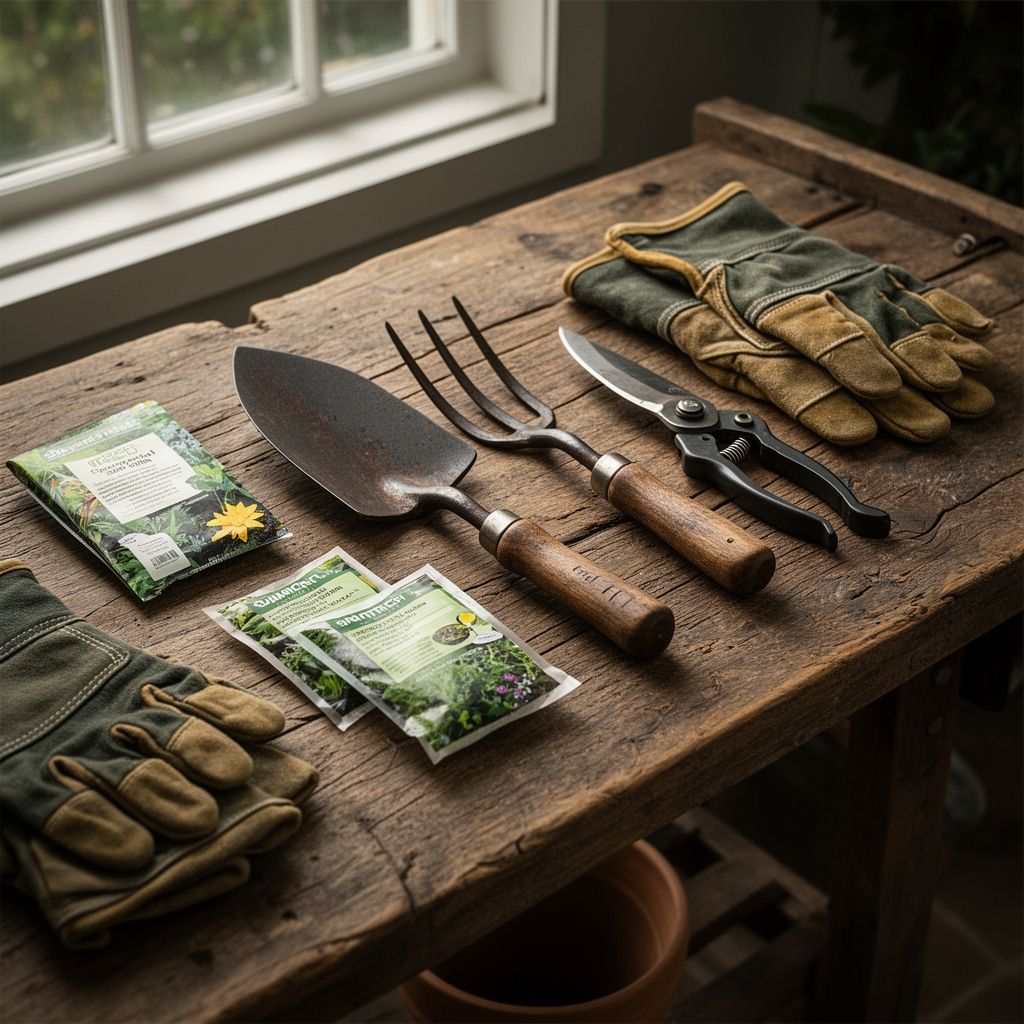
Additional supplies include a 50-foot tape measure, mason's line, four wooden stakes, a hand tamper or plate compactor, landscape fabric, and a 4-foot level. A rubber mallet settles stones without chipping edges.
Timing
Begin construction after the last spring frost when soil temperatures stabilize above 50 degrees Fahrenheit. In USDA Hardiness Zones 5 through 7, this window opens mid-April to early May. Zones 8 and 9 can start in late March. Avoid building during active rainy seasons; saturated subsoil compresses poorly and shifts under load. Fall construction works well from September through October before ground freeze, giving stones time to settle before winter heaving redistributes the load.
Phases
Site Preparation
Mark the outer diameter using a center stake and a 4-foot radius arc. A finished interior diameter of 36 inches accommodates standard firewood lengths and provides adequate draft. Remove all turf and organic matter down to mineral soil, extending 12 inches beyond the marked circle. Excavate an additional 6 inches for the gravel pad. Compact the exposed subgrade with a hand tamper until a boot heel leaves no impression.
Pro-Tip: Slope the excavated basin 1 percent away from the pit center to prevent water pooling beneath the stone ring.
Base Installation

Lay landscape fabric across the excavated floor to suppress perennial weeds without blocking water. Pour 6 inches of crushed gravel evenly across the fabric. Tamp in 2-inch lifts rather than compacting the entire depth at once; shallow lifts eliminate voids and increase load-bearing density. Check level in multiple directions. The finished pad should sit 2 inches below surrounding grade to prevent runoff from entering the seating area.
Pro-Tip: Spray the gravel lightly with water before tamping. Moisture lubricates particle interfaces and improves compaction without creating mud.
Stone Ring Assembly
Select the largest, flattest stones for the base course. Arrange them in a circle with tight joints, leaving minimal gaps. Stagger vertical joints in the second course to increase structural interlock, mimicking traditional dry-stack masonry. Each upper stone should span the joint of two lower stones. Aim for three to four courses, reaching a finished height of 18 to 24 inches. Use the rubber mallet and level to adjust each stone until the top surface is plumb and flush with neighbors.
Pro-Tip: Save one or two exceptionally flat capstones for the top course. These provide stable surfaces for resting pokers or setting a grill grate.
Backfill and Edging
Fill voids behind the stone ring with additional crushed gravel to stabilize the back faces. Tamp this backfill firmly. For a finished edge, install a 12-inch band of pea gravel or decomposed granite around the pit perimeter. If planting creeping thyme, mix the amended soil and sow seed in late spring. Thyme roots penetrate shallow cracks and release aromatic oils when foot traffic or heat disturbs the foliage.
Troubleshooting
Symptom: Stones shift or lean inward after several fires.
Solution: Disassemble the affected section and add more gravel behind the stones. Repack and tamp until resistance feels uniform.
Symptom: Water pools inside the fire ring after rain.
Solution: Drill a 2-inch weep hole through the lowest stone in the ring or excavate a shallow trench from the pit center to daylight.
Symptom: Limestone capstones crack and flake.
Solution: Replace with igneous or metamorphic stone rated for high-temperature exposure.
Symptom: Weeds emerge through gravel seams.
Solution: Apply a 1-inch top dressing of fresh gravel annually to smother germinating seedlings.
Maintenance
Remove ash after every third fire to prevent buildup that insulates the base and traps moisture. Rake the gravel pad annually to redistribute material and fill low spots caused by settling. Inspect stones each spring for frost damage. Replace cracked units immediately; compromise in one course can destabilize the entire structure. Water planted thyme with 1 inch per week during establishment, then reduce to zero supplemental irrigation once roots reach 6 inches deep.
FAQ
How deep should the gravel base be?
Six inches of compacted 3/4-inch crushed gravel provides sufficient load distribution and drainage for a residential fire pit.
Can I use river rock instead of crushed stone?
Avoid it. Smooth river rock lacks angular edges to interlock and will shift under load.
Do I need a metal ring liner?
No. Properly stacked stone handles heat without a liner. Metal rings rust and complicate eventual disassembly.
How far from structures should the pit sit?
Maintain a minimum 15-foot clearance from buildings, fences, and overhanging tree canopies.
What wood burns cleanest?
Dry hardwoods like oak, ash, and maple produce the least smoke and longest coals. Season wood for 12 months to reduce moisture content below 20 percent.