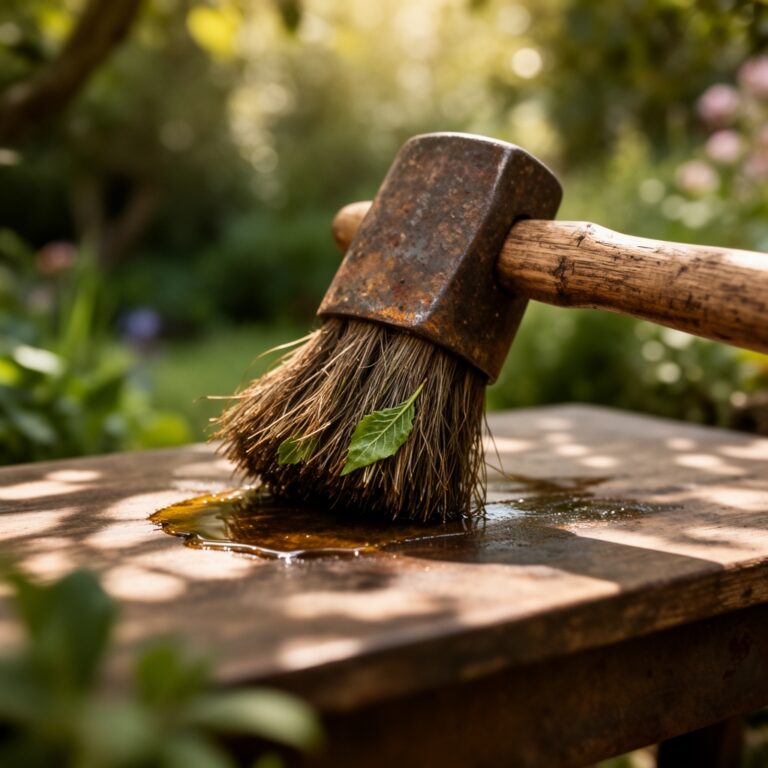
6 Tips to Use a Deep Cleaning Hack to Restore Tools
The smell of damp earth and the high turgor pressure of a healthy leaf signify a garden in peak physiological balance. However, the efficiency of your horticultural labor depends entirely on the integrity of your steel. Pathogens like Fusarium or Botrytis often hitchhike on rusted, pitted blades; this compromises the vascular system of your specimens during pruning. Using a cleaning hack for garden tools is not merely an aesthetic choice. It is a fundamental biosecurity measure that prevents cross-contamination within the rhizosphere. When carbon steel loses its edge or accumulates oxidized scale, it creates ragged wounds rather than clean abscission layers. This jagged tissue increases the surface area for fungal spores to colonize. By restoring your equipment to its factory state, you ensure that every cut promotes rapid callusing. Maintaining surgical-grade tools allows for precise management of plant architecture and nutrient flow. Neglecting tool hygiene leads to mechanical stress and decreased photosynthesis efficiency in the orchard and the greenhouse alike.
Materials:

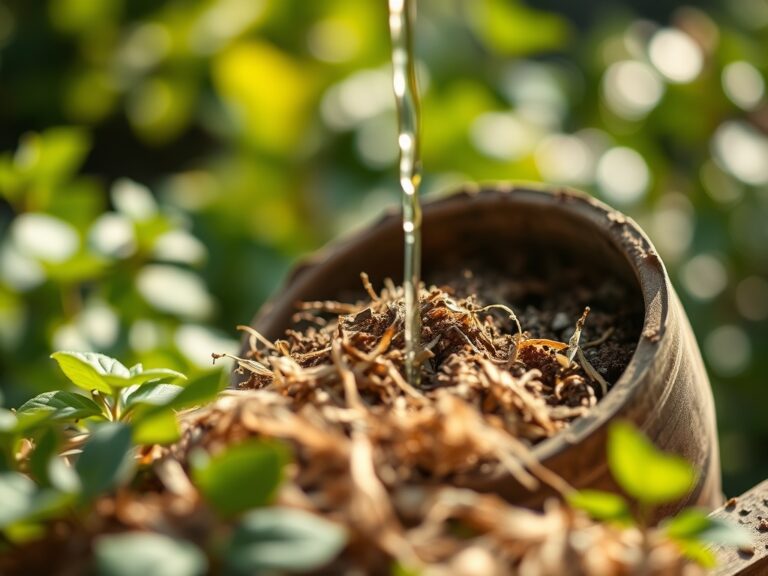
Restoring tools requires an understanding of chemical interactions. For the primary cleaning agent, utilize a solution of **5 percent acetic acid** (white vinegar) to dissolve iron oxide. If tools have been exposed to soil with a **pH of 5.5 or lower**, they likely carry higher concentrations of manganese and aluminum ions that accelerate corrosion. The ideal substrate for post-cleaning storage is a medium of **friable loam** mixed with **SAE 30 motor oil** or a vegetable-based equivalent. This mixture should be housed in a five-gallon bucket. The sand provides mechanical abrasion to remove debris, while the oil creates a hydrophobic barrier against oxygen. For specialized pruning, keep a **70 percent isopropyl alcohol** solution nearby to maintain sterility. If your garden beds utilize a high-input NPK regimen such as **10-10-10**, be aware that residual salts from synthetic fertilizers are highly corrosive to high-carbon steel. Always neutralize these salts with a basic solution like baking soda mixed in water at a ratio of **1 tablespoon per gallon**.
Timing:
The restoration of tools should align with the dormant season in Hardiness Zones 4 through 7, typically between the first hard frost and the late winter thaw. This window ensures your equipment is ready for the "Biological Clock" transition from winter senescence to spring vegetative growth. In Zones 8 through 10, tool maintenance should occur during the heat of mid-summer when many plants enter a semi-dormant state to conserve water. Performing these hacks before the spring "bud break" is critical. Once the plant enters the reproductive stage, the demand for phosphorus and potassium increases; any delay caused by dull or infected tools during this high-metabolic period can stunt the seasonal yield. Aim to complete all deep cleaning at least 14 days before your local average last frost date to ensure you are prepared for the first flush of growth.
Phases:

Sowing Preparation
Before the first seed hits the soil, soak all hand trowels and dibbers in the acetic acid solution for 12 to 24 hours. This removes the calcified mineral deposits that harbor soil-borne pathogens. After the soak, use a wire brush to scrub the metal until the silver surface is visible. Rinse thoroughly and dry immediately to prevent flash rusting.
Pro-Tip: Removing mineral buildup prevents the localized alteration of soil pH in the micro-environment of a seedling. This protects the delicate rhizosphere, ensuring that the high Cation Exchange Capacity (CEC) of your seed-starting mix is not compromised by foreign metallic ions.
Transplanting Adjustments
When moving starts from the greenhouse to the field, use a hori-hori knife that has been sharpened to a 20-degree bevel. A sharp blade ensures that the root ball is sliced cleanly if it has become pot-bound, rather than crushed. Crushing the roots leads to "transplant shock" by disrupting the xylem's ability to maintain upward water transport.
Pro-Tip: Clean cuts facilitate quicker mycorrhizal symbiosis. Fungal filaments can more easily attach to healthy, cleanly severed root tissues than to mangled, necrotic cells, accelerating the plant's nutrient uptake.
Establishing and Pruning
For established perennials, use bypass pruners that have been disassembled and lubricated. The cleaning hack involves using a piece of grade 0000 steel wool dipped in linseed oil to buff the bypass blade. This reduces friction during the cut, which is essential for managing the plant's hormonal balance.
Pro-Tip: Sharp, sterile tools prevent the accidental triggering of auxin suppression. When a clean cut is made, the plant can effectively redirect its growth hormones to lateral buds, whereas a dull tool causes cellular trauma that stalls the plant's developmental timeline.
The Clinic:
Monitoring the physiological response of your plants can indicate when your tool maintenance has failed.
- Symptom: Ragged, brown edges on pruning sites.
- Solution: Sharpen blades using a diamond grit file; the brown edges indicate cell wall collapse and localized necrosis.
- Symptom: Interveinal chlorosis appearing after harvest.
- Solution: This may be a Nitrogen deficiency, but if it follows pruning, check for viral transmission via dirty blades. Sterilize with 10 percent bleach solution.
- Symptom: Stunted growth in a specific row.
- Solution: Check for soil compaction caused by blunt-edged shovels. A sharp spade cuts through soil aggregates without destroying the pore space necessary for oxygen diffusion.
Fix-It for Nutrient Deficiencies: If you notice yellowing of older leaves (Nitrogen chlorosis), apply a liquid fertilizer with a ratio of 4-1-1. If the new growth is distorted, check for Calcium deficiency, often caused by inconsistent moisture levels. Use a soil moisture meter to maintain a consistent 60 percent field capacity.
Maintenance:
Precision maintenance extends beyond the metal. Wooden handles should be sanded and treated with raw linseed oil to prevent cracking, which can harbor bacteria. For irrigation systems, ensure that emitters are delivering exactly 1.5 inches of water per week at the drip line. Use your soil moisture meter daily during the first 21 days of the vegetative stage. If using a hori-hori knife, wipe the blade with an oily rag after every use to maintain the carbon steel's integrity. Store all bypass pruners in the "open" position to relieve tension on the spring mechanism, which preserves the tool's calibrated cutting force.
The Yield:
Harvesting is the final test of tool sharpness. For leafy greens, harvest when the turgor pressure is highest, usually before 8:00 AM. Use a sharpened harvesting knife to cut the stem at a 45-degree angle. This minimizes the surface area of the wound on the mother plant. For woody herbs, harvest no more than 30 percent of the biomass to avoid inducing premature senescence. Immediately place harvested material in a cool environment (approximately 40 degrees Fahrenheit) to slow down the metabolic rate and preserve the volatile oils and sugars.
FAQ:
How long should I soak tools in vinegar?
Soak heavily rusted tools for 12 to 24 hours. Monitor the progress every 4 hours to ensure the acid does not pit the underlying steel. Neutralize the acid afterward with a mixture of water and baking soda.
What is the best oil for garden tool maintenance?
Boiled linseed oil is superior for wooden handles as it polymerizes and hardens. For metal blades, mineral oil or SAE 30 motor oil provides a reliable moisture barrier that prevents oxidation during high-humidity months.
Can I use a grinder to sharpen my pruners?
Avoid high-speed grinders. The heat generated can draw the temper out of the steel, making it brittle. Use a handheld whetstone or a diamond file to maintain a precise, cool-temperature edge for clean horticultural cuts.
How do I prevent rust during the growing season?
Keep a bucket filled with silica sand and a small amount of vegetable oil. Plunge the metal ends of your tools into the sand after each use. This cleans off caustic soil and applies a protective coating simultaneously.