9 Tips to Use a Pressure Washer for Garden Furniture
The mildew crust on teak armchairs and the green scum colonizing wrought iron benches tell the same story: garden furniture exposed to spring rain and summer humidity harbors biofilm, algae, and fungal spores that accelerate surface degradation. Using a pressure washer for garden furniture prep strips these contaminants in minutes, restoring both structural integrity and aesthetic appeal before refinishing or sealing. The process demands calibrated water pressure, correct nozzle selection, and an understanding of substrate tolerance to avoid splintering wood grain or etching metal coatings.
Materials
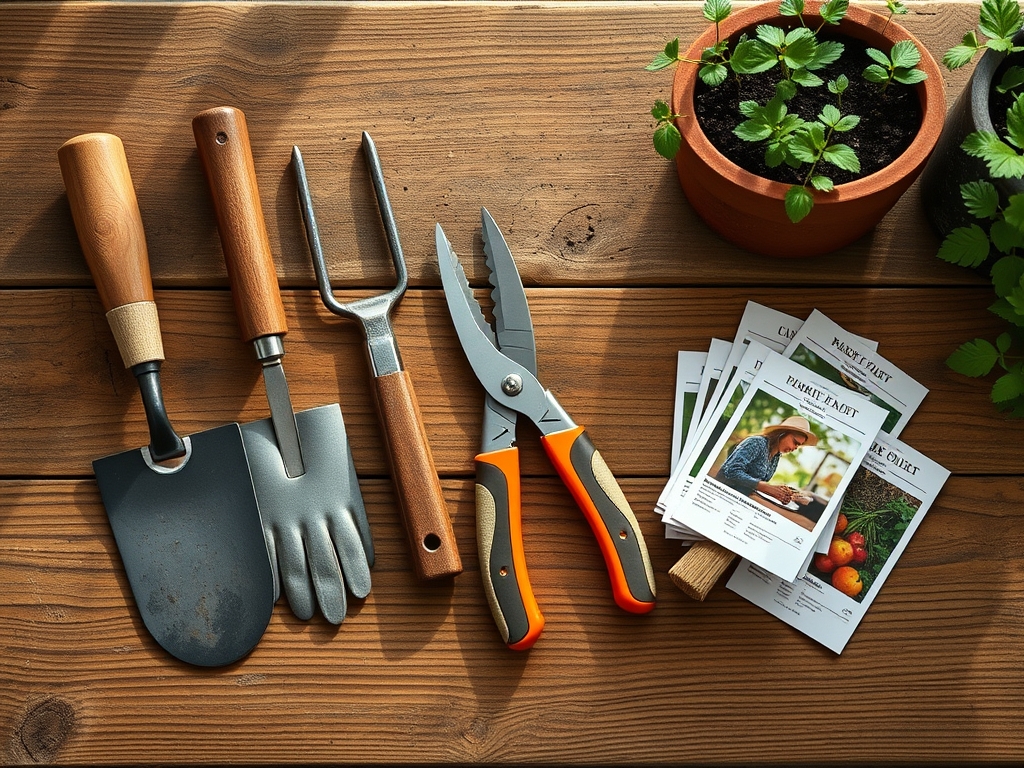
Select a pressure washer rated between 1,500 and 2,500 PSI for most garden furniture applications. Gas-powered units deliver consistent pressure for large projects, while electric models suit smaller decks and patios. Equip the machine with a 25-degree green nozzle for general cleaning and a 40-degree white nozzle for softwoods like cedar or pine. Never use a 0-degree red nozzle on furniture; the concentrated jet cuts through finish and fiber.
Prepare a cleaning solution with pH-neutral oxygen bleach at a 1:10 dilution ratio. Avoid chlorine bleach, which accelerates lignin breakdown in wood and promotes rust in ferrous metals. For hardwoods, add 2 tablespoons of trisodium phosphate per gallon to emulsify oil-based grime. Synthetic rattan and resin wicker tolerate mild dish soap at 1 ounce per gallon without surface dulling.
Gather safety equipment: chemical-resistant gloves rated for pH extremes, closed-toe boots with non-slip soles, and ANSI Z87.1-compliant eye protection. The recoil force from a pressure washer wand exceeds 50 pounds at full throttle, requiring firm two-handed grip control.
Timing
Schedule pressure washing during late spring in Hardiness Zones 6 through 9, after the last frost date when daytime temperatures stabilize above 55 degrees Fahrenheit. Wood fibers open at this temperature range, allowing detergent penetration and efficient rinsing. Avoid washing during active pollen dispersal periods; sticky pollen grains bond to wet surfaces and require additional scrubbing.
In Zone 10 and warmer, wash furniture in early March before afternoon humidity climbs above 70 percent. High humidity slows drying time, creating conditions favorable for opportunistic mold colonization on freshly cleaned surfaces. Coastal regions benefit from washing during outgoing tide cycles when salt aerosol concentration drops.
Check weather forecasts for a 48-hour dry window post-wash. Rain within 24 hours reintroduces contaminants and leaches protective oils from untreated wood, compromising the cleaning investment.
Phases

Pre-Wash Assessment
Inspect furniture for loose joints, cracked slats, and compromised fasteners. Pressure washing amplifies stress on weakened connections; tighten screws and replace split boards before water contact. Test pressure on an inconspicuous area, holding the nozzle 18 inches from the surface. Hardwoods like teak and ipe tolerate 2,200 PSI at 12 inches, while softwoods require 1,500 PSI at 24 inches.
Apply detergent from bottom to top using a low-pressure soap nozzle, allowing 10 minutes of dwell time. The solution's surfactants break hydrogen bonds between contaminants and substrate, reducing mechanical abrasion requirements.
Pro-Tip: Spray furniture legs and undercarriages first. Gravity pulls dissolved grime downward; pre-treating lower sections prevents recontamination of upper surfaces during rinse cycles.
Active Washing
Switch to the appropriate pressure nozzle and begin rinsing from top to bottom, maintaining consistent nozzle distance and overlapping each pass by 6 inches. Move the wand with the wood grain, never across it, to avoid raising fibers and creating splinter zones. Keep the spray angle between 30 and 45 degrees to the surface; perpendicular jets drive water into joints and accelerate rot.
For metal furniture, reduce pressure to 1,800 PSI and increase distance to 24 inches. Ferrous metals develop flash rust when surface oxide layers erode; immediate application of phosphoric acid rust converter neutralizes this reaction within 15 minutes.
Pro-Tip: Rinse aluminum furniture with distilled water for the final pass. Municipal water's dissolved minerals leave white calcification spots that require secondary acid treatment to remove.
Post-Wash Conditioning
Elevate furniture on concrete blocks to promote air circulation beneath seat pans and table aprons. Position pieces in partial shade; direct sunlight causes uneven drying and surface checking in wood. Allow 48 to 72 hours of drying time before applying sealants or oils.
Sand raised wood grain with 120-grit aluminum oxide paper, working parallel to growth rings. This step removes loosened cellulose fibers that create rough texture after pressure washing. Vacuum dust with a HEPA-filter shop vacuum before finishing applications.
Pro-Tip: Apply boiled linseed oil to teak and mahogany within 72 hours of washing. The open grain structure maximizes oil absorption, enhancing UV resistance and reducing moisture cycling stress.
Troubleshooting
Symptom: Fuzzy, raised wood grain after drying.
Solution: Sand with 150-grit paper at 45-degree angles to grain direction, then finish with 220-grit parallel passes. Apply grain filler before staining to achieve smooth topcoat adhesion.
Symptom: White oxidation streaks on aluminum frames.
Solution: Wipe with white vinegar at full strength using microfiber cloth. The acetic acid dissolves alkaline mineral deposits without etching the anodized surface layer.
Symptom: Water pooling in recessed screw holes and mortise joints.
Solution: Invert furniture and tap joints with rubber mallet to dislodge trapped water. Drill 1/8-inch weep holes at low points of sealed cavities to prevent anaerobic rot development.
Symptom: Persistent green algae staining in wood pores.
Solution: Apply oxalic acid wood bleach at 4-ounce crystals per quart of hot water. Scrub with natural bristle brush, rinse after 20 minutes, then neutralize with baking soda solution (2 tablespoons per quart).
Symptom: Splintered edges on softwood chair legs.
Solution: Excessive pressure or incorrect nozzle angle caused fiber separation. Sand damaged areas to solid wood, apply epoxy wood filler, and reduce PSI by 500 units for future maintenance.
Maintenance
Pressure wash garden furniture annually in temperate zones, biannually in coastal or high-humidity regions where salt spray and fungal spores accelerate surface degradation. Between deep cleanings, rinse furniture monthly with garden hose pressure (40 to 60 PSI) to remove pollen and dust accumulation.
Apply penetrating oil finishes every 18 months to hardwoods, maintaining a film thickness of 3 to 4 mils measured with a wet film comb. Oil-based sealants provide superior moisture barrier compared to water-based alternatives, reducing expansion-contraction cycling by 40 percent in laboratory salt-fog tests.
Store cushions and fabric components indoors during pressure washing operations. Overspray creates saturation beyond fabric drain capacity, promoting mildew growth in foam cores. Wash removable covers separately using front-loading machines on gentle cycle with cold water and pH-neutral detergent.
Inspect high-contact zones like armrests and seat fronts quarterly for finish erosion. These areas experience elevated mechanical wear and benefit from spot refinishing rather than full-furniture treatment. Feather new finish into existing coating using 320-grit wet-dry sandpaper to blend transition zones.
FAQ
How far should I hold the pressure washer nozzle from furniture?
Maintain 12 to 18 inches for hardwoods at 2,000 PSI, and 24 inches for softwoods at 1,500 PSI. Test on hidden areas first.
Can I pressure wash painted metal furniture?
Yes, at 1,500 PSI maximum with a 40-degree nozzle held 24 inches away. Higher pressure chips paint and exposes bare metal to corrosion.
Should I seal furniture immediately after washing?
No. Allow 48 to 72 hours of drying time. Applying sealant to damp wood traps moisture and accelerates internal decay.
What temperature water works best?
Cold tap water (50 to 70 degrees Fahrenheit) prevents thermal shock in wood and avoids activating tannins that cause brown staining.
How do I prevent mold return after cleaning?
Apply fungicidal sealant containing zinc or copper compounds. These biocides inhibit spore germination for 12 to 18 months under typical outdoor conditions.