9 Steps to Oil Metal Surfaces to Prevent Winter Rust
Cold air settles into the barn each November, carrying moisture that attacks every exposed hinge, chain, and blade. Rust begins as microscopic oxidation, then spreads like rot through neglected tool collections and garden equipment. The solution lies in systematic protection through oil barriers, and following precise steps for oiling metal surfaces to prevent rust transforms vulnerable steel into winter-hardened implements that outlast decades of freeze-thaw cycles.
Materials
Select oils based on viscosity and film-forming capacity. Light machine oil (3-in-1 type) penetrates fine threads and pivot points. Boiled linseed oil creates durable films on larger surfaces like shovel blades and hoe faces. Motor oil (10W-30) works for chain drives and exposed gears. Avoid vegetable oils; their fatty acid chains oxidize and turn rancid, attracting moisture rather than repelling it.
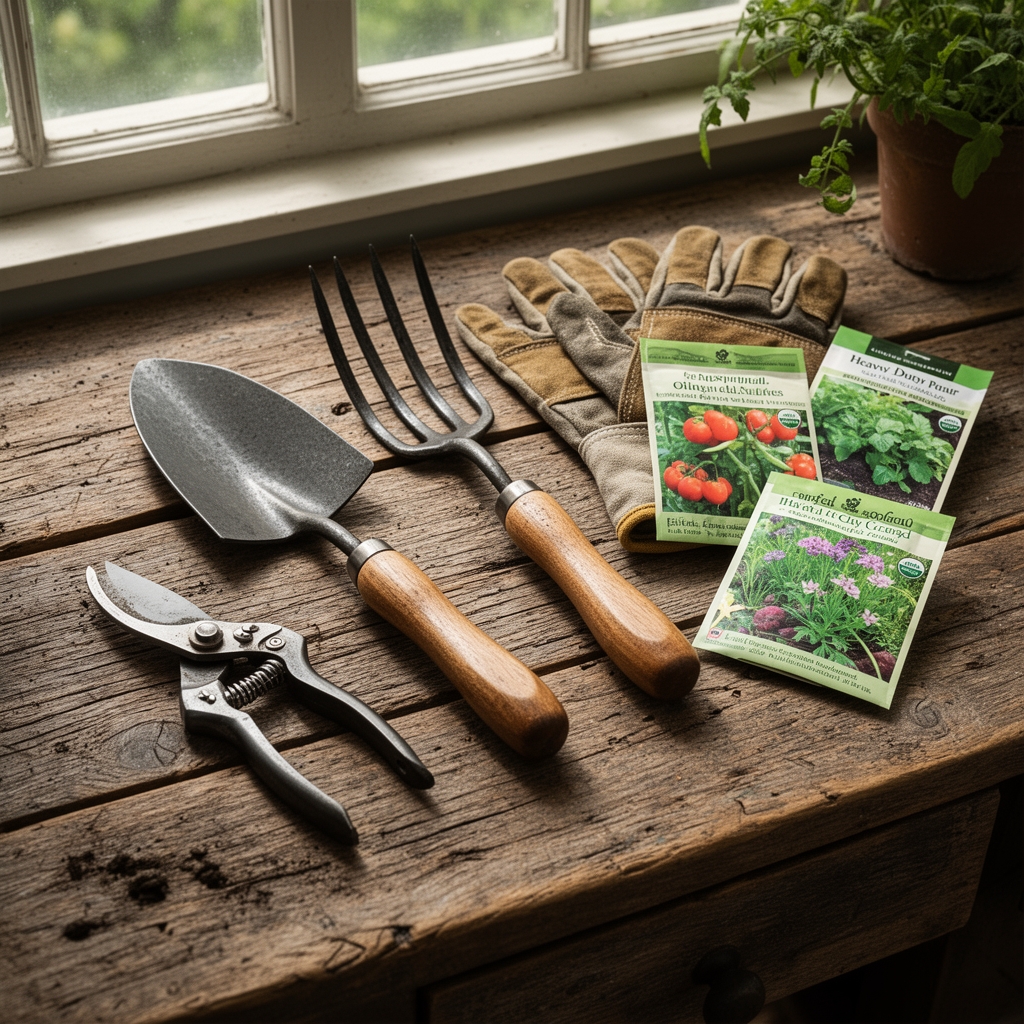
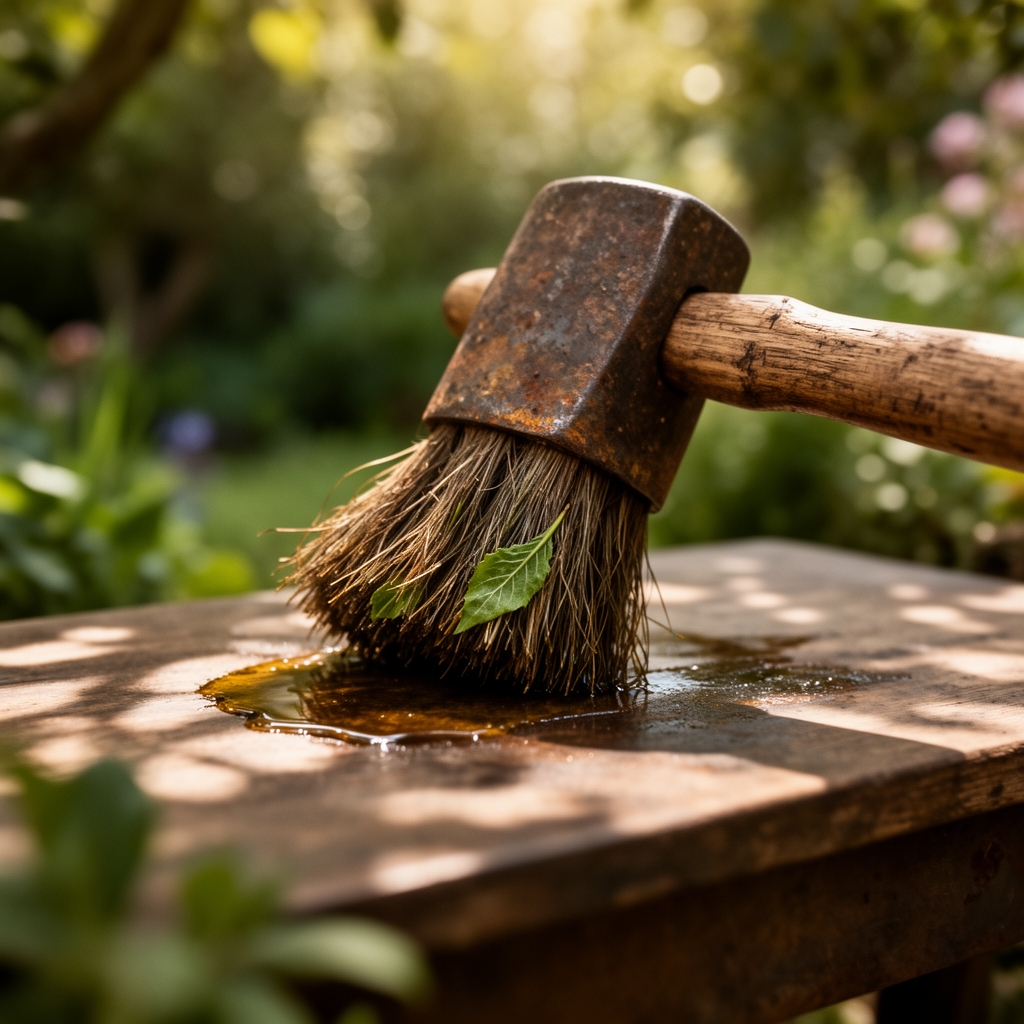
Gather clean rags (cotton flannel works best), wire brushes with 0.012-inch bristle diameter, and medium-grit abrasive pads (120-180 grit). Keep mineral spirits for degreasing and a small artist's brush for intricate mechanisms. Store materials in a container with desiccant packets to prevent moisture contamination during winter storage.
Timing
Begin surface preparation when daytime temperatures remain above 45°F for three consecutive days. Oil penetrates cold metal poorly; molecular flow resistance increases exponentially below 40°F. In Zone 5 and colder, complete all rust prevention work by mid-October. Zone 6 gardeners have until early November. Zone 7 and warmer climates can extend work into late November, though earlier application allows full curing before hard freezes.
Check relative humidity before starting. Ideal conditions measure between 30-50% humidity. Higher moisture levels trap water beneath oil films, accelerating corrosion rather than preventing it. Choose dry, sunny afternoons when metal surfaces have warmed naturally.
Phases

Surface Preparation
Remove all visible rust with wire brushes, working in overlapping strokes at 45-degree angles to expose clean metal. Rust penetrates through grain boundaries in steel; surface removal alone leaves corrosion nuclei embedded in the crystalline matrix. Follow brushing with abrasive pad work, using circular motions to create micro-scratches that increase oil adhesion surface area by 40-60%.
Degrease with mineral spirits applied liberally. Old oil films contain oxidized compounds that interfere with fresh oil bonding. Wipe surfaces dry immediately; mineral spirits evaporate completely within 8-12 minutes at 50°F, leaving no residue that would compromise the protective layer.
Pro-Tip: Heat metal surfaces to 85-95°F using indirect sunlight or a heat gun set to low. Warm metal accepts oil into surface irregularities through improved capillary action, creating superior adhesion compared to room-temperature application.
Oil Application
Apply thin, even coats using lint-free rags folded into 4-inch squares. Thick oil layers never fully cure and attract dust particles that create abrasive pastes. Work oil into threads, springs, and joint interfaces where moisture accumulates first. Each coat should appear wet for 2-3 minutes, then absorb to a semi-matte finish.
For tools with wooden handles, stop oil application 1 inch from wood junctions. Oil wicks into wood grain, softening lignin bonds and weakening handle integrity. Use separate beeswax-based compounds for wood protection.
Apply second coats after 24 hours. The first layer seals major porosity; the second layer addresses micro-channels exposed after initial absorption. Two thin coats outperform single thick applications by preventing trapped moisture pockets.
Pro-Tip: Add 5-7% paraffin wax (melted and stirred thoroughly) to linseed oil for blades stored outdoors. The wax component increases water-shedding capacity and extends protection duration from 4 months to 7 months.
Final Curing
Allow 72 hours minimum for oil polymerization before storage. Linseed oil requires oxygen exposure to cross-link; premature storage in enclosed spaces yields sticky, uncured surfaces. Hang tools vertically during curing to prevent pooling on horizontal surfaces.
Store treated items in low-humidity environments. Even perfect oil films lose effectiveness above 70% relative humidity. Silica gel packets (100 grams per cubic foot of storage space) maintain optimal conditions.
Pro-Tip: Apply lanolin-based rust inhibitors to items stored in unheated sheds. Lanolin remains effective to -15°F, while petroleum oils thicken and lose protective qualities below 10°F.
Troubleshooting
Symptom: Orange-brown staining appears within 3-4 weeks of treatment.
Solution: Incomplete rust removal before oiling. Strip surface completely using phosphoric acid-based rust converters, rinse thoroughly, dry for 48 hours, then re-oil.
Symptom: Oil feels sticky or tacky after one week.
Solution: Application in humid conditions trapped moisture. Remove with mineral spirits, allow metal to reach ambient temperature indoors for 24 hours, then reapply during low-humidity window.
Symptom: White crystalline deposits form at metal joints.
Solution: Salt contamination from hand contact or coastal air exposure. Dissolve deposits with distilled water, dry completely, wear nitrile gloves during reapplication to prevent salt transfer from skin.
Symptom: Dark streaks radiate from wooden handles.
Solution: Excessive oil migration into wood. Sand affected areas to bare wood, seal with shellac, maintain 1-inch buffer zone during future oil applications.
Maintenance
Inspect stored items monthly from December through March. Wipe surfaces with clean rags; this mechanical action redistributes oil and removes condensation. Reapply light coats if metal shows dull, dry patches, particularly after prolonged cold snaps below 0°F that cause oil to contract and crack.
Spring cleaning requires complete oil removal before use. Mineral spirits dissolve protective films in 3-5 minutes of wiping. Allow tools to air-dry 20 minutes before soil contact to prevent solvent damage to beneficial soil bacteria and mycorrhizal fungi networks.
FAQ
How often should I oil garden tools during winter storage?
Once before storage, with monthly inspections and spot treatments as needed. Properly applied oil lasts 4-6 months in controlled environments.
Can I use cooking oil for rust prevention?
No. Cooking oils oxidize rapidly and turn rancid, creating sticky residues that attract moisture and accelerate corrosion.
What temperature is too cold for oil application?
Below 45°F, oil viscosity increases and penetration decreases. Optimal application occurs between 60-75°F.
Do stainless steel tools need oiling?
Stainless grades below 316 benefit from light oiling. The chromium oxide layer provides base protection, but oil prevents pitting in chloride-rich environments.
How do I remove rust that develops despite oiling?
Use naval jelly (phosphoric acid formulation), apply for 10 minutes, scrub with brass brushes, neutralize with baking soda solution, rinse, dry completely, then re-oil within 2 hours.