7 Best Telescoping Pruners for High Tree Branches
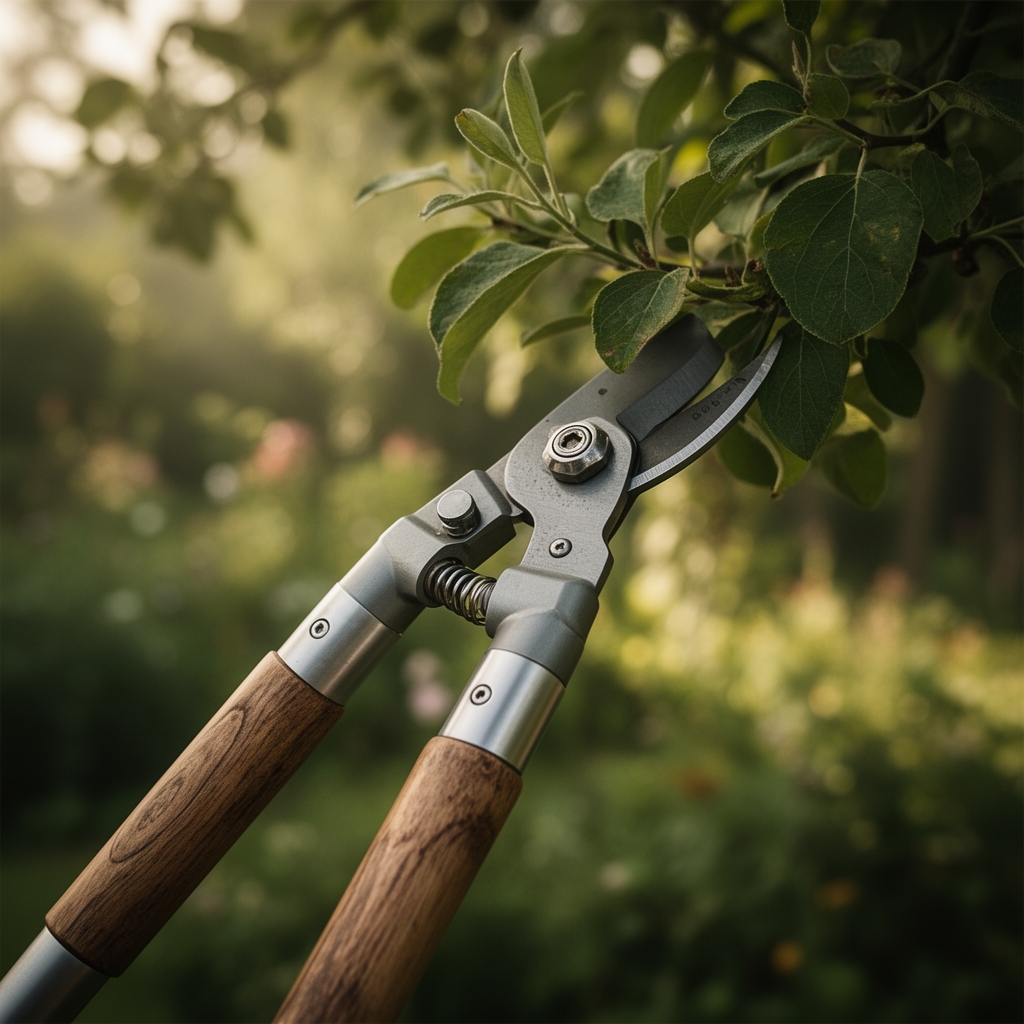
Reaching branches twenty feet overhead with standard hand pruners forces dangerous ladder work and risks branch tear. Professional arborists and home orchardists rely on the best telescoping pruners for high tree branches to cut cleanly from ground level, eliminating fall hazards while maintaining proper cut angles that promote rapid wound closure. These tools extend from eight to twenty feet, delivering precise cuts on stems up to two inches in diameter without compromising the cambium layer.
Materials
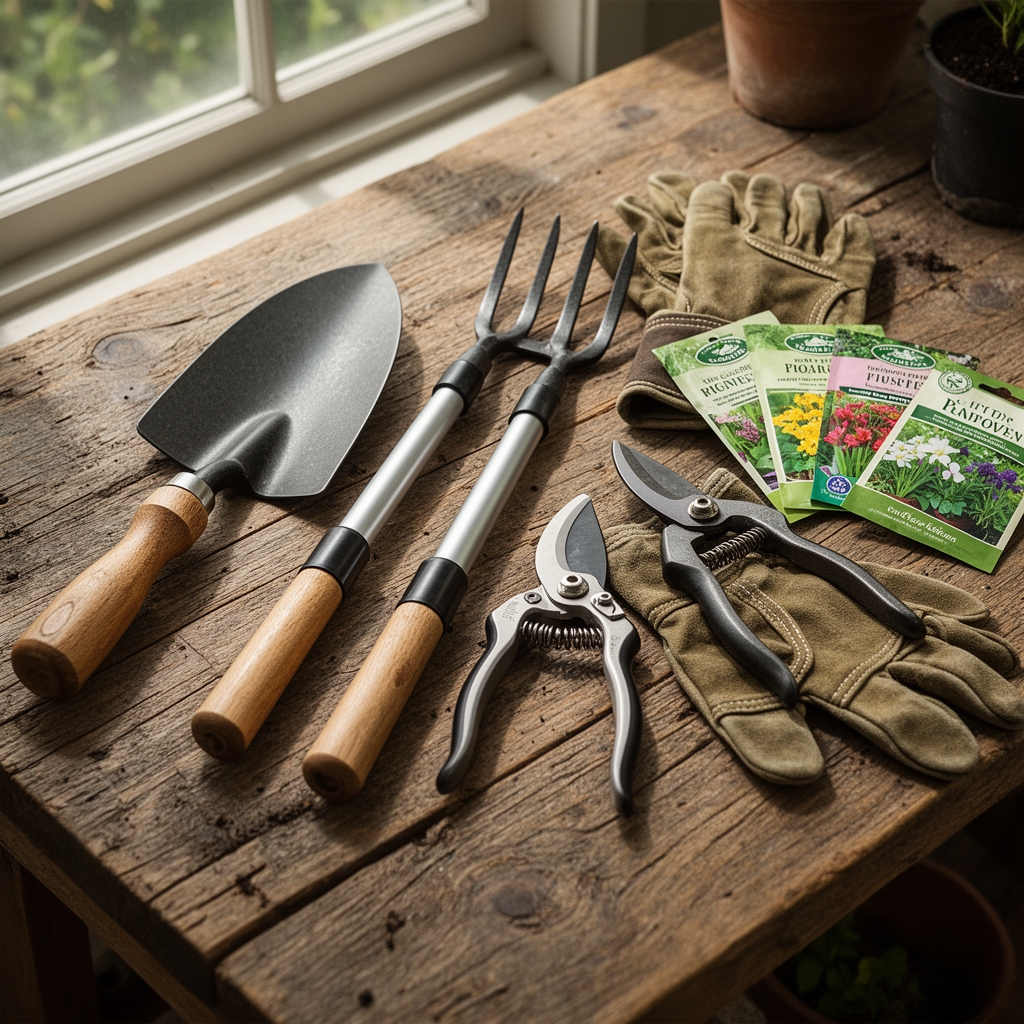
Seven models dominate the professional and residential markets, each engineered for specific branch diameters and reach requirements.
Fiskars 92406 Chain Drive Extendable Pole Pruner features a 15-foot maximum reach with a compound cutting mechanism rated for 1.25-inch branches. The steel construction weighs 4.2 pounds, allowing extended overhead work without excessive fatigue. The chain-drive system multiplies force by a 3:1 ratio.
Corona TP 6870 Dual Compound Action Tree Pruner reaches 18 feet and cuts branches up to 1.5 inches. Its dual pulley design reduces required pull force by 40 percent compared to single-action models. The PowerStroke cutting head positions blades at a 45-degree angle for optimal auxin distribution preservation.
Jameson FG-6PKG Fiberglass Pole Pruner Package extends to 18 feet using six-foot sections. Fiberglass construction provides electrical insulation rated to 100,000 volts, critical near utility lines. The replaceable blade head cuts 1.25-inch stems with a bypass action that minimizes cambium crushing.
Silky Hayauchi 21-Foot Professional Pole Saw incorporates both pruning shears and a curved saw blade. The telescoping pole locks at eight positions between 8.2 and 21 feet. Japanese steel blades maintain edge retention through 300 cuts in hardwood species. Weight distribution keeps the center of gravity within 18 inches of the grip.
Docazoo DocaPole 24-Foot Extension Pole with pruning attachment reaches the tallest residential trees. The anodized aluminum construction weighs 3.1 pounds at full extension. The universal threading accepts multiple cutting head styles, from anvil pruners for dead wood to bypass heads for living tissue.
Felco 620 UltraLight Pruner combines carbon fiber poles with Swiss-engineered cutting heads. Maximum reach of 16 feet comes with a total weight of 2.8 pounds. The cutting head rotates 270 degrees, allowing proper angle maintenance on irregular branch structures.
ARS TP-LongReach Telescopic Pruner features a cam-action multiplier and extends to 13.5 feet. The pruning head cuts branches up to 2 inches in diameter through a ratcheting mechanism that completes cuts in three strokes. This reduces bark tearing on dense species like oak and hickory.
Selection criteria include maximum branch diameter, pole material affecting electrical safety, and cutting mechanism matching the user's upper body strength. Bypass systems work best on living tissue, preserving vascular integrity. Anvil designs suit deadwood removal where crushing is acceptable.
Timing
Tree pruning windows align with dormancy cycles and sap flow patterns across hardiness zones. Zone 3-5 orchardists prune from late February through mid-March, after the coldest temperatures but before bud break. Zones 6-7 allow pruning from January through early March. Zones 8-10 require attention to species-specific dormancy, typically December through February for deciduous varieties.
Summer pruning occurs in late July through August for controlling vegetative growth. This timing reduces carbohydrate reserves stored in root systems, limiting excessive shoot proliferation. Stone fruits require pruning only during active growth to prevent cytospora canker infection through dormant-season wounds.
Avoid pruning during leaf expansion in April and May. Nutrient reserves flow from roots to developing foliage, and branch removal during this phase depletes stored energy needed for fruit production.
Phases

Initial Assessment and Tool Setup
Inspect the tree from multiple angles before extension. Identify crossing branches, water sprouts growing vertically from lateral limbs, and deadwood. Mark branches requiring removal with biodegradable tape visible from ground level. Extend the pruner to required length and lock sections firmly. Test the cutting mechanism with five practice closures before elevating.
Pro-Tip: Apply 0.2 ounces of food-grade mineral oil to pivot points every four hours of use. This maintains cutting force efficiency and prevents binding during overhead work.
Executing Proper Cuts
Position the cutting head 0.25 inches beyond the branch collar, the swollen area where branch tissue meets trunk. Avoid cutting into the collar. This zone contains concentrated auxin gradients and wound-sealing compounds. Angle the blade perpendicular to branch growth direction. For branches over 1.5 inches, make an undercut first to prevent bark stripping as the branch falls.
Pull the cutting rope or squeeze the handle mechanism with steady pressure. Jerking motions cause blade deflection and ragged cuts. Remove the severed branch immediately to assess cut quality. A clean cut shows concentric growth rings without torn fibers.
Pro-Tip: Schedule pruning for morning hours when wood cells maintain maximum turgor pressure. Afternoon pruning in hot weather increases tearing risk by 30 percent due to reduced cellular moisture.
Post-Pruning Treatment
Large cuts exceeding 2 inches benefit from wound dressing only in regions with high fungal pressure. Apply copper-based fungicide at 0.05 percent concentration to exposed cambium in humid zones 8-10. Zones 3-7 with low summer humidity require no treatment. Natural wound closure proceeds faster without sealants in dry climates.
Collect pruned material and inspect for pest galleries, cankers, or discoloration indicating disease. Chip healthy wood for mulch or dispose of infected material through municipal green waste programs. Do not compost diseased branches.
Pro-Tip: Sterilize pruning blades between trees using 70 percent isopropyl alcohol spray. Fifteen-second contact time eliminates 99.7 percent of bacterial and fungal pathogens that cause fire blight and anthracnose.
Troubleshooting
Symptom: Ragged cuts with torn bark strips extending down the trunk.
Solution: Sharpen bypass blades to 35-degree bevel angles using 400-grit diamond files. Replace anvil surfaces showing compression dimples. Reduce cutting diameter by 0.25 inches below rated capacity for hardwoods like maple and ash.
Symptom: Pruner head twists during cuts, resulting in angled wounds.
Solution: Tighten locking collars on telescoping sections to 12 inch-pounds using a torque wrench. Replace worn nylon bushings in the cutting head pivot. Orient the pruner so cutting force pulls directly toward the operator rather than at oblique angles.
Symptom: Excessive effort required to close cutting mechanism.
Solution: Verify blade alignment by closing the head slowly and watching for edge contact along the full length. Adjust tension bolts in 0.25-turn increments. Apply lithium grease to cable pulleys in rope-operated models. Replace stretched cables showing 5 percent length increase.
Symptom: Branch stubs longer than 0.5 inches remain after cutting.
Solution: Position the cutting head closer to the branch collar. Practice depth perception by placing ground-level markers directly under target branches. Use models with depth guides or laser alignment systems for consistent collar cuts.
Symptom: Aluminum poles develop stress cracks near locking mechanisms.
Solution: Extend poles only to lengths required for specific cuts. Full extension increases lateral stress by 400 percent compared to mid-range lengths. Replace sections showing surface oxidation or white stress marks. Switch to fiberglass poles for routine work above 14 feet.
Maintenance
Clean cutting blades after each use with soap and water, then dry immediately. Apply 3-in-1 oil to pivot points and springs. Telescoping poles require cleaning when dirt accumulates in locking mechanisms. Flush sections with water and compressed air at 40 PSI. Store poles horizontally on padded racks to prevent warping. Vertical storage bends poles over time through gravitational stress.
Sharpen bypass blades every 20 hours of cutting time. Maintain the factory bevel angle using guided sharpening systems. Anvil surfaces require replacement when dimples exceed 0.030 inches depth, measured with calipers. Replace cutting ropes annually regardless of visible wear. UV degradation reduces tensile strength by 25 percent per season.
Inspect locking collars for crack propagation before each use. Apply threadlock compound to adjustment screws preventing collar loosening during operation. Test full extension under no-load conditions monthly. Poles failing to lock indicate worn detent mechanisms requiring replacement.
Lubricate chain-drive systems with dry PTFE lubricant rather than oil-based products. Oil attracts sawdust that binds chain links. Graphite powder works for environments below 20 degrees where PTFE stiffens.
FAQ
What maximum branch diameter can telescoping pruners handle effectively?
Most residential models cut 1.25 to 1.5-inch branches. Professional units reach 2 inches. Attempting larger diameters causes blade deflection and incomplete cuts. Use pole saws for branches exceeding pruner capacity.
How do bypass and anvil cutting mechanisms differ functionally?
Bypass blades pass each other like scissors, creating clean cuts on living tissue with minimal cambium damage. Anvil pruners crush branches against a flat surface, suitable only for dead wood where cell crushing does not impede healing.
What pole material provides the best strength-to-weight ratio?
Carbon fiber delivers superior ratios but costs 300 percent more than fiberglass. Aluminum offers adequate strength at moderate weight for residential use. Fiberglass balances cost, weight, and electrical insulation for utility line proximity.
Should wound dressings be applied to pruning cuts?
Research shows wound dressings slow natural healing in most climates. Apply copper fungicides only in humid zones 9-10 where fungal infection risk exceeds 40 percent. Dry climates require no treatment.
How often should pruning blade sharpness be assessed?
Test sharpness every 3 hours of cutting by slicing printer paper. Blades requiring more than light pressure need sharpening. Dull blades increase required cutting force by 60 percent and triple bark tearing incidents.