7 Essential Tips for Preparing a Cold Frame: Grow Fresh Winter Greens in the Frost
Frost feathers the edges of greenhouse glass at dawn, and the soil beneath your cold frame holds a damp, mineral tang that promises life even as the thermometer drops. While neighbors stack their hoes in the shed, you can harvest kale, spinach, and claytonia through January if you know how to prepare a cold frame for winter greens. This protective microclimate extends your season by 6 to 10 weeks when positioned correctly and stocked with the right cultivars. The difference between wilted failure and crisp, frost-sweetened leaves comes down to seven battle-tested techniques.
Materials & Supplies
Structure & Hardware
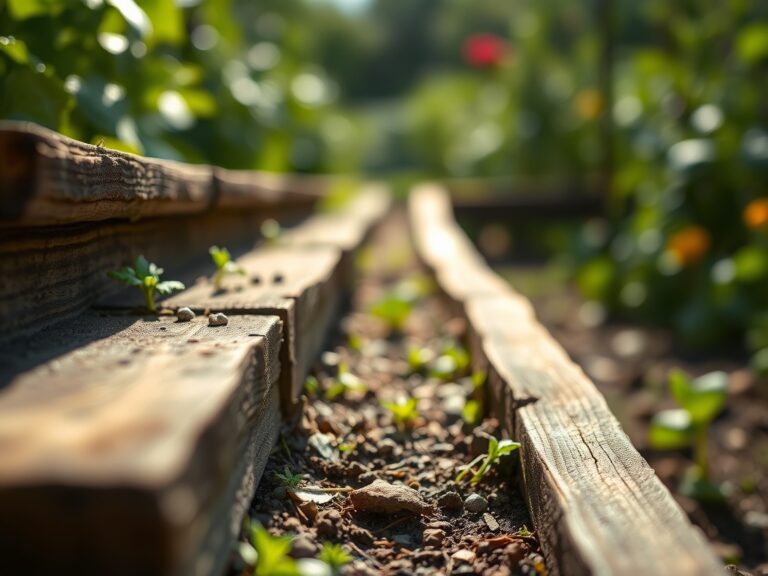
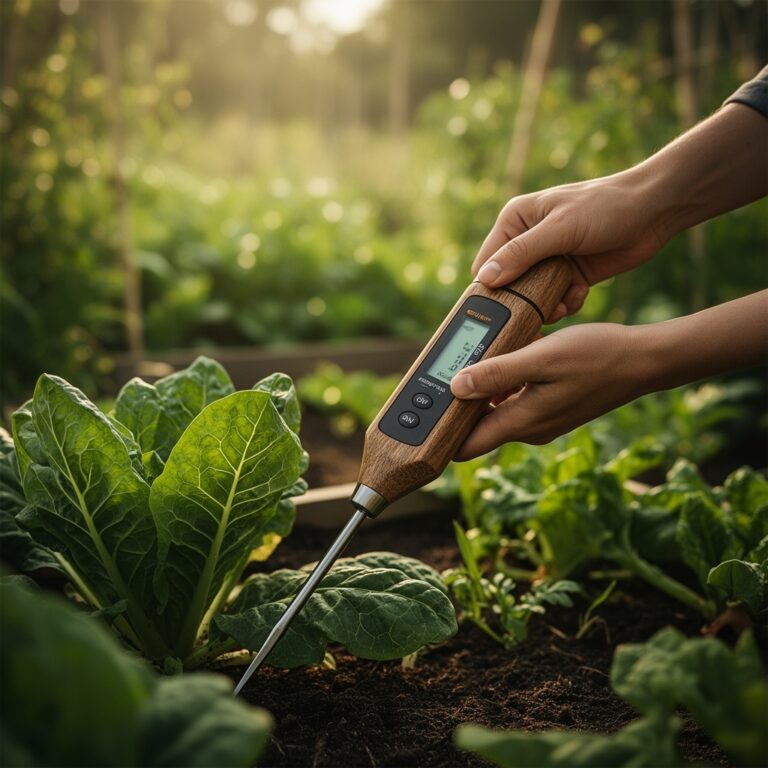
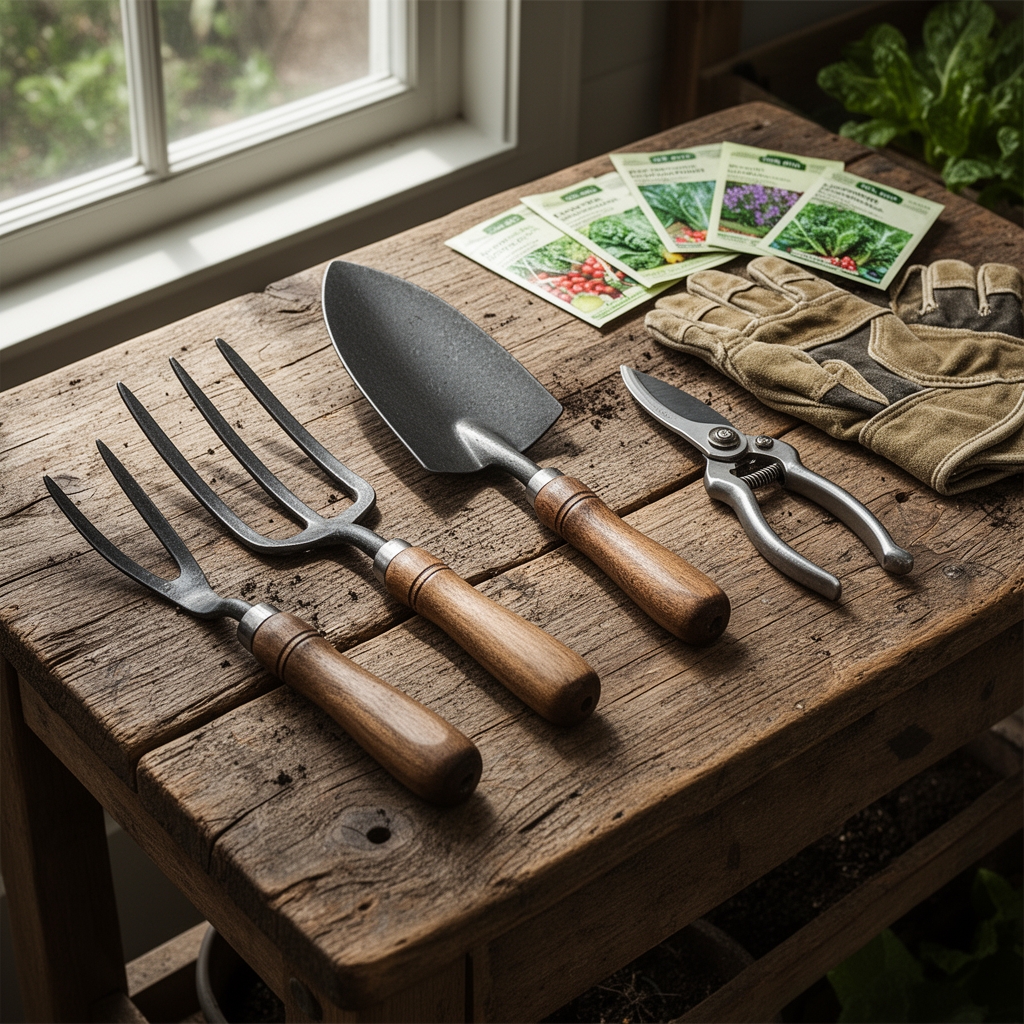
A functional cold frame demands a south-facing orientation, transparent lid (polycarbonate or glass), and insulated sides. Use 2-inch rigid foam board for north and east walls if ambient temperatures dip below 20°F. Install a soil thermometer to monitor root-zone temperatures, which must stay above 28°F for sustained growth.
Soil Amendments
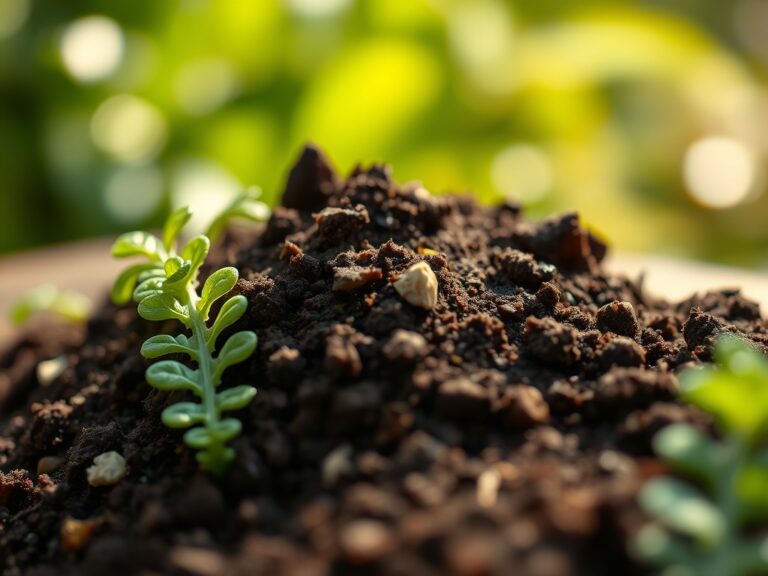
Start with a base pH of 6.2 to 6.8. Winter greens tolerate slight acidity but falter in alkaline conditions. Incorporate compost at a 2:1 ratio (native soil to aged compost) to improve tilth and water retention. Apply a balanced organic fertilizer rated 5-10-5 NPK at 2 pounds per 100 square feet before planting. The elevated phosphorus supports root development in cold soil.
Seeds & Transplants
Select cold-hardy varieties: 'Winterbor' kale (55 days to maturity), 'Bloomsdale' spinach (48 days), 'Claytonia' (miner's lettuce, 40 days), and 'Winter Density' lettuce (60 days). Purchase from suppliers who list germination rates above 85 percent.
Tools
Keep a hand cultivator, watering can with rose attachment, row cover fabric (0.5 oz/sq yd), and a max-min thermometer within arm's reach.
Timing & Growing Schedule
Hardiness Zones
Cold frames perform best in USDA Zones 5 through 8. Zone 4 gardeners need double-walled frames or supplemental insulation. Zone 9 and warmer rarely justify the effort; focus on shade structures instead.
Seed-Starting Windows
Direct-sow seeds 8 to 10 weeks before your first hard freeze (28°F or lower). For Zone 6, that means late August through mid-September. Transplants started indoors move to the frame 4 weeks before frost. This timing allows roots to establish while soil retains summer warmth.
Days to Maturity
Calculate backwards from your target harvest date. Kale requires 55 to 65 days, spinach 40 to 50 days. Add 14 days to listed maturity times; cold slows photosynthesis by roughly 30 percent compared to summer growth rates.
Step-by-Step Instructions
Phase 1: Sowing
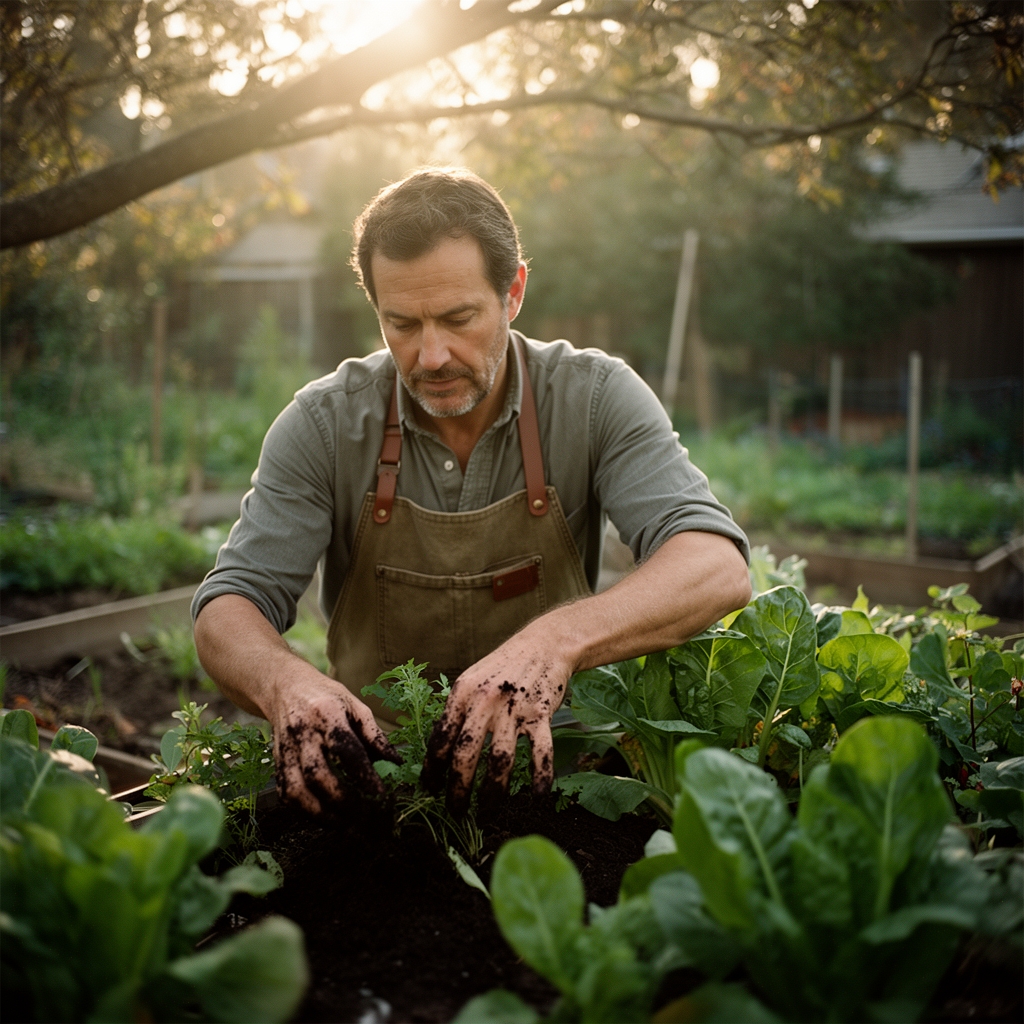
Loosen soil to 8 inches deep using a broadfork. Remove rocks and debris. Broadcast seeds at half the density recommended for spring planting; winter greens grow slower and denser. Cover seeds with 1/4 inch of sifted compost. Water gently to settle seeds without washing them into clumps.
Pro Tip: Sprinkle mycorrhizal fungi inoculant in furrows before sowing. These symbionts colonize roots and improve phosphorus uptake, critical when cold soil slows nutrient availability.
Phase 2: Transplanting
Harden off indoor starts over 7 days by gradually exposing them to outdoor temperatures. Transplant on an overcast afternoon to minimize transplant shock. Space plants 6 inches apart for leafy greens, 8 inches for heading types. Press soil firmly around root balls to eliminate air pockets.
Pro Tip: Water transplants with a kelp-based solution diluted to half strength. The trace auxins stimulate root hair formation, anchoring plants before freeze events.
Phase 3: Establishing
Close the frame lid at night when temperatures drop below 40°F. Vent during sunny days if internal temps exceed 60°F; overheating causes bolting. Drape row cover over plants inside the frame when forecasts predict lows under 25°F. This double-layer system traps radiant heat near foliage.
Pro Tip: Place gallon jugs filled with water along the north wall. Water's high heat capacity moderates temperature swings, releasing stored warmth after sunset.
Nutritional & Environmental Benefits
Winter greens grown in cold frames concentrate sugars as a freeze-response mechanism. Kale harvested after frost contains 30 percent more vitamin C than summer crops. Spinach delivers iron, magnesium, and folate at peak levels when grown slowly in cool soil. One 4×4-foot frame yields 12 to 16 pounds of greens per season, replacing grocery-store produce shipped 1,500 miles on average.
Cold frames shelter overwintering beneficial insects. Mason bees hibernate in hollow plant stems inside frames. Ground beetles patrol the soil surface, consuming slug eggs through mild winter spells. This preserved predator population jumps into action earlier in spring, reducing pest pressure on subsequent crops.
Advanced Methods
Small-Space Adaptations
Mount a hinged cold frame on a south-facing balcony railing. Use 8-inch-deep containers filled with potting mix amended with perlite for drainage. Vertical space allows stacking of shallow flats for microgreens, doubling yield per square foot.
Organic & Permaculture Integration
Layer 3 inches of chopped autumn leaves beneath the soil line. As leaves decompose, they generate modest heat through microbial activity, raising root-zone temps by 2 to 4 degrees. This technique mimics forest-floor dynamics and feeds nitrogen fixation bacteria.
Extreme Season Extension
Install a thermostat-controlled soil heating cable set to 50°F for Zones 4 and colder. This 40-watt system uses less energy than a single incandescent bulb and prevents root damage during polar vortex events.
Troubleshooting
Symptom: Yellowing lower leaves with purple veins.
Solution: Phosphorus deficiency caused by cold soil. Side-dress with bone meal (0-10-0) at 1/4 cup per square foot.
Symptom: Damping-off at soil line; seedlings collapse overnight.
Solution: Fungal pathogen thrives in excess moisture. Increase ventilation, reduce watering frequency, and dust soil surface with cinnamon powder (natural fungicide).
Symptom: Bolting despite cool temperatures.
Solution: Frame overheated on sunny days. Install an automatic vent opener (wax-cylinder actuator) that triggers at 65°F.
Symptom: Slugs decimating seedlings.
Solution: Scatter crushed eggshells around plant bases. The calcium carbonate abrades soft slug bodies and adds slow-release calcium to soil.
Symptom: Stunted growth, pale leaves.
Solution: Nitrogen depletion. Water with compost tea (5:1 dilution) biweekly to restore soil biology.
Storage & Maintenance
Watering Protocol
Winter greens need 1 inch of water per week, combining precipitation and supplemental irrigation. Water in the morning so foliage dries before nightfall. Use a moisture meter to confirm the top 2 inches of soil dry slightly between waterings; soggy roots invite rot.
Feeding Schedule
Apply liquid fish emulsion (5-1-1 NPK) diluted to half strength every 3 weeks. Stop fertilizing 2 weeks before harvest to avoid excess nitrate accumulation in leaf tissue.
Post-Harvest Storage
Harvest outer leaves in the morning when sugar content peaks. Rinse gently and spin dry. Store unwashed greens in perforated bags in the crisper drawer. Properly handled winter greens keep 10 to 14 days, triple the lifespan of summer crops.
Frame Maintenance
Wipe condensation from the lid interior weekly to prevent drip damage to foliage. Lubricate hinges with vegetable oil before winter. Remove spent plants promptly to prevent disease carryover.
Success Blueprint
Master these seven steps (timing, soil prep, variety selection, insulation, venting, pest management, and consistent moisture) and you will harvest fresh greens through the coldest months. A well-prepared cold frame pays dividends in saved grocery bills, superior nutrition, and the satisfaction of defying winter's grip. Share your yields with elderly neighbors who can no longer garden; building food resilience starts at the hyperlocal level.
Expert FAQs
What is the ideal soil temperature for germinating winter greens in a cold frame?
Germination occurs between 45°F and 65°F. Use a soil thermometer at 2-inch depth. Temperatures below 40°F halt germination; above 70°F increases bolting risk.
How often should I vent a cold frame during winter?
Vent whenever internal temperature exceeds 60°F, typically on sunny days even when outdoor air stays below freezing. Unvented frames can reach 90°F, cooking tender greens.
Can I use a cold frame in Zone 9 or warmer?
Rarely beneficial. Focus on shade cloth structures instead. Winter temperatures in these zones stay mild enough for unprotected greens.
Which winter greens tolerate the most frost inside a cold frame?
Kale survives to 10°F, spinach to 15°F, and claytonia (miner's lettuce) to 20°F. Arugula and Asian greens tolerate brief dips to 25°F.
Do I need to add supplemental light to a cold frame?
No. Daylight through transparent lids provides sufficient photons. Winter's low-angle sun actually penetrates deeper into frames than summer's overhead rays.