7 Critical Steps on How to Prune Grapevines for Maximum Fruit Production This Season
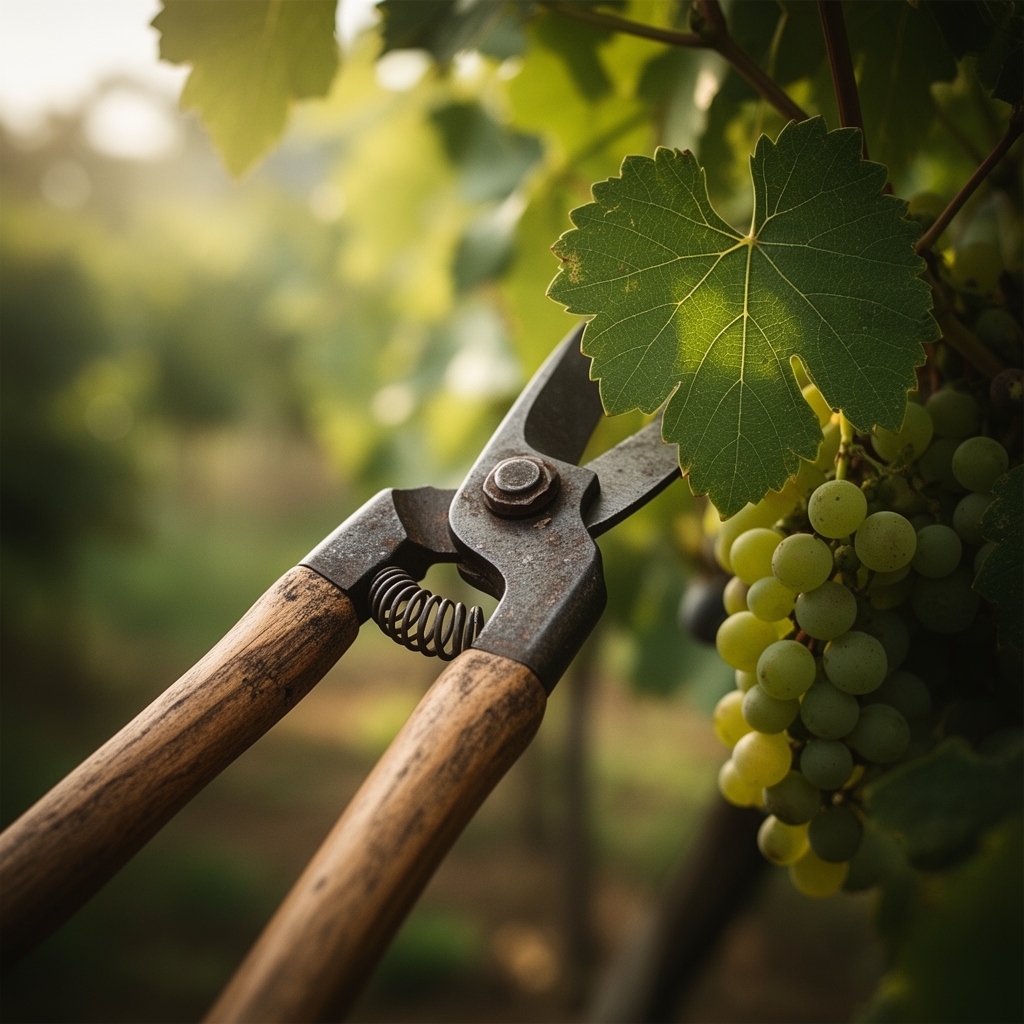
The snap of dormant canes under pruning shears releases a faint, sweet smell of tannins and fermenting sap. That sound signals winter's last hold on the vineyard. Mastering the steps for pruning grapevine for maximum fruit transforms tangled vines into structured, high-yielding producers. Every cut dictates next season's harvest, directing energy away from leafy chaos toward concentrated clusters of fruit.
Grapevines possess remarkable vigor. Left unpruned, they'll sprawl across arbors, producing masses of foliage but disappointingly small, sparse grape clusters. Strategic winter pruning forces the vine to channel stored carbohydrates into fewer, more productive buds. The result is larger berries, better sugar concentration, and disease resistance through improved air circulation. Understanding cane physiology separates amateur tinkering from professional-grade results.
Materials & Supplies
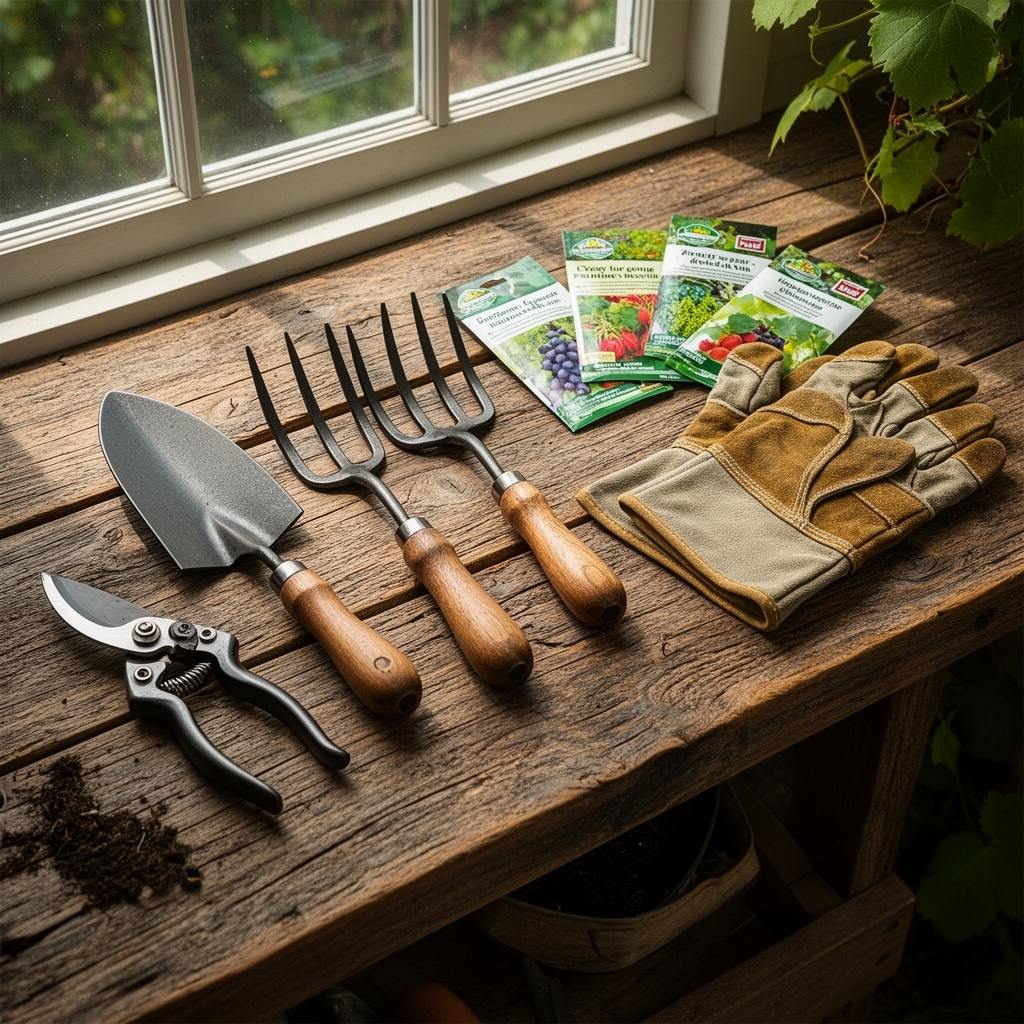
Cutting Tools:
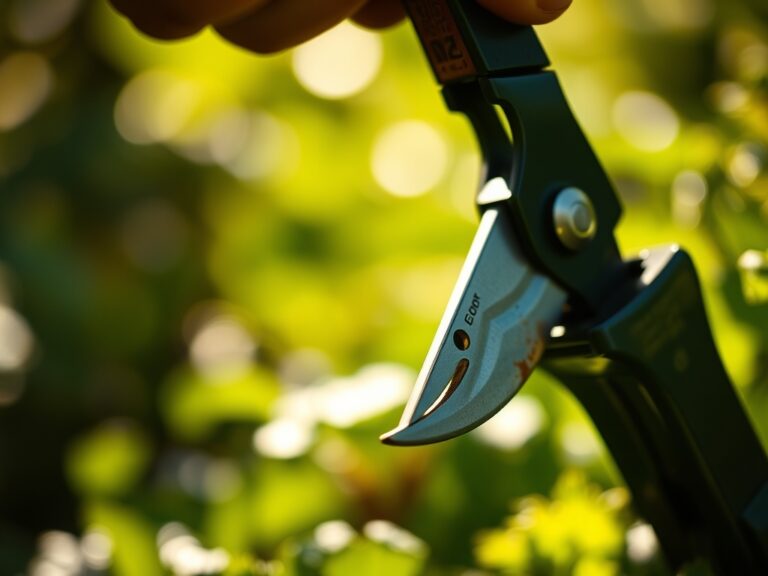
- Bypass pruners (Felco #2 or equivalent) for cuts up to 0.75 inches
- Loppers with 24-inch handles for canes 0.75 to 1.5 inches
- Pruning saw for trunk work exceeding 1.5 inches
- Sharpening stone (800-grit minimum)
Sanitation Supplies:
- 70% isopropyl alcohol or 10% bleach solution
- Microfiber cloths for blade cleaning between vines
Soil Amendments (for post-pruning feeding):
- Balanced fertilizer (5-10-10 NPK formula)
- Compost aged 12+ months
- Gypsum (calcium sulfate) for pH adjustment in alkaline soils above 7.0
- Mycorrhizal fungi inoculant for root colonization
Training Materials:
- 14-gauge galvanized wire for trellis support
- Biodegradable twine (avoid synthetic, which girdles canes)
Timing & Growing Schedule
Grapevine pruning timing hinges on dormancy, not calendar dates. Prune when vines have dropped all leaves and sap flow has ceased completely, typically late January through March in USDA Hardiness Zones 6-9. In Zone 5, wait until late February to avoid extreme cold damage to fresh cuts. Zones 10-11 should prune in late December when cooler night temperatures signal rest.
Critical Temperature Windows:
- Begin pruning after 30+ consecutive days below 50°F nighttime temperatures
- Complete all cuts at least three weeks before average last frost
- Avoid pruning when temperatures drop below 25°F (wood becomes brittle and splits)
From pruning to first harvest, expect 150 to 180 days depending on variety. Early-season grapes (Himrod, Marquis) mature in 100 to 120 days post-bud break. Late varieties (Concord, Norton) require 140 to 160 days. Factor this timeline when planning summer irrigation and bird netting installation.
Step-by-Step Instructions
Step 1: Assess the Vine Structure
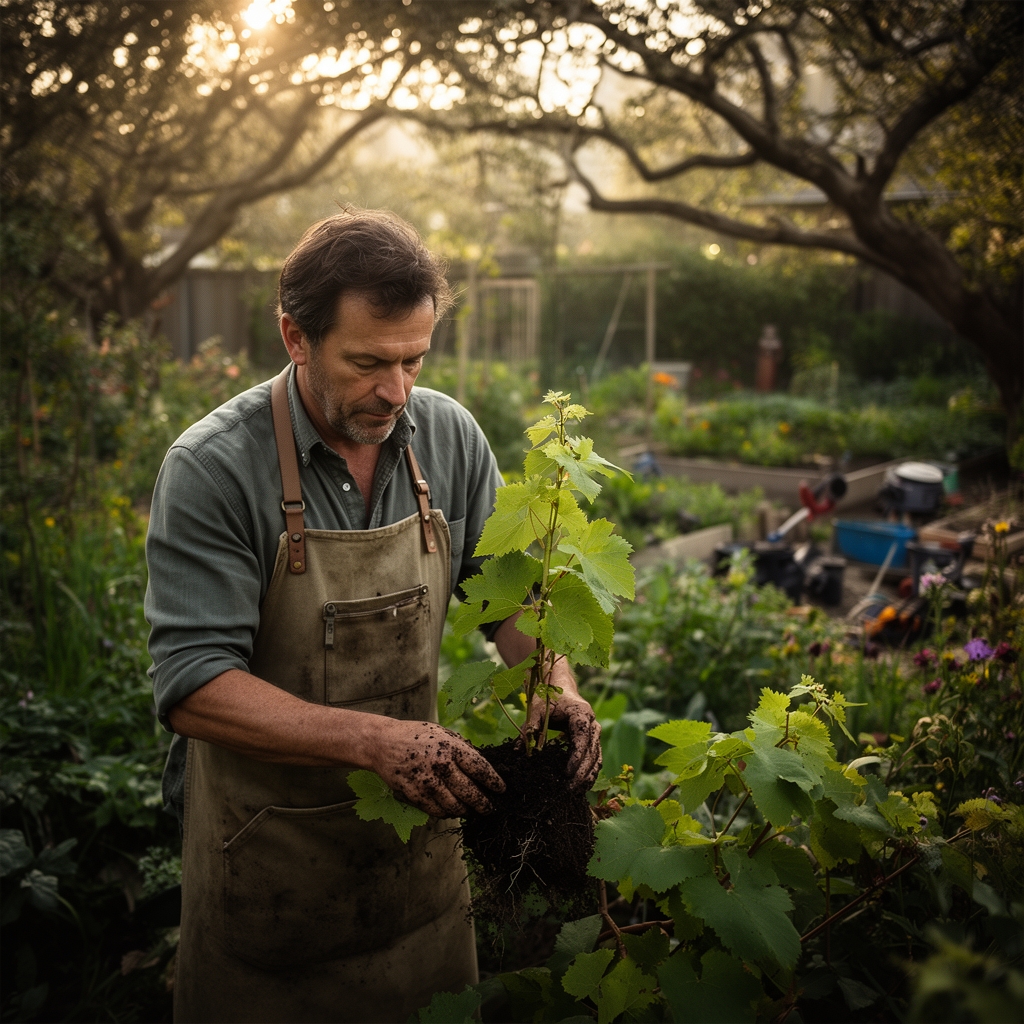
Identify the permanent trunk and cordon arms (horizontal branches). Remove anything growing from the trunk base. Count the previous season's fruiting canes to determine vine load capacity. Mature vines support 40 to 60 buds; younger vines (2-3 years old) should carry only 20 to 30 buds.
Pro-Tip: Measure cane diameter at the base. Pencil-thick canes (0.25 to 0.4 inches) produce optimal fruit. Canes thinner than a pencil lack stored energy; those thicker than your thumb grow excessive foliage.
Step 2: Select Renewal Spurs
Locate canes growing 6 to 12 inches from the trunk along the cordon. Cut these back to two-bud spurs. These renewal spurs will produce next year's fruiting wood. Position them alternating left and right along the cordon for balanced growth.
Pro-Tip: Choose spurs with buds facing upward and outward, not inward toward the trunk. This promotes open canopy architecture.
Step 3: Choose Fruiting Canes
Select four canes from last season's growth. Each should originate from the previous year's renewal spur zone. Ideal fruiting canes measure 6 to 10 feet long with internodes (bud spacing) of 4 to 6 inches.
Pro-Tip: Avoid canes with extremely tight node spacing (less than 3 inches). This indicates water stress during development and predicts weak fruit production.
Step 4: Execute the Four-Cane Kniffin Cut
Trim each selected cane to 10 buds (approximately 4 to 5 feet). Secure these horizontally along trellis wires. Remove all other canes completely, cutting flush to the cordon without leaving stubs. Stubs harbor disease and sap-sucking insects.
Pro-Tip: Make all cuts at 45-degree angles, sloping away from the bud. This sheds rainwater and prevents Botrytis infection at wound sites.
Step 5: Thin the Crown
Remove suckers originating from below the graft union (the swollen trunk area near soil level). These rootstock shoots steal energy and may produce inferior fruit if the vine is grafted. Cut them at ground level; pulling creates root damage.
Pro-Tip: Apply a dab of pruning sealant to cuts larger than 1 inch in diameter. While not essential, it accelerates wound callusing in humid climates prone to fungal spores.
Step 6: Clean and Compost
Gather all pruned material and inspect for disease signs (cankers, discoloration, fuzzy mold). Burn or dispose of diseased canes; do not compost them. Healthy canes can be chipped for mulch or soaked to create hugelkultur base layers in vegetable beds.
Pro-Tip: Weigh your pruned material. Total cane weight should equal roughly 10% of anticipated fruit yield. Forty pounds of canes typically correlates with 400 pounds of grapes at harvest.
Step 7: Apply Dormant Spray
Within 48 hours of pruning, apply lime sulfur or horticultural oil dormant spray. This suffocates overwintering insect eggs and fungal spores lodged in bark crevices. Spray until runoff, coating all remaining canes and the trunk thoroughly.
Pro-Tip: Add a spreader-sticker surfactant (0.25% concentration) to improve spray adherence on smooth bark. Without it, 40% of the spray runs off before drying.
Nutritional & Environmental Benefits
Grapes deliver 104 calories per cup with 27 grams of carbohydrates, making them excellent energy sources for endurance activities. They contain significant resveratrol, a polyphenol linked to cardiovascular health. Purple varieties offer anthocyanins, antioxidants that protect cellular DNA from oxidative stress.
Properly pruned grapevines support pollinator diversity. While grapes are wind-pollinated and don't require insects, the understory beneath trellised vines provides habitat for Mason bees and native ground-nesting bees. These bees pollinate nearby vegetable crops at 3x the efficiency of honeybees.
Grapevine root systems partner with arbuscular mycorrhizal fungi, extending nutrient uptake range by 10 to 100 times. This symbiosis enhances phosphorus absorption in alkaline soils where mineral phosphorus binds tightly to calcium. A single vine's root network can stabilize 200 square feet of hillside soil, preventing erosion on slopes up to 30 degrees.
Advanced Methods
Small Space Techniques:
Train vines as single cordons on 6-foot tall posts spaced 8 feet apart. Prune to 15 buds per vine. This vertical system produces 10 to 15 pounds of fruit per vine in areas as compact as 6×8 feet. Pair with determinate heirloom tomatoes planted between posts to maximize ground usage.
Organic & Permaculture Integration:
Underplant with nitrogen-fixing white clover or crimson clover. Mow the clover three times during growing season, leaving clippings as mulch. This delivers 80 to 120 pounds of nitrogen per acre annually while suppressing weeds. Integrate comfrey plants at vine bases; their deep taproots mine subsoil potassium and make it available through leaf decomposition.
Season Extension:
Install 6-mil clear polyethylene over arbors in early March (Zones 6-7) to create a passive solar heat trap. This advances bud break by 10 to 14 days and extends the growing season by three weeks. Ventilate sides when daytime temperatures exceed 75°F to prevent premature bud forcing.
Troubleshooting
Symptom: Excessive sap dripping (bleeding) from pruning cuts in early spring.
Solution: This is physiologically normal and doesn't harm the vine. Prune earlier in dormancy (late winter) to avoid the bleeding phase, or accept it as cosmetic. No treatment is required.
Symptom: Canes die back 6 to 12 inches from pruning cuts by late spring.
Solution: Eutypa dieback fungus infected cuts during wet weather. Recut 4 inches below dead tissue into healthy green wood. Prune only during dry weather forecasts (3+ days without rain). Apply wound sealant containing Trichoderma biological fungicide.
Symptom: Buds fail to break evenly along canes; some remain dormant.
Solution: Insufficient chilling hours (cumulative hours below 45°F) occurred. Grapevines need 800 to 1,200 chilling hours depending on variety. Select low-chill cultivars (Blanc du Bois, Champanel) for warm-winter regions.
Symptom: Vigorous shoot growth with few flower clusters by June.
Solution: Over-fertilization with nitrogen stimulates vegetative growth at the expense of fruiting. Halt nitrogen applications. Apply triple superphosphate (0-46-0) at 2 pounds per vine to shift energy toward reproductive growth.
Symptom: Buds shrivel and turn brown without opening in spring.
Solution: Winter temperatures below -5°F killed buds. Cold-hardy varieties like Frontenac and Marquette tolerate -30°F. In marginal zones, bury canes under 6 inches of soil or straw mulch from December through March for insulation.
Storage & Maintenance
Watering Protocol:
Deliver 1 to 1.5 inches of water weekly during active growth (May through August). Use drip irrigation positioned 18 inches from the trunk to encourage deep rooting. Reduce watering to 0.5 inches weekly after veraison (when berries begin changing color). This concentrates sugars and prevents berry splitting.
Feeding Schedule:
Apply 5-10-10 fertilizer at 0.5 pounds per vine in early March as buds swell. Side-dress with aged compost (one 5-gallon bucket per vine) in mid-June. Cease all nitrogen after July 15 to harden wood before dormancy. Foliar spray with kelp extract (1 tablespoon per gallon) every three weeks to supply trace minerals (boron, zinc, manganese).
Post-Harvest Storage:
Unwashed grapes store 5 to 7 days at room temperature, 3 to 4 weeks refrigerated at 32°F with 90% humidity. Wash only immediately before consumption; the natural bloom (waxy coating) preserves freshness. For long-term storage, freeze whole clusters on trays, then transfer to vacuum-sealed bags. Frozen grapes maintain quality for 10 to 12 months.
Conclusion
Success with grapevines stems from understanding that pruning is controlled plant surgery, not random cutting. Remove 80 to 90% of last season's growth to concentrate energy into premium fruit. Time cuts during deep dormancy, select canes with proper diameter and bud spacing, and maintain renewal spurs for sustainable production cycles. Share your pruning results with local gardening cooperatives to build regional knowledge about which varieties thrive in your specific microclimate.
Expert FAQs
How many buds should I leave when pruning a three-year-old grapevine?
Leave 20 to 25 total buds distributed across two to three fruiting canes. Young vines lack the root mass to support full production loads. Overloading delays establishment and stunts trunk development. Increase by 10 buds per year until reaching 40 to 60 buds at maturity (year 5-6).
Can I prune grapevines in summer instead of winter?
Summer pruning (hedging) removes excessive foliage to improve air circulation and sun exposure but does not replace winter structural pruning. Limit summer cuts to shoot tips beyond 6 to 8 leaves past the last flower cluster. Removing entire canes in summer sacrifices next year's fruiting wood and stored carbohydrates.
What causes grapevines to produce tiny, seedless berries (shot berries)?
Coulure results from poor pollination during cool, wet weather at bloom time. Zinc deficiency also triggers this symptom. Foliar spray zinc sulfate (0.5 pounds per 100 gallons water) two weeks before expected bloom. Ensure adequate boron availability with soil tests targeting 1.5 to 2.0 ppm.
How do I rejuvenate a 20-year-old neglected grapevine?
Execute renewal pruning over three seasons. Year one: remove 50% of the canopy, focusing on diseased and damaged wood. Year two: establish new cordons from trunk suckers, cutting old cordons back halfway. Year three: remove remaining old wood and train renewed structure. Expect light crops during this transition period.
Should I seal large pruning cuts with wound dressing?
Research shows wound dressings provide minimal benefit in dry climates but reduce fungal infection by 15 to 20% in regions with spring rainfall exceeding 4 inches monthly. Use products containing copper or biological agents, not petroleum-based sealants that trap moisture and promote rot.