7 Soap-Based Steps for Treating Scale Insects
Healthy plant tissue exhibits high turgor pressure; the leaves feel firm and the stems resist bending. When scale insects attach to the phloem, they siphon away the sap that maintains this internal pressure. You can identify an infestation by the presence of waxy, immobile bumps on stems or the undersides of leaves. Implementing these specific steps for treating scale with soap requires immediate action to prevent systemic decline and the eventual senescence of the host plant.
Materials:
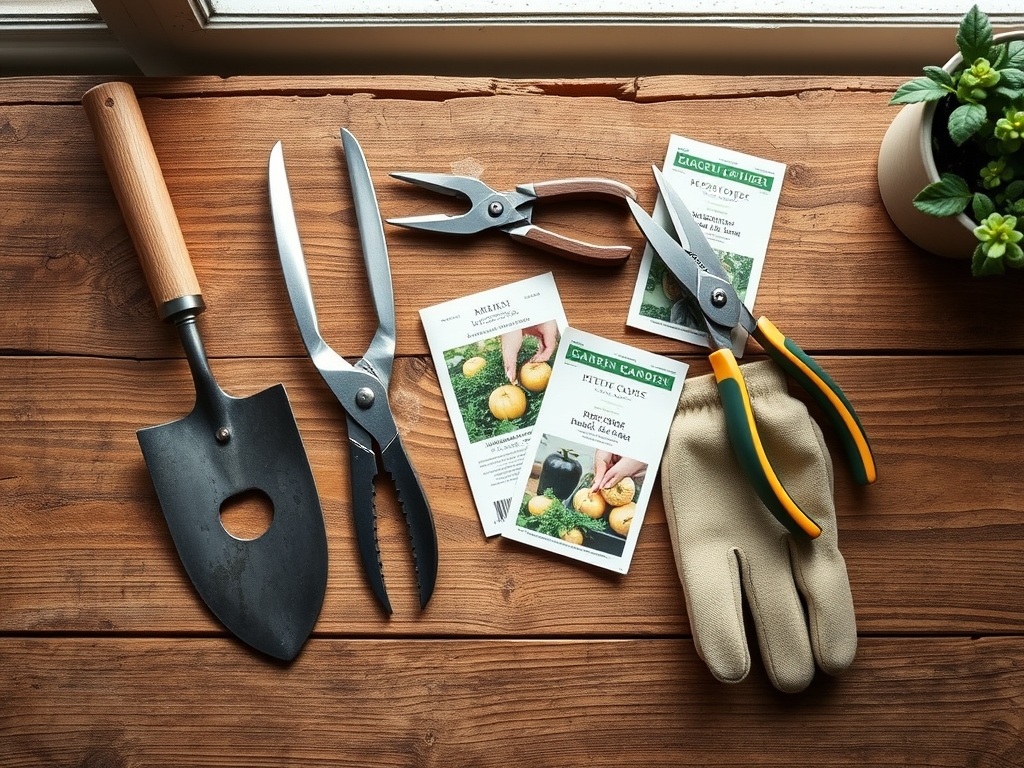
To support a plant recovering from scale, the substrate must be a **friable loam** with a high Cation Exchange Capacity (CEC). This ensures the plant can access the necessary ions for cellular repair. Maintain a **soil pH between 6.2 and 6.8** for most temperate species. During the recovery phase, utilize a fertilizer with an **NPK ratio of 5-10-5**. The lower nitrogen content prevents a flush of succulent new growth that attracts further sap-sucking insects, while the higher phosphorus supports root regeneration. You will also need pure liquid castile soap, distilled water, and a soft-bristled brush.
Timing:
Successful intervention depends on the life cycle of the insect and the hardiness zone of the garden. In Zones 5 through 8, scale typically enters its "crawler" stage in late spring or early summer, usually between 600 and 900 Growing Degree Days (GDD). This is the only period when the insects are mobile and lack their protective waxy shield. Monitor the biological clock of your plants; treatment is most effective during the vegetative stage before the plant enters its reproductive phase. Avoid application when temperatures exceed 85 degrees Fahrenheit, as the soap can cause phytotoxicity by dissolving the leaf cuticle under high heat.
Phases:
Sowing and Preparation
Before applying any soap solution, ensure the plant is fully hydrated. Drought-stressed plants have compromised cell walls and are more susceptible to chemical burns. Mix one tablespoon of castile soap per quart of water. Do not use detergents containing degreasers or bleach. Test a single leaf and wait 24 hours to check for adverse reactions.
Pro-Tip: Hydrating the rhizosphere 12 hours before treatment increases turgor pressure. This ensures the guard cells of the stomata are functioning correctly, which helps the plant regulate its internal temperature during the chemical application.
Transplanting and Manual Removal
For heavy infestations, use a hori-hori knife or a soft brush to physically dislodge the adult scales. This manual removal is critical because the soap solution cannot penetrate the hardened shells of mature females. Focus on the nodes and the midribs of the leaves where sap flow is most concentrated.
Pro-Tip: Manual removal triggers a systemic acquired resistance (SAR) in the plant. This localized physical stress stimulates the production of jasmonic acid, a hormone that prepares the plant to defend against further herbivory.
Establishing the Treatment Protocol
Apply the soap solution using a pressurized sprayer to ensure complete coverage of both the adaxial and abaxial leaf surfaces. The soap works by disrupting the cell membranes of the insects and blocking their spiracles, leading to asphyxiation. Repeat the application every 7 to 10 days for at least three cycles to catch emerging crawlers.
Pro-Tip: Soap acts as a surfactant, reducing the surface tension of water. This allows the solution to penetrate the microscopic crevices of the bark where eggs may be hidden, effectively interrupting the reproductive cycle through mechanical suffocation.
The Clinic:
Observe the plant for physiological disorders that may mimic or follow a scale infestation.
Symptom: Black, sooty mold on leaf surfaces.
Solution: This is a secondary fungal infection growing on "honeydew" excreted by scale. Wipe leaves with a 1% neem oil solution to eliminate the fungus and improve photosynthetic efficiency.
Symptom: Yellowing of older leaves (Nitrogen chlorosis).
Solution: Scale insects deplete nitrogen reserves. Apply a foliar spray of fish emulsion (2-4-1) to provide an immediate, bioavailable nitrogen source to the remaining healthy tissue.
Symptom: Leaf drop and dieback.
Solution: This indicates severe phloem damage. Use bypass pruners to remove the most affected branches, cutting back to a healthy lateral bud to stimulate dormant axillary buds.
Symptom: Interveinal chlorosis in new growth (Iron deficiency).
Solution: Scale can disrupt nutrient transport. Check soil pH; if it is above 7.0, iron becomes insoluble. Amend with chelated iron to restore chlorophyll production.
Maintenance:
Post-treatment care is essential for long-term survival. Provide 1.5 inches of water per week at the drip line, ensuring the moisture reaches the root zone without wetting the foliage, which can encourage fungal pathogens. Use a soil moisture meter to maintain a consistent moisture level of 40% to 60%. Inspect the plant weekly using a 10x hand lens to look for new crawlers. Maintain a 3-inch layer of organic mulch around the base to stabilize soil temperatures and support a healthy microbial population in the rhizosphere.
The Yield:
For ornamental plants, the goal is the restoration of aesthetic value and structural integrity. For fruit-bearing plants, ensure all soap residue is washed off at least 48 hours before harvest. Harvest during the cool morning hours when turgor is at its peak. Use sharp bypass pruners to make clean cuts, preventing jagged wounds that could serve as entry points for pathogens. Store harvested produce in a high-humidity environment at 40 degrees Fahrenheit to slow the rate of respiration and preserve freshness.
FAQ:
Can I use dish soap for scale treatment?
Most commercial dish soaps are detergents containing harsh degreasers that strip the protective waxy cuticle from leaves. Use only pure, fatty-acid-based liquid castile soap to ensure the solution is safe for the plant's delicate cellular structure.
How often should I apply soap to my plants?
Apply the soap solution every 7 to 10 days. This timing aligns with the life cycle of the scale crawlers, ensuring that newly hatched insects are killed before they can secrete their protective waxy shells and become immobile.
Will soap kill beneficial insects like ladybugs?
Soap is a non-selective contact insecticide. It will kill any soft-bodied insect it touches, including beneficial larvae. To minimize impact, apply the treatment in the late evening when pollinators and predatory insects are less active on the foliage.
Why did my plant leaves turn brown after treatment?
This is likely phytotoxicity caused by applying soap in direct sunlight or during high temperatures. Heat causes the soap to dry too quickly, concentrating the salts and burning the leaf tissue. Always apply during cool, overcast conditions.
How do I know if the scale is dead?
Dead scale insects appear dry, dull, and may flake off easily when touched. Unlike live scale, which remains firmly attached and contains fluid, dead scale will not exude any liquid when crushed with a fingernail or a small tool.