6 Specialized Steps to Prepare a Cacti Plant Shelf
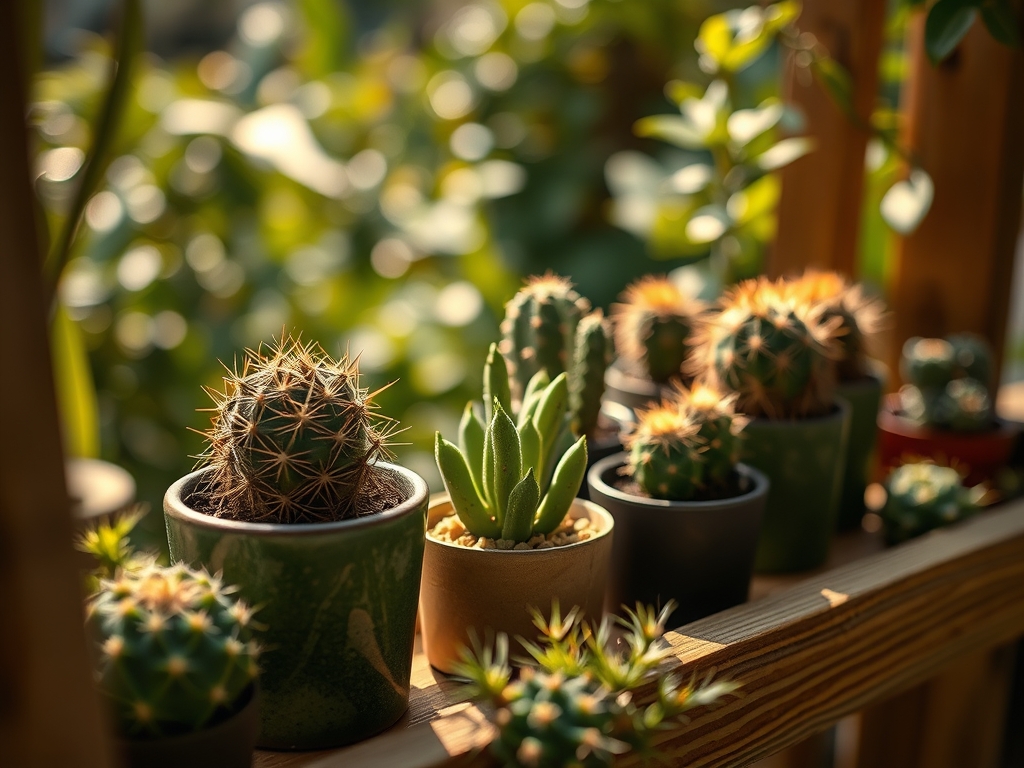
Turgor pressure dictates the structural integrity of a cactus; it is the difference between a rigid, thriving specimen and a collapsing mass of soft tissue. When you learn how to prepare a plant shelf for cacti, you are not merely arranging pots but engineering a microclimate that mimics the arid highlands or desert floors. The scent of dry mineral substrate should dominate the workspace. Success is measured in millimeters of annual growth and the absence of opportunistic pathogens. A well-constructed shelf must account for weight distribution, light intensity, and the specific physiological needs of the plant's rhizosphere.
Materials:
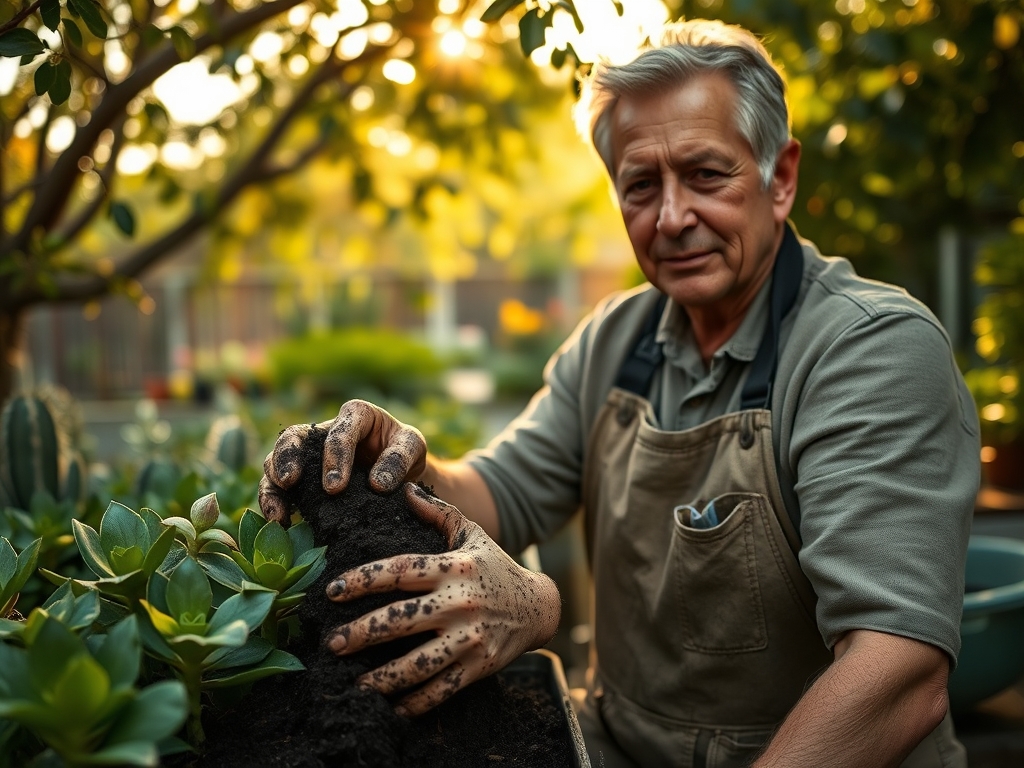
The foundation of a cacti shelf begins with the substrate. You require a medium with a **pH between 5.5 and 6.5** to ensure nutrient availability. The ideal substrate is a friable mix consisting of **40 percent inorganic grit** such as pumice or calcined clay; this ensures a low Cation Exchange Capacity (CEC) which prevents salt buildup. For the organic component, use a well-aged compost with an **NPK ratio of 5-10-10**. Low nitrogen is critical; high nitrogen levels cause rapid, weak cellular expansion that leads to splitting. The physical texture must be gritty and free-draining; if the medium retains moisture for more than **48 hours**, the risk of root senescence increases exponentially.
Timing:
Cacti operate on a strict biological clock governed by the photoperiod and temperature fluctuations. In Hardiness Zones 8 through 11, the shelf should be prepared in late winter, specifically 14 to 21 days before the last frost date. This timing aligns with the transition from the dormant state to the vegetative growth phase. As day length exceeds 12 hours, the plant's metabolic rate increases. If you are in a colder zone, ensure your shelf is equipped with supplemental lighting that provides 10,000 to 15,000 lux for at least 12 hours daily to prevent etiolation.
Phases:
Sowing and Propagation
When starting from seed or offsets, use a sterile, fine-grade mineral mix. Maintain a consistent temperature of 70 to 80 degrees Fahrenheit. Use a soil moisture meter to ensure the top centimeter of the medium remains slightly damp during the first 14 days of germination.
Pro-Tip: Maintain high humidity for seedlings to prevent desiccation of the initial radicle. The biological why involves the lack of a thick waxy cuticle in juvenile plants; without external moisture, the plant cannot maintain the internal osmotic pressure required for cellular division.
Transplanting
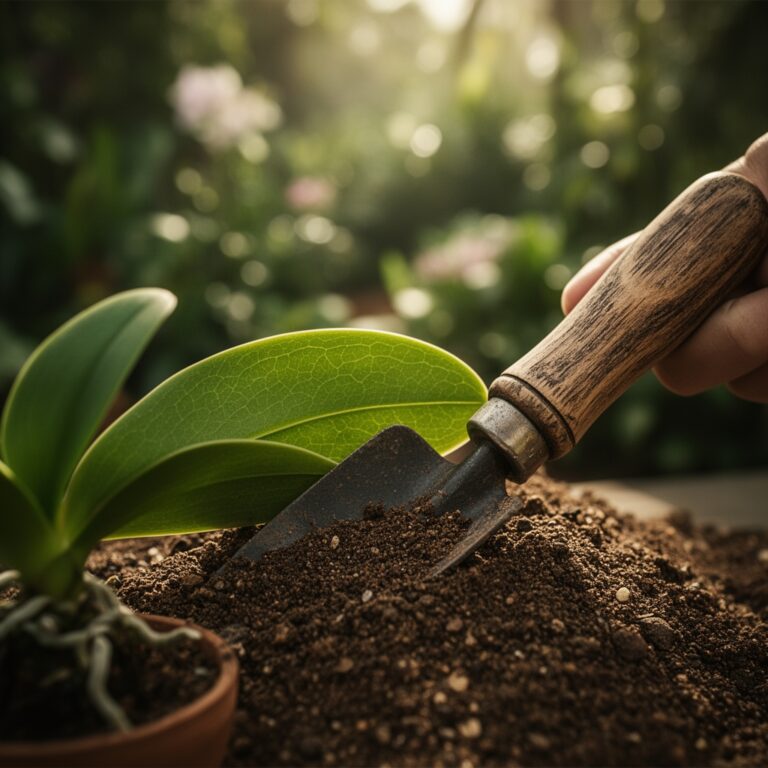
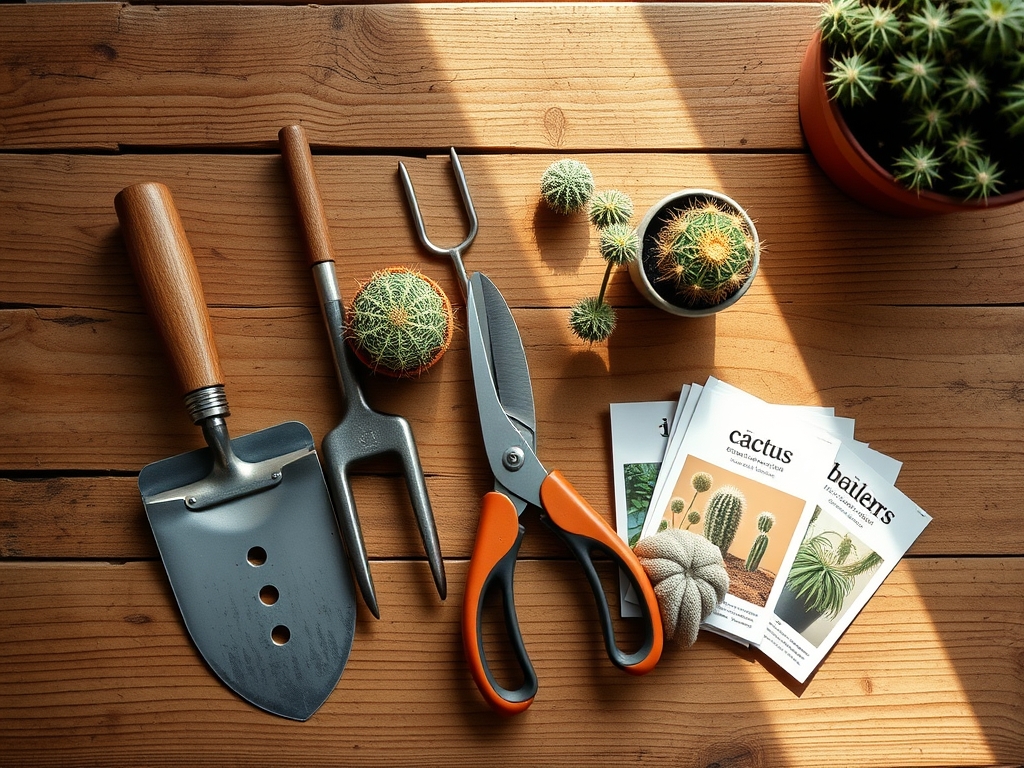
Move established plants into their permanent containers on the shelf once the root system has occupied 80 percent of the current vessel. Use a hori-hori knife to gently loosen the root ball. Ensure the new container is only 1 inch wider than the previous one to prevent "perched water tables" at the bottom of the pot.
Pro-Tip: Wait 7 days before watering a newly transplanted cactus. The biological why is to allow for the callousing of broken roots. This prevents soil-borne pathogens from entering the vascular system via open wounds, a process known as secondary metabolite defense.
Establishing
Once positioned on the shelf, the plants must be oriented relative to their light source. Monitor for phototropism, where the plant leans toward the light. Rotate the pots 90 degrees every two weeks to ensure even growth and structural balance.
Pro-Tip: Use a fan to provide gentle air circulation around the shelf. The biological why is the stimulation of "thigmomorphogenesis." Mechanical stress from air movement strengthens the plant's internal cell walls, creating a more resilient epidermis.
The Clinic:
Physiological disorders often manifest before permanent damage occurs. Monitor your shelf for these specific symptoms:
- Etiolation: The plant becomes pale, thin, and stretches toward the light.
Solution: Increase light intensity to at least 2,000 foot-candles and reduce nitrogen-heavy fertilizers. - Edema: Small, corky bumps appear on the epidermis.
Solution: Improve air circulation and reduce watering frequency. This is caused by the plant absorbing water faster than it can be transpired. - Nitrogen Chlorosis: Yellowing of the older tissues while the apex remains green.
Fix-It: Apply a chelated liquid fertilizer with a 1-2-2 ratio to restore chlorophyll production without forcing excessive growth. - Magnesium Deficiency: Interveinal yellowing or "brightening" of the ribs.
Fix-It: Incorporate 1 tablespoon of Epsom salts per gallon of water during the next scheduled irrigation to boost magnesium ions for the central atom of the chlorophyll molecule.
Maintenance:
Precision is the hallmark of a professional cacti shelf. Use a soil moisture meter to verify the substrate is completely dry before adding water. During the active growth season, provide enough water to saturate the root zone until it drains from the bottom; typically, this equates to 0.5 to 1.0 liters for a medium-sized pot. Use bypass pruners to remove any necrotic tissue or spent blooms to prevent fungal colonization. In the winter months, reduce watering to once every 4 to 6 weeks to respect the plant's dormancy. Clean the shelf surfaces with a 10 percent bleach solution annually to eliminate dormant pest larvae or fungal spores.
The Yield:
For those growing flowering cacti or fruiting species like Opuntia, timing the harvest is critical for sugar concentration. Fruits should be harvested when they reach full color saturation and yield slightly to thumb pressure. Use tongs or heavy gloves to avoid glochids. To maintain "day-one" freshness, store harvested fruit at 45 degrees Fahrenheit with a relative humidity of 85 percent. This slows the rate of respiration and prevents the degradation of cellular sugars.
FAQ:
How much light do cacti on a shelf need?
Most desert cacti require 10 to 14 hours of high-intensity light. Aim for 15,000 lux using full-spectrum LED grow lights positioned 6 to 12 inches above the apical meristem to prevent etiolation and promote healthy spination.
What is the best pot material for a cacti shelf?
Unglazed terracotta is superior for shelf culture. The porous clay allows for lateral evaporation through the pot walls, which prevents the substrate from remaining saturated and protects the rhizosphere from anaerobic conditions and root rot.
How often should I fertilize cacti on my shelf?
Apply a low-nitrogen, water-soluble fertilizer at half-strength once every four weeks during the active growing season (spring and summer). Cease all fertilization during the winter dormancy period to prevent weak, leggy growth and nutrient salt accumulation.
Can I use regular potting soil for my cactus shelf?
No. Standard potting soil retains too much moisture and lacks necessary aeration. It often has a high peat content which becomes hydrophobic when dry. Use a dedicated mineral-based grit mix with a pH of 6.0 for optimal health.