9 Vertical Wall Steps to Prepare a Vegetable Garden
Crushing a handful of well-aggregated soil reveals the sharp, metallic scent of geosmin; it is the olfactory signature of a healthy rhizosphere. In a vertical system, success depends on managing turgor pressure against the relentless pull of gravity. Learning how to prepare a garden for a vertical vegetable garden requires a shift from horizontal complacency to vertical precision. You are no longer just planting; you are engineering a living hydraulic system that must transport water and nutrients upward through vascular tissues while maintaining structural integrity.
The transition from traditional rows to vertical tiers demands an obsession with soil density and moisture retention. A vertical vegetable garden relies on a constrained root volume, meaning every cubic centimeter of substrate must be optimized for cation exchange capacity (CEC). If the substrate fails, the plant undergoes rapid senescence. Preparing the site involves calculating load-bearing capacities and solar angles to ensure the photoperiod meets the metabolic demands of high-yield cultivars. This guide provides the technical framework to build a vertical system that produces professional-grade yields.
Materials:
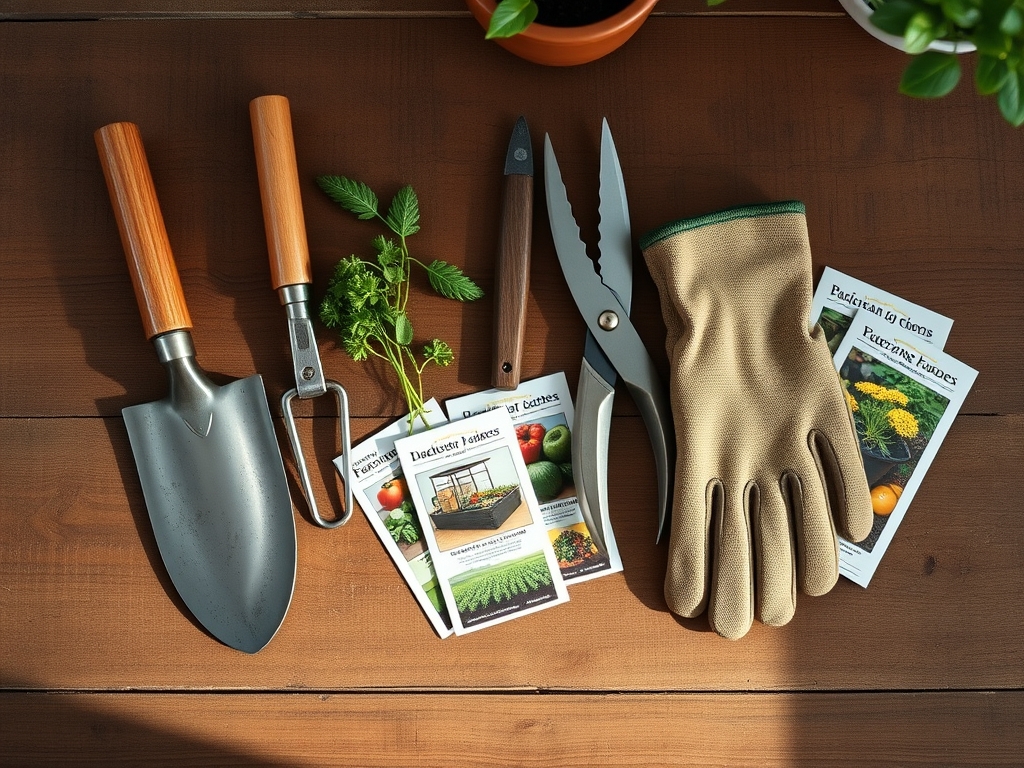
Vertical systems require a friable loam that does not compact over time. Standard garden soil is too heavy and lacks the necessary pore space for gas exchange in a vertical container.
- Substrate Base: 40% coconut coir or peat moss, 30% perlite or vermiculite, and 30% high-quality compost.
- Soil pH: Target a range of 6.2 to 6.8. This range ensures maximum bioavailability of macronutrients. Use elemental sulfur to lower pH or calcitic lime to raise it.
- NPK Ratios:
- Initial Growth: Use a 10-10-10 balanced starter.
- Vegetative Phase: Transition to a higher nitrogen (N) ratio, such as 15-5-10, to drive leaf development.
- Fruiting Phase: Shift to a 5-15-15 ratio to prioritize phosphorus (P) and potassium (K) for flower and fruit set.
- CEC Requirements: Aim for a substrate with a CEC of 15-25 meq/100g. This ensures the soil can hold onto positively charged ions like calcium (Ca2+) and magnesium (Mg2+).
Timing:
Timing is dictated by the Hardiness Zone and the specific frost-free window of your microclimate. In Zones 5-7, vertical preparation must begin 6 weeks before the last predicted frost. Vertical gardens are more susceptible to ambient air temperatures than in-ground beds because they lack the thermal mass of the earth.
The Biological Clock of the plant is governed by the photoperiod. For vertical vegetables like indeterminate tomatoes or pole beans, you must time the transition from the vegetative stage to the reproductive stage. If you plant too early in the spring, low soil temperatures (below 60 degrees Fahrenheit) will stunt root development, leading to permanent structural weakness. Monitor the Growing Degree Days (GDD) to predict exactly when your crops will reach maturity.
Phases:
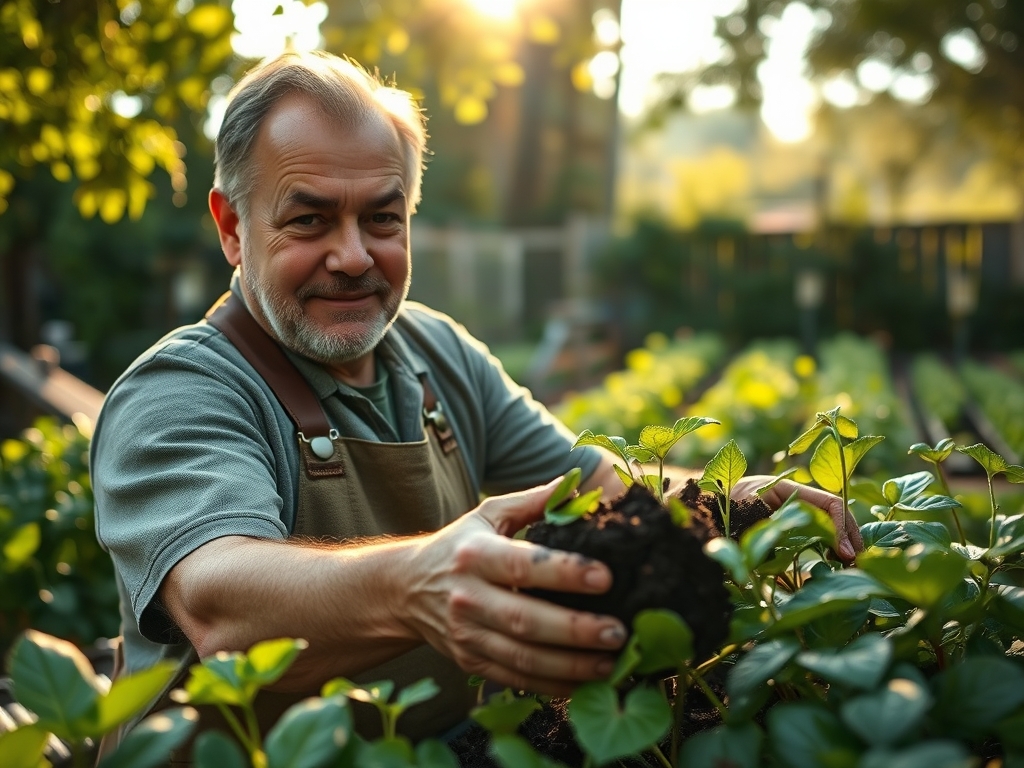
Sowing and Seed Starting
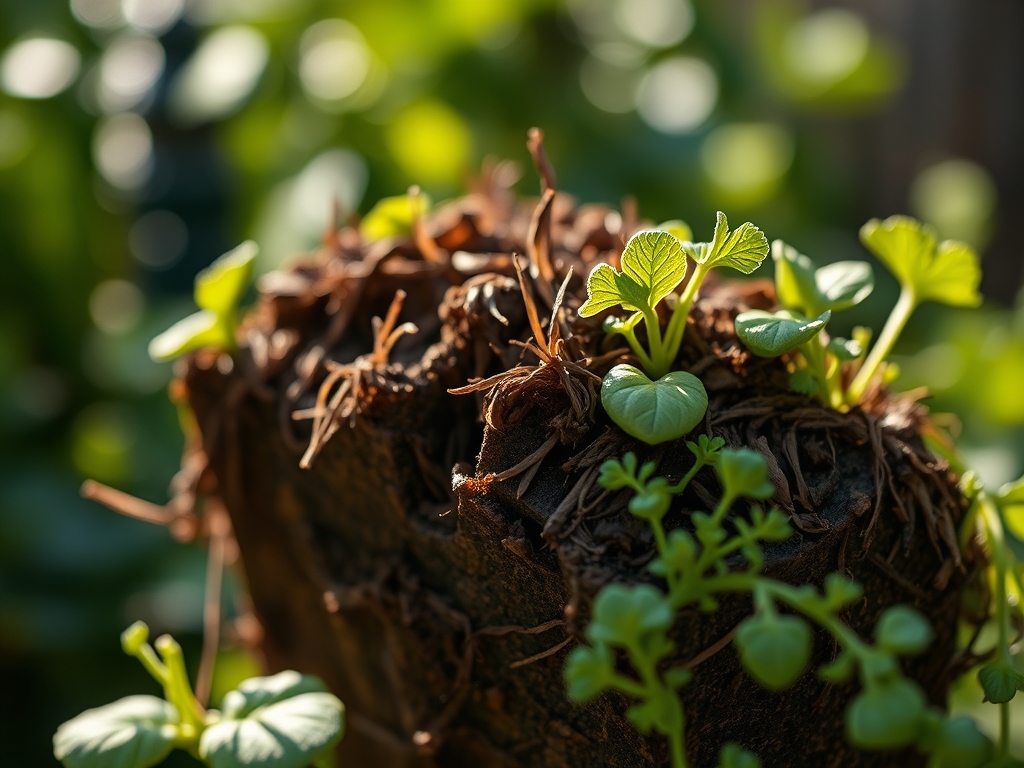
Start seeds in 72-cell trays using a sterile, soilless medium. Maintain a consistent temperature of 70-75 degrees Fahrenheit for optimal germination. Ensure the light source is within 3 inches of the seedlings to prevent "legginess," which is a failure of the stem to support its own weight.
Pro-Tip: Seedlings exhibit phototropism, where they grow toward a light source. Rotate trays 180 degrees daily to ensure straight, sturdy stems. This prevents the uneven distribution of auxins, the hormones responsible for cell elongation on the shaded side of the stem.
Transplanting into the Vertical Wall
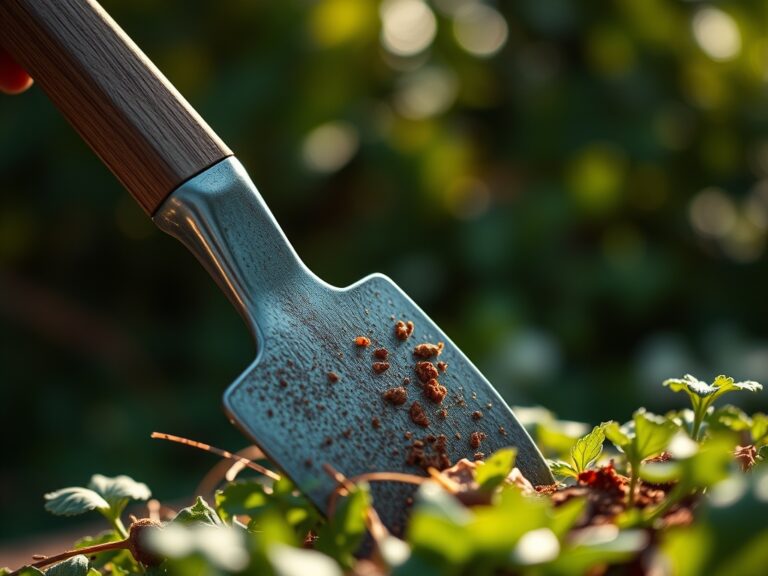
When seedlings have developed their second set of true leaves, they are ready for the vertical structure. Dig a hole twice the size of the root ball. Use a hori-hori knife to gently loosen any circling roots. Set the plant at the same depth it was in the tray, except for tomatoes, which should be buried up to the first set of leaves to encourage adventitious root growth.
Pro-Tip: Inoculate the root zone with mycorrhizal fungi. This creates a mycorrhizal symbiosis, effectively extending the root system's surface area. The fungi scavenge for phosphorus and water in exchange for plant sugars, which is critical in the limited soil volume of a vertical planter.
Establishing and Support
As the plants grow, they must be secured to the vertical frame using soft ties or clips. For heavy feeders, implement a fertigation schedule every 10-14 days. Monitor the turgor pressure daily; if leaves appear flaccid in the morning, the irrigation cycle is insufficient.
Pro-Tip: Prune the "suckers" or axillary buds on indeterminate varieties to maintain apical dominance. This focuses the plant's energy on the primary vertical stem and fruit production rather than excessive foliage, preventing the "shading out" of lower tiers.
The Clinic:
Physiological disorders in vertical gardens often stem from erratic moisture levels or nutrient imbalances.
- Symptom: Yellowing of lower leaves (Nitrogen Chlorosis).
- Solution: Apply a water-soluble high-nitrogen fertilizer (e.g., blood meal or fish emulsion).
- Symptom: Dark, sunken spots on the bottom of fruit (Blossom End Rot).
- Solution: This is a calcium deficiency caused by inconsistent watering. Maintain a steady moisture level to ensure calcium ions can move through the xylem.
- Symptom: Interveinal yellowing on new growth (Iron Deficiency).
- Solution: Check soil pH. If pH is above 7.0, iron becomes locked. Lower the pH or apply chelated iron.
- Symptom: Leaf curl and stunted growth.
- Solution: Check for pests or extreme heat stress. Increase irrigation frequency to lower the leaf surface temperature through transpiration.
Maintenance:
A vertical vegetable garden requires high-frequency monitoring. Use a soil moisture meter to ensure the substrate remains at 60-70% field capacity. In peak summer, vertical walls may require 1.5 to 2.0 inches of water per week, delivered via a drip irrigation system at the top of each tier.
Use bypass pruners to remove any yellowing or diseased foliage immediately to prevent the spread of pathogens in the dense canopy. Sterilize your tools with 70% isopropyl alcohol between plants. Check the structural integrity of the wall monthly; wet soil is heavy, and a standard 4×8 vertical panel can weigh over 300 pounds when fully saturated.
The Yield:
Harvesting from a vertical garden requires precision to avoid damaging the main vine. Use sharp snips to cut fruit stems rather than pulling. For leafy greens, use the "cut and come again" method, taking only the outer leaves to allow the apical meristem to continue producing new growth.
To maintain "day-one" freshness, harvest in the early morning when turgor pressure is at its peak. Immediately submerge leafy greens in cold water (40 degrees Fahrenheit) to remove field heat and slow down the metabolic rate. This process, known as hydro-cooling, extends the shelf life by preventing rapid moisture loss through the stomata.
FAQ:
How much sun does a vertical garden need?
Most vegetables require a minimum of 6 to 8 hours of direct sunlight. In vertical systems, ensure the top tiers do not shade out the bottom tiers. Use a light meter to verify at least 25,000 lux for fruiting crops.
What is the best soil for vertical gardening?
Use a high-porosity, soilless mix containing peat or coir, perlite, and compost. Avoid standard topsoil, as it lacks the drainage required for containerized vertical systems and will compact, suffocating the rhizosphere.
How do I prevent water from pooling at the bottom?
Install a tiered irrigation system with individual pressure-compensating emitters for each level. Ensure each container has adequate drainage holes and use a coarse drainage layer of gravel or expanded clay pebbles at the base of each planter.
Can I grow root vegetables vertically?
Yes, but they require deeper pockets. Carrots and radishes need at least 8 to 12 inches of substrate depth. Ensure the soil is stone-free to prevent root forking and maintain a consistent moisture level to prevent splitting.