9 Tips to Use a Pressure Sprayer for Timber Cleaning
The first warm Saturday of spring brings every homeowner to the same realization: the deck boards have grayed, mildew streaks darken the railings, and last autumn's leaf stains resist scrubbing. Using a pressure sprayer for deck preparation transforms a weekend chore into precision work. The pressurized chamber delivers cleaning solution at 40-60 PSI, embedding surfactants deep into wood grain without the high-pressure damage of a power washer. This controlled approach opens pores, neutralizes tannins, and prepares cellulose fibers to accept stain molecules within 48 hours.
Materials
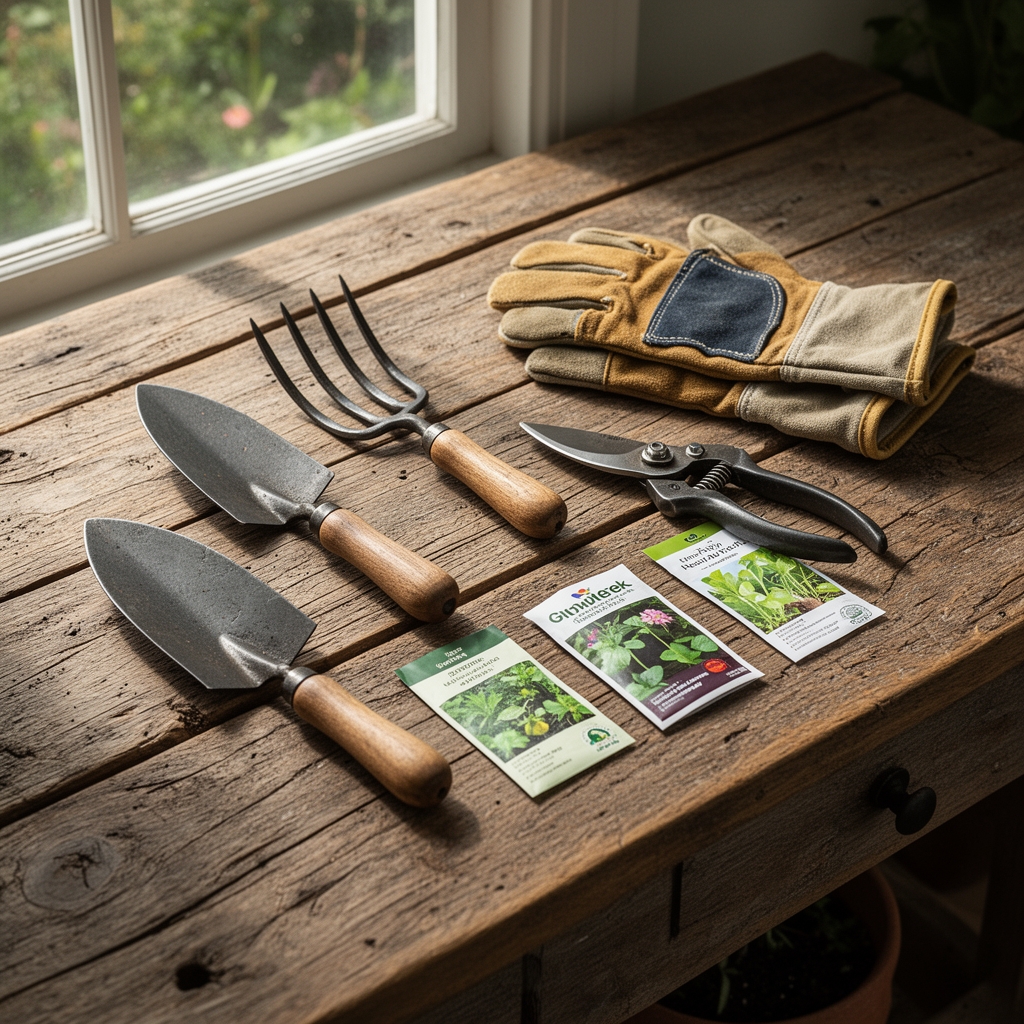
A 2-gallon pump sprayer with a brass wand and adjustable nozzle forms the foundation. Select models with Viton seals rated for pH 3-11; these resist degradation from oxalic acid and sodium percarbonate solutions. For alkaline cleaning (pH 10-11), mix 1 cup oxygen bleach powder per gallon of water. This formulation lifts organic matter without disrupting lignin bonds. For tannin extraction on cedar or redwood, prepare a 2% oxalic acid solution (pH 2-3) by dissolving 3 tablespoons crystalline oxalic acid per gallon. A nylon deck brush with 0.012-inch bristles provides mechanical agitation. Microfiber deck mops capture suspended particulates during the rinse phase. A pH test strip kit ensures solution strength remains within the 2.5-3.5 range for acid washes or 10-11 for alkaline treatments. Nitrile gloves rated for chemical resistance and safety glasses complete the kit.
Timing
In Hardiness Zones 5-7, schedule deck preparation between April 15 and May 30, after the last frost date but before ambient temperatures exceed 75°F. Wood moisture content should stabilize below 15% after winter; use a pin-type moisture meter to confirm. Avoid cleaning within 48 hours of rain; excess substrate moisture prevents solution penetration. In Zones 8-9, the optimal window extends from March 1 to April 15, before summer humidity surpasses 70%. Southern yellow pine and pressure-treated lumber require 6-8 weeks of weathering after installation to allow preservative migration toward the surface. Plan application on mornings with dew-point spreads of 10-15°F to maintain evaporation rates of 0.5 inches per hour.
Phases

Pre-Cleaning Assessment: Sweep all debris using a stiff push broom. Remove planters, furniture, and fastener corrosion with a wire brush. Inspect for loose nails, cupped boards, and spalting fungi (white rot patterns). Drive protruding fasteners 1/8 inch below the surface. Pre-wet the deck with clear water at 30 PSI to open grain structure and reduce cleaner absorption variance across growth rings.
Pro-Tip: Apply wetting agents at a 1:500 dilution to reduce surface tension from 72 dynes/cm to 28 dynes/cm, increasing solution penetration by 40%.
Chemical Application: Pump the sprayer to 50 PSI. Hold the wand 12 inches from the surface at a 45-degree angle. Apply cleaner in 4-foot sections, using overlapping passes perpendicular to the grain. Dwell time for oxygen bleach solutions is 12-15 minutes; oxalic acid requires 8-10 minutes. Watch for color shift from gray to tan as lignin oxidation reverses. Agitate with the nylon brush in circular motions, applying 2 pounds of force per square foot.
Pro-Tip: For severe mildew (Gloeocapsa magma colonies), add 2 ounces of quaternary ammonium compound per gallon to disrupt biofilm exopolysaccharides.
Neutralization and Rinse: For oxalic acid treatments, neutralize with a baking soda solution (1/2 cup per gallon, pH 8-9) to halt cellulose degradation. Rinse with clear water at 40 PSI, working from high to low to prevent redeposition. Collect runoff away from plantings; sodium percarbonate elevates soil sodium levels, reducing cation exchange capacity. Allow 48-72 hours of drying before applying penetrating stain. Target moisture content of 12-14% measured at 1/4-inch depth.
Pro-Tip: Install temporary plastic sheeting around acid-sensitive plantings (rhododendrons, azaleas) to prevent foliar pH shock below 5.5.
Troubleshooting
Symptom: Raised grain (cellulose fibers standing vertical after drying).
Solution: Sand with 60-grit aluminum oxide paper in the direction of the grain, then vacuum with a HEPA-filtered shop vacuum.
Symptom: Persistent black stains after oxygen bleach treatment.
Solution: Apply oxalic acid at 3% concentration for 15 minutes. These stains indicate iron tannate complexes requiring chelation.
Symptom: Uneven color (blotchy absorption patterns).
Solution: The wood contains varying densities of earlywood and latewood. Apply a stain conditioner at 200 square feet per gallon to equalize porosity.
Symptom: Fuzzy white surface growth returning within 2 weeks.
Solution: The substrate pH remains above 8.5, favoring saprophytic fungi. Reapply oxalic acid to lower surface pH to 6.5-7.0.
Symptom: Sprayer loses pressure after 30 seconds.
Solution: The pump piston seal has degraded. Replace with an EPDM seal rated for continuous duty cycles.
Maintenance
Rinse the sprayer tank with 2 gallons of clear water immediately after use. Flush the wand and nozzle for 60 seconds to prevent crystal formation in check valves. Store the unit depressurized with the relief valve open. After acid applications, neutralize residual solution with 1 cup vinegar per gallon of rinse water. Inspect the brass wand quarterly for verdigris (copper carbonate deposits) and clean with a 5% citric acid solution. Replace nozzle tips annually; worn orifices reduce spray patterns from 60 degrees to 30 degrees, doubling application time. Lubricate the pump piston with 3 drops of silicone oil every 10 uses.
FAQ
How long before I can stain after cleaning?
Wait 48-72 hours at 65-75°F with relative humidity below 60%. Confirm moisture content at 12-14% with a pin meter.
Can I use a pressure sprayer on composite decking?
No. Composite materials require pH-neutral cleaners (pH 7-8) applied with low-pressure garden sprayers below 20 PSI to avoid surface etching.
Will oxygen bleach damage plants?
At concentrations above 2%, sodium percarbonate releases hydrogen peroxide that oxidizes chlorophyll. Rinse foliage immediately if overspray occurs.
How often should I clean my deck?
In Zones 5-7, clean every 18-24 months. In humid regions (Zones 8-10), increase frequency to 12-16 months to prevent biofilm establishment.
What pressure setting removes algae best?
Maintain 50-55 PSI. Higher pressures (above 70 PSI) fracture earlywood tracheids and create moisture traps for future colonization.