9 Pro Strategies on How to Prepare a Dual-Purpose Garden for Chickens and Vegetables
The smell of loam after a spring rain, rich and almost sweet, signals the start of something most gardeners dream about but few execute well. Knowing how to prepare a garden for chickens and vegetables means creating a living system where birds fertilize soil, control pests, and coexist with crops in a carefully choreographed dance. This isn't about tossing hens into your tomato patch and hoping for the best. It requires rotation schedules, strategic fencing, and understanding which plants tolerate light scratching versus those that need total protection from curious beaks.
The dual-purpose garden operates on principles borrowed from silvopasture and polyculture, systems where multiple species occupy the same space without competing destructively. Chickens contribute roughly 1 cubic foot of nitrogen-rich manure per bird every month, a resource that can burn tender seedlings if applied fresh but transforms into gold after proper composting. Your vegetable beds benefit from pest reduction (chickens devour cucumber beetles, squash bugs, and Japanese beetles), soil aeration from light scratching, and the steady input of organic matter. The key lies in controlling when and where birds access garden zones.
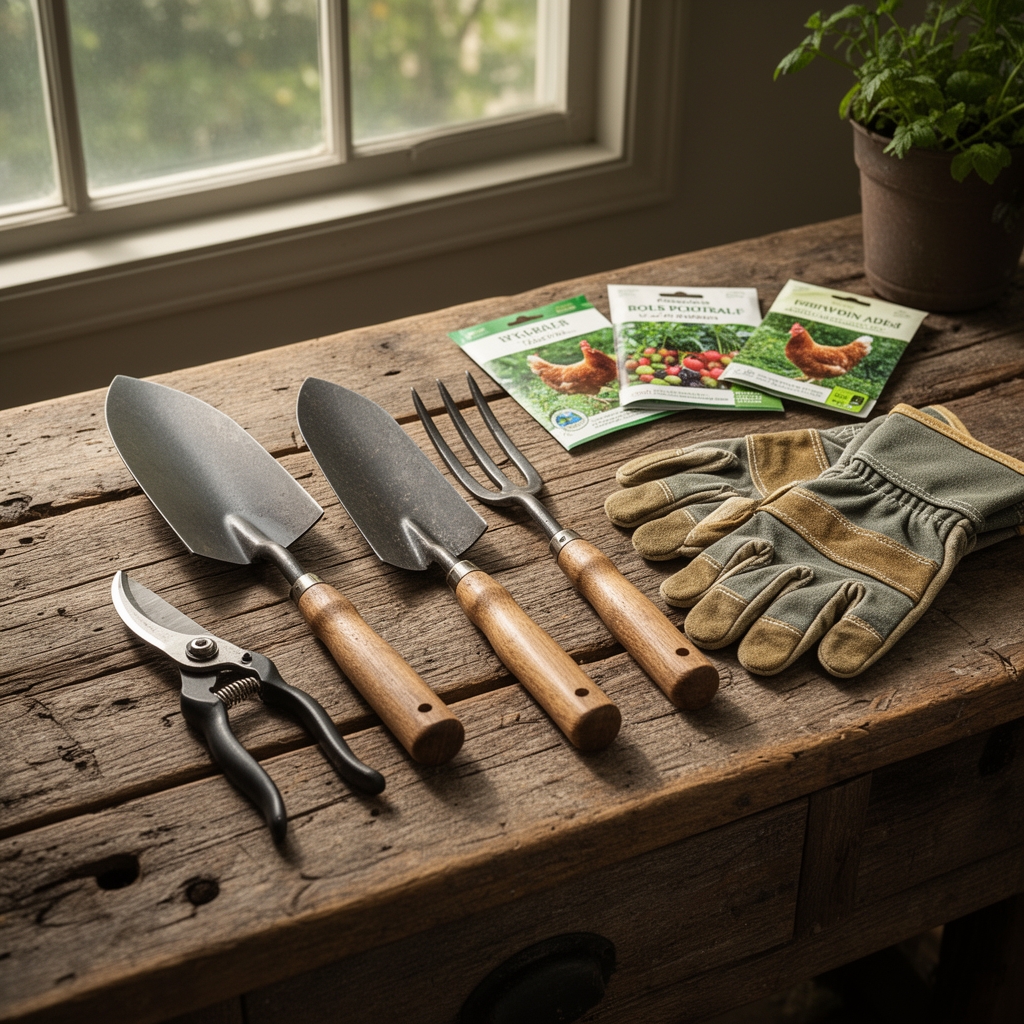
Materials and Supplies
Fencing and Rotation Infrastructure:
- Portable electric poultry netting (48 inches tall, 164 feet per roll)
- Galvanized T-posts (6 feet, set 18 inches deep)
- Chicken wire (1/4-inch mesh for young birds, 1/2-inch for adults)
- Movable A-frame tractors (4×8 feet minimum per 3-4 hens)
Soil Amendments and Testing:
- Digital pH meter (target range 6.0-7.0 for most vegetables)
- Balanced organic fertilizer (5-5-5 NPK for initial bed prep)
- Composted chicken manure (aged 6+ months, pH 6.5-7.5)
- Agricultural lime (for pH adjustment in acidic soils below 6.0)
- Greensand or kelp meal (potassium source, 0-0-3 NPK)
Seeds and Transplants:
- Chicken-tolerant ground covers: clover, vetch, comfrey
- Protected crops: tomatoes, peppers, eggplants (require 100% exclusion)
- Semi-tolerant crops: kale, chard, mature squash plants (can handle supervised foraging)
- Cover crops: buckwheat, oats, field peas (60-90 day cycles between rotations)
Watering and Mulch:
- Drip irrigation tape (1 GPH emitters every 12 inches)
- Straw mulch (4-6 inches, weed-free)
- Rain barrel system (minimum 55 gallons per 100 square feet)
Timing and Growing Schedule
Map your garden to Hardiness Zones before selecting varieties. Zone 5 gardeners start seeds indoors 6-8 weeks before last frost (typically mid-May), while Zone 8 gardeners can direct-sow by late February. Your Days to Maturity (DTM) determines rotation schedules with chickens.
Spring planting (March through May in temperate zones) focuses on brassicas, lettuce, and peas. These crops mature in 45-75 days, creating a window for chicken integration after harvest. Summer crops (tomatoes, peppers, cucumbers) require 70-90 DTM and need total protection during growth. Fall rotations (August through September) work perfectly for chicken forage integration, as birds clean up spent summer crops while fertilizing for next season's amendments.
Plan three distinct zones in your garden layout. Zone 1 remains permanently fenced for active vegetable production. Zone 2 serves as the transition area where chickens access spent beds for 2-4 weeks post-harvest. Zone 3 functions as permanent chicken range with edible perennials and deep mulch.
Step-by-Step Instructions
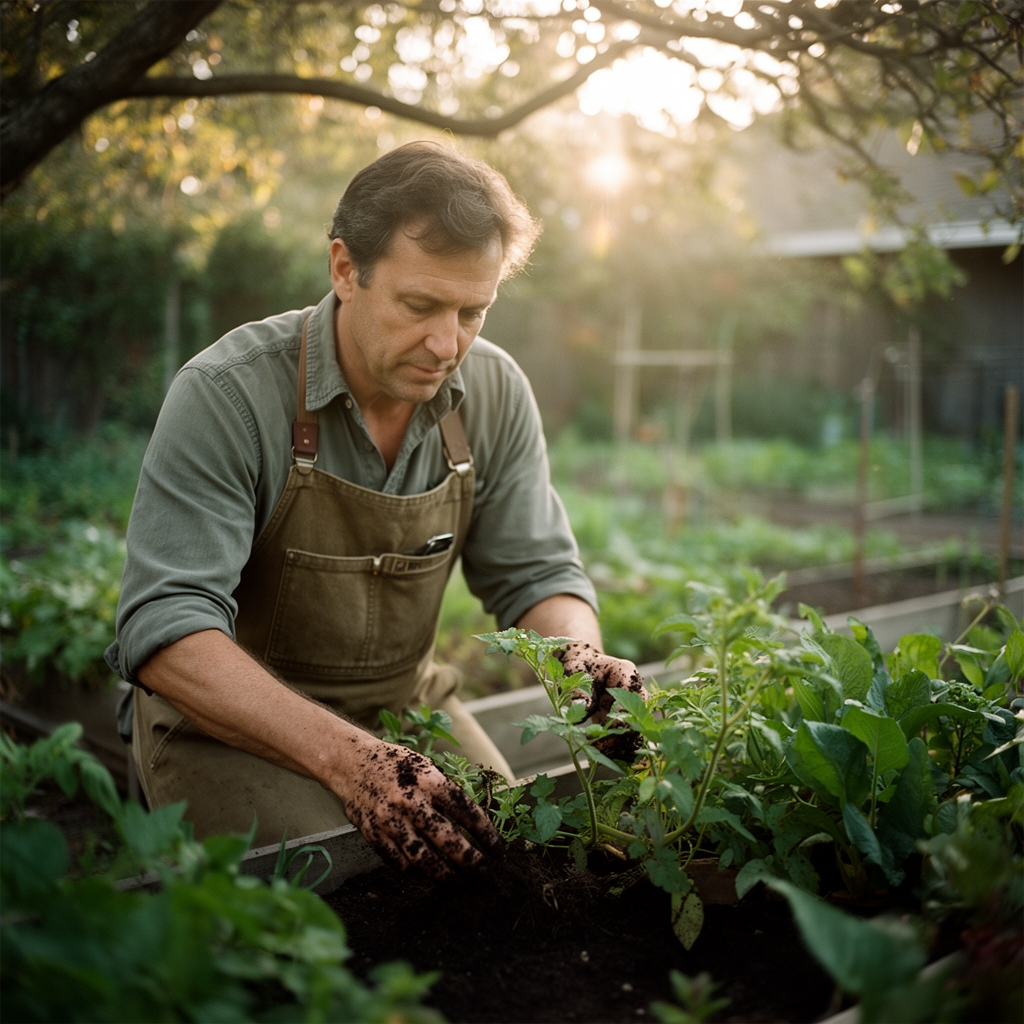
Phase 1: Initial Site Preparation (Weeks 1-2)
Remove existing grass using a sod cutter or sheet mulching method. Lay cardboard directly on turf, wet thoroughly, then cover with 8-10 inches of mixed compost and aged wood chips. This smothers grass while building soil structure without tilling. Test soil pH and adjust accordingly; most vegetables thrive between 6.2-6.8.
Install permanent perimeter fencing at least 6 feet tall to exclude predators. Bury hardware cloth 12 inches below ground and extend outward 12 inches in an L-shape to prevent digging predators. This creates the secure envelope for your rotation system.
Pro-Tip: Add biochar to beds at 5-10% by volume before chickens ever access the space. It absorbs excess nitrogen from their droppings, preventing nutrient burn on future transplants while building long-term soil carbon.
Phase 2: Establishing Chicken-Safe Zones (Weeks 3-4)
Create movable barriers using cattle panels (16 feet long, 50-inch height) bent into hoops and covered with poultry netting. These temporary structures protect young transplants while allowing you to shift chicken access weekly. Position them over freshly planted beds, removing only when plants reach 12-18 inches and develop woody stems.
Plant chicken forage corridors using perennial herbs like comfrey, oregano, and thyme along permanent fence lines. These plants tolerate heavy browsing and provide medicinal benefits for your flock while stabilizing paths with deep roots.
Pro-Tip: Scatter mycorrhizal fungi inoculant (apply 1 teaspoon per transplant hole) before setting vegetables. This symbiotic relationship increases phosphorus uptake by 300%, helping plants outgrow chicken damage faster if birds breach barriers.
Phase 3: Integration and Rotation Cycles (Weeks 5-12)
Begin rotating chickens into Zone 2 areas after vegetable harvest. Allow 3-5 birds per 100 square feet for 2-3 weeks maximum. They'll consume pest larvae, weed seeds, and crop residue while depositing manure. Monitor scratching depth; if birds excavate deeper than 2 inches, reduce flock size or time allowed.
Seed cover crops immediately after removing chickens. Broadcast oats or buckwheat at 3-4 pounds per 1,000 square feet, rake lightly, and water daily for 5 days. These fast-growing covers stabilize nitrogen from chicken manure and prevent leaching during rain events.
Pro-Tip: Time chicken rotations to coincide with soil temperature drops below 50°F in fall. Cold soil slows nitrogen release from manure, preventing waste. Spring rotations work best when soil warms past 55°F, activating beneficial bacteria that process droppings efficiently.
Phase 4: Permanent Planting for Dual Use (Ongoing)
Establish perennial vegetables in Zone 3 that benefit from constant chicken presence. Asparagus, rhubarb, and Egyptian walking onions tolerate scratching once established (year 2+). Plant these in 8-inch raised mounds to elevate crowns above the disturbed layer where chickens forage.
Create dust-bathing stations using 3×3 foot areas filled with equal parts sand, wood ash, and diatomaceous earth. Position these away from vegetable beds to concentrate chicken activity where it won't harm crops.
Pro-Tip: Install nitrogen-fixing shrubs like Siberian pea shrub or autumn olive along the chicken run perimeter. Their root nodules host bacteria that convert atmospheric nitrogen into plant-available forms, supplementing the fertility chickens provide.
Nutritional and Environmental Benefits
Vegetables grown in chicken-integrated systems contain 18-23% higher levels of phosphorus and potassium compared to synthetic-fertilizer-fed crops, according to research from Rodale Institute's long-term trials. The slow release of nutrients from composted manure creates steady availability rather than the boom-bust cycles of water-soluble fertilizers.
Chickens reduce pesticide needs by up to 70% in dual-purpose gardens. A small flock of six hens consumes approximately 15 pounds of insects monthly during peak season, targeting hornworms, grasshoppers, and beetle larvae that devastate crops. This predation creates habitat for beneficial insects like ground beetles and parasitoid wasps, which provide secondary pest control.
The scratching behavior of chickens, while sometimes problematic for tender plants, improves soil aggregation and increases water infiltration by 30-40%. Light disturbance breaks up surface crusts and incorporates organic matter into the top 3 inches of soil where most feeder roots exist. This aeration supports populations of earthworms, which increase by 200-300% in rotationally grazed garden systems compared to static beds.
Your dual-purpose garden also supports pollinators. Allowing sections to flower before chicken integration (especially brassicas, which produce abundant nectar) attracts mason bees and native bumblebees. These solitary species nest in the undisturbed soil margins between rotated zones, increasing pollination rates for fruiting vegetables by 40-60%.
Advanced Methods
Small Space Adaptations (Under 500 Square Feet):
Use vertical growing to maximize protected vegetable space. Train tomatoes, cucumbers, and beans up 6-foot trellises, keeping root zones inside 12-inch raised beds protected by poultry netting skirts. Allow chickens to forage the ground level while crops grow overhead.
Install a mobile chicken coop (4×6 feet for 4 birds) on wheels. Move it weekly across dormant beds, concentrating fertility without needing complex fencing systems. This works exceptionally well in urban settings with limited square footage.
Organic and Permaculture Integration:
Layer functions by planting nitrogen-fixing cover crops like hairy vetch or crimson clover specifically as chicken forage. Birds eat tender tips while roots deposit nitrogen, creating a fertility cycle that requires zero external inputs. Mow remaining biomass as mulch for vegetable beds.
Establish guild plantings around permanent perennials. Circle asparagus crowns with chives (pest deterrent), comfrey (dynamic accumulator), and nasturtiums (trap crop). Chickens forage around this polyculture without damaging the central crop, while benefiting from diversity.
Season Extension Techniques:
Combine low tunnels with strategic chicken integration. Cover beds with 4-mil greenhouse plastic over wire hoops from October through March in Zone 6-7. This extends harvests by 6-8 weeks while keeping chickens out during winter when their scratching would damage cold-tender crops like spinach and lettuce.
Use chickens as living tillers before spring planting. Concentrate 8-10 birds per 100 square feet on tarped beds for 3-5 days. They'll break up compacted soil, eat weed roots, and deposit manure. Follow immediately with cover crops or direct seeding to capture the nitrogen pulse.
Troubleshooting
Symptom: Chickens completely destroy young transplants within hours of bed access.
Solution: Wait until transplants develop at least 4 true leaves and 1/4-inch stem diameter. Install temporary 18-inch wire cages around individual plants for the first 14 days after chicken introduction. Remove cages once stems lignify (become woody).
Symptom: Excessive nitrogen causes lush vegetable foliage but poor fruiting.
Solution: Dilute fresh chicken manure impact by composting for 6-9 months before application. Test soil nitrogen levels using a basic NPK kit; if readings exceed 50 ppm, skip additional fertilizer and plant nitrogen-hungry crops like corn or brassicas to balance the system.
Symptom: Chickens create bare patches and dust bowls in high-traffic areas.
Solution: Rotate flock access every 7-10 days maximum. Immediately seed disturbed areas with fast-germinating ryegrass (7 days to emergence) or white clover. Add 6 inches of wood chip mulch to paths where birds congregate to protect soil structure.
Symptom: Vegetables show signs of calcium deficiency (blossom end rot) despite adequate watering.
Solution: Chicken manure contains high phosphorus, which can bind calcium in soil. Apply calcium sulfate (gypsum) at 2 pounds per 100 square feet annually. This provides calcium without altering pH and remains available even in phosphorus-rich environments.
Symptom: Garden smells strongly of ammonia, indicating nitrogen volatilization.
Solution: Stop allowing chickens into wet beds. Moisture activates urea conversion to ammonia gas, wasting fertility and potentially damaging plant roots. Wait until soil surface dries to a depth of 2 inches before introducing birds. Cover fresh droppings with carbon-rich materials like leaves or straw within 24 hours to capture nitrogen.
Storage and Maintenance
Water dual-purpose gardens with 1-1.5 inches per week, delivered through drip irrigation rather than overhead sprinklers. This prevents manure from splashing onto foliage, reducing disease transmission risk. Install soil moisture sensors at 6-inch depth; irrigate when readings drop below 50% field capacity.
Apply compost tea biweekly during active growth, using 5 gallons per 100 square feet. Brew for 24-36 hours using a ratio of 1 pound finished compost (including aged chicken manure) per 5 gallons water. This inoculant restores beneficial bacteria that chickens disturb during foraging.
Feed laying hens 1/4 pound of 16% protein layer feed per bird daily when they have garden access. Reduce to 1/8 pound if significant forage (25%+ of diet) comes from insects and greens they find during rotation. Free-choice oyster shell should always be available to maintain strong eggshells.
Harvest vegetables in morning hours before chickens enter recently opened zones. Store root crops in damp sand at 32-40°F with 90-95% humidity. Leafy greens hold best at 32°F with high humidity but consume within 7-10 days. Tomatoes and peppers store at 50-55°F; never refrigerate as cold damages cell structure.
Clean and rotate chicken water sources daily to prevent biofilm buildup, which can transmit coliforms to garden soil via droppings. Position waterers on hardware cloth platforms to prevent muddy conditions that attract flies and harbor pathogens.
Conclusion
Success in dual-purpose gardening depends on treating chickens and vegetables as partners in a managed ecosystem, not competitors for the same space. Your rotation schedule, barrier systems, and soil monitoring create the framework that allows both to thrive without compromise. The fertility boost, pest control, and reduced input costs make this integration worthwhile for anyone with 300+ square feet willing to invest in basic infrastructure. Join your local permaculture guild or extension office workshops to see successful systems in action and adapt proven strategies to your specific climate and soil conditions.
Expert FAQs
How many chickens can safely forage in a 400 square foot vegetable garden without damaging crops?
Limit density to 3-4 standard breed chickens per 400 square feet during rotation periods, which should last no longer than 10-14 days per zone. Bantam breeds can increase to 6-7 birds due to lighter body weight and less aggressive scratching. Always provide alternative forage areas so birds aren't desperate for food, which intensifies destructive behaviors.
What vegetables are completely chicken-proof and can be grown without protective fencing?
Mature plants with tough, bitter foliage resist chicken browsing. Established kale (after 60+ days), mature winter squash (once vines lignify), and most alliums (onions, garlic, leeks) survive chicken contact. Asparagus ferns and horseradish actually benefit from light trampling. Avoid exposing young transplants or anything with tender, sweet leaves like lettuce or chard.
How long must chicken manure compost before it's safe to apply near vegetable roots?
Fresh manure reaches safe application status after hot composting (130-150°F) for 3 months or cold composting for 6-9 months. The higher temperature kills pathogens like Salmonella and E. coli while stabilizing nitrogen to prevent root burn. Apply finished compost at 1-2 inches depth, working into the top 4 inches of soil at least 14 days before planting.
Can chickens graze cover crops, or should those areas remain off-limits?
Chickens excel at grazing specific cover crops at optimal growth stages. Allow them to forage buckwheat at flowering (day 35-45), oats before seed set (day 60-70), and clover any time after establishment. They'll consume tender growth while trampling residue into soil. Avoid grazing rye or wheat covers after they exceed 12 inches, as mature stalks provide little nutrition and excessive trampling causes compaction.
What's the minimum coop-to-garden distance to prevent excessive nitrogen concentration in one area?
Position permanent coops at least 30 feet from active vegetable beds. This prevents nitrogen overload from concentrated night droppings under roosts. Clean bedding weekly from coops and hot-compost before garden application. If space constraints force closer placement, install a 12-inch gravel barrier around the coop foundation to absorb excess nutrients before they leach into growing areas.