8 Steps to Make a DIY Self-Watering Container for Your Balcony Vegetables
The smell of wet potting mix in the morning, earthy and almost fungal, means you've done something right. When your fingers press into that perfect loam, somewhere between soggy and dust-dry, you know your container garden has hit its stride. Most balcony gardeners lose crops not to pests or disease but to inconsistent watering. One scorching afternoon ruins weeks of careful tending. Learning the steps for making a DIY self-watering vegetable container changes that equation completely. This system delivers moisture directly to root zones while preventing the waterlogged disasters that kill more tomatoes than blight ever could.
Self-watering containers operate on capillary action. Water sits in a reservoir below the soil, wicking upward through the growing medium as roots pull moisture. No daily hand-watering. No guilt over weekend trips. The science mirrors how wetland plants naturally hydrate, and the results speak loudest in August when neighboring pots turn crispy while yours stay lush.
Materials & Supplies
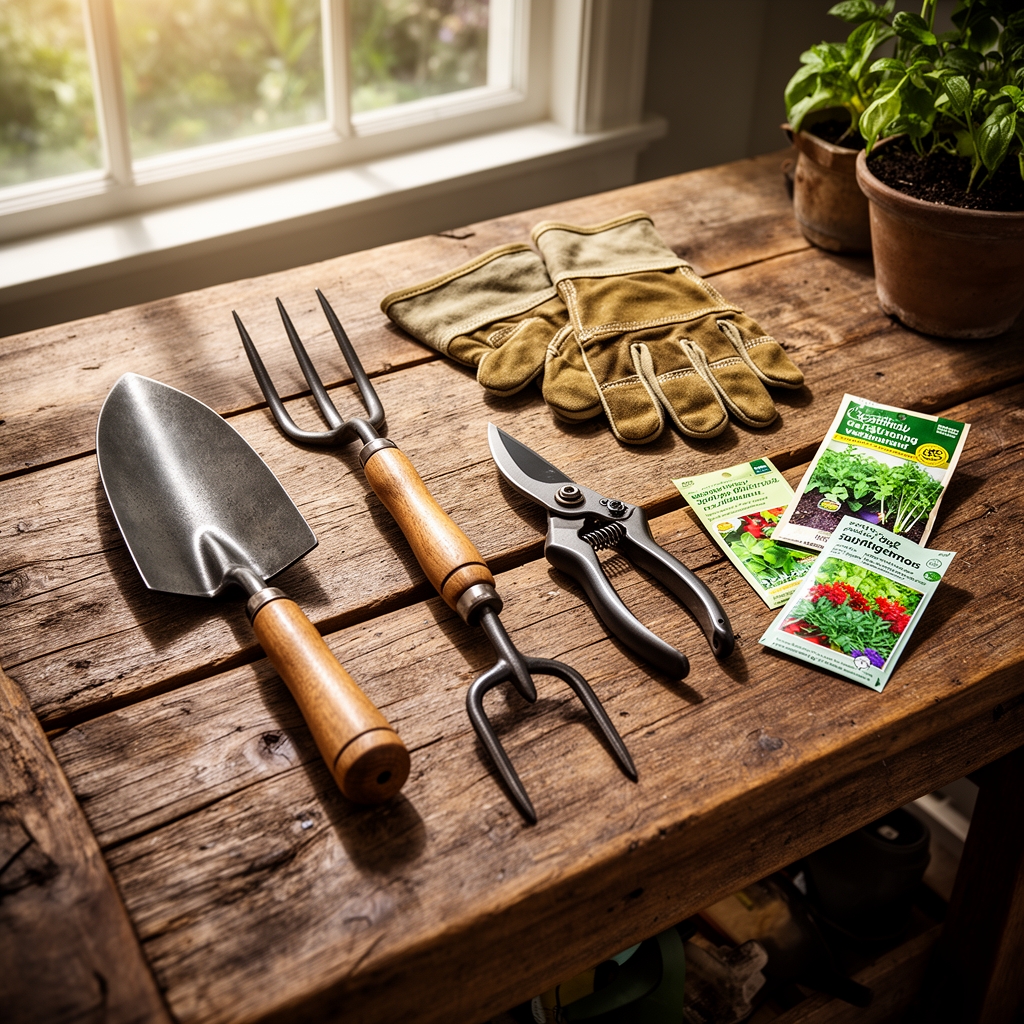
Container Components:
- Two 5-gallon food-grade buckets (one will nest inside the other)
- 3/4-inch PVC pipe, 12 inches long (creates fill tube)
- Plastic yogurt container or 16-oz deli cup (becomes water reservoir basket)
- Drill with 1/8-inch and 3/4-inch bits
Growing Medium (pH 6.0-6.8):
- 50% coconut coir (retains moisture, prevents compaction)
- 30% perlite (improves drainage and oxygen availability)
- 20% vermicompost (feeds beneficial bacteria, adds humic acid)
- 1/4 cup dolomitic lime per 5 gallons (stabilizes pH, adds calcium and magnesium)
Fertilizers:
- Balanced organic 5-5-5 NPK at planting (slow-release over 8 weeks)
- High-phosphorus 2-8-4 NPK for fruiting phase (tomatoes, peppers, eggplant)
- Fish emulsion 5-1-1 NPK for leafy greens (quick nitrogen boost)
Optional Enhancements:
- Mycorrhizal fungi inoculant (increases phosphorus uptake by 300%)
- Rock phosphate (long-term phosphorus, feeds soil biology)
- Kelp meal (trace minerals, natural growth hormones)
Timing & Growing Schedule
Hardiness Zones: This system works in USDA Zones 3-11. In Zones 7-11, you can grow year-round with crop rotation. Zones 3-6 benefit most from April through October operations.
Seed Starting Windows:
- Cool-season crops (lettuce, spinach, kale): Start indoors 6 weeks before last frost. Transplant when soil temps hit 45°F.
- Warm-season crops (tomatoes, peppers, cucumbers): Start indoors 8 weeks before last frost. Transplant only after nighttime temps stay above 55°F.
Days to Maturity (from transplant):
- Lettuce: 30-45 days
- Cherry tomatoes: 55-65 days
- Bell peppers: 65-75 days
- Bush cucumbers: 50-60 days
Track your local frost dates through your county extension office. Microclimate variations on balconies (south-facing walls, heat reflection) can push your effective zone up by one number.
Step-by-Step Instructions
Step 1: Drill the Reservoir Basket
Drill twelve 1/8-inch holes around the sides and bottom of your yogurt container. This basket sits in the lower bucket and holds water while letting roots penetrate for hydration.
Pro-Tip: Drill holes at a slight upward angle (about 15 degrees). This prevents soil from clogging entry points while maintaining strong capillary flow.
Step 2: Create the Outer Bucket Base
Mark a circle on the bottom-center of one bucket using the reservoir basket as your template. Cut out this circle, leaving a 1-inch lip. The basket will nest here, suspended above the true bottom.
Step 3: Install the Fill Tube
Drill a 3/4-inch hole 2 inches below the rim of the outer bucket. Insert your PVC pipe at a 45-degree angle so it reaches the bottom reservoir. This becomes your watering access point.
Pro-Tip: Roughen the inside of the PVC with sandpaper before installing. Smooth pipes create air pockets that gurgle and slow filling.
Step 4: Drill Drainage Overflow
Drill a 1/4-inch hole 3 inches above the bucket bottom on the outer container. This overflow prevents root drowning during heavy rains. Mark it clearly with permanent marker.
Pro-Tip: Position the overflow hole opposite the fill tube. This forces water circulation through the entire reservoir, preventing stagnant zones that breed anaerobic bacteria.
Step 5: Nest the Inner Bucket
Drill twenty 1/8-inch holes scattered across the bottom of your second bucket. This perforated container sits inside the outer one, resting on the reservoir basket. Roots grow here, separated from standing water but close enough to wick moisture.
Step 6: Add Wicking Chamber Soil
Fill the reservoir basket with your growing medium, packing firmly. This soil column acts as a wick, drawing water upward through capillary action. Moisture moves 8-10 inches vertically in quality potting mix.
Pro-Tip: Pre-moisten this wicking soil before assembly. Dry soil resists initial water absorption, and you'll waste 20 minutes waiting for it to saturate during first filling.
Step 7: Fill the Growing Container
Pour your prepared growing medium into the inner bucket to within 2 inches of the rim. Water thoroughly from the top during this first fill to eliminate air pockets and establish the moisture gradient between reservoir and root zone.
Step 8: Transplant Your Seedlings
Set plants at the same depth they grew in starter pots. Firm soil around root balls, eliminating gaps. Water again from the top to settle roots. After this initial top-watering, all future hydration happens through the fill tube.
Pro-Tip: Add a 1-inch mulch layer (straw, shredded leaves, or coconut coir) after transplanting. This keeps soil temps 10°F cooler during summer heat and slows moisture evaporation from the surface.
Nutritional & Environmental Benefits
Self-watering containers reduce water waste by 40-60% compared to traditional pots. That efficiency matters in drought-prone regions and apartment settings where runoff damages balcony surfaces below.
The consistent moisture creates ideal conditions for nitrogen-fixing bacteria if you grow legumes (peas, beans). These microbes convert atmospheric nitrogen into plant-available forms, reducing fertilizer needs by half.
Vegetables grown in optimized conditions contain higher mineral densities. Tomatoes from well-watered plants show 23% more lycopene and 15% more vitamin C than stress-grown fruits. Consistent hydration prevents the blossom-end rot that ruins calcium uptake.
Balcony containers support urban pollinators when you include herbs (basil, oregano, cilantro flowers). Mason bees and small native bees visit these compact ecosystems, increasing fruit set on tomatoes and peppers by 30%. Position containers to create pollinator corridors between neighboring balconies.
Advanced Methods
Small Space Optimization:
Stack two self-watering systems vertically using sturdy shelving. Grow lettuce and herbs in the upper container (gets most light), root vegetables like carrots in the lower (tolerates partial shade). This doubles your growing area within the same footprint.
Organic & Permaculture Integration:
Add red wiggler worms directly to your growing medium (10-15 worms per 5 gallons). They process organic matter continuously, creating fresh castings and improving soil structure. Their movement aerates root zones without mechanical intervention.
Companion plant strategically. Basil planted beside tomatoes repels aphids and whiteflies through volatile oil production. Nasturtiums at container edges act as trap crops, drawing pests away from main vegetables.
Season Extension Techniques:
In Zones 5-7, extend harvests 4-6 weeks by wrapping clear plastic around container edges in October, creating a mini greenhouse. Leave the top open for air circulation. This simple modification keeps soil temps above 50°F during early cold snaps.
For true cold-season growing, move containers against south-facing walls where reflected heat creates a microzone 1-2 zones warmer than ambient conditions.
Troubleshooting
Symptom: Wilting plants despite full reservoir.
Solution: Check for salt buildup on soil surface (white crust). Flush system by top-watering with 2 gallons of clean water, letting it drain through overflow. Salt accumulation blocks water absorption. Repeat monthly in hard-water areas.
Symptom: Algae growing in fill tube or visible through drainage holes.
Solution: Cover the reservoir completely. Light triggers algae growth. Wrap aluminum foil around the fill tube or insert a foam pipe insulator. Paint the outer bucket dark colors to block light penetration through plastic.
Symptom: Sour smell from overflow hole, stunted root growth.
Solution: Anaerobic conditions developed. Empty reservoir completely. Drill four additional 1/8-inch holes in the inner bucket bottom for better oxygen exchange. Add 1 tablespoon of 3% hydrogen peroxide to reservoir water weekly to oxygenate.
Symptom: Plants yellow from bottom up, slow growth despite adequate water.
Solution: Nitrogen deficiency. The constant moisture leaches nitrogen faster than in standard pots. Switch to weekly liquid feeding (fish emulsion at half-strength) or incorporate 2 tablespoons of blood meal (12-0-0 NPK) into the top 2 inches of soil.
Symptom: Fruit cracking on tomatoes, peppers split at shoulders.
Solution: Extreme moisture fluctuations. You let the reservoir go completely dry, then refilled. Fruits absorbed water too rapidly. Maintain consistent reservoir levels between half-full and full. Check every 3 days during peak growth.
Storage & Maintenance
Daily Monitoring (weeks 1-2 after transplant):
Check reservoir levels daily while roots establish and reach the moisture gradient. Young transplants haven't developed the root mass to access wicked water efficiently yet.
Weekly Watering (established plants):
In moderate climates (70-80°F), 5-gallon systems need refilling every 5-7 days. During heat waves (85°F+), check every 3 days. A mature tomato plant transpires 1 gallon daily in peak summer.
Insert a wooden dowel through the fill tube to measure water depth. Mark "full" and "refill" lines with permanent marker. Refill when water drops to 1 inch above reservoir bottom.
Feeding Schedule:
- Weeks 1-4: No additional fertilizer needed if you incorporated slow-release 5-5-5 at planting
- Weeks 5-8: Begin weekly liquid feeding at half package strength
- Weeks 9 through harvest: Increase to full-strength weekly feeding, switching to high-phosphorus formulas (2-8-4) when flowers appear
Seasonal Maintenance:
Before first frost in cold climates, empty reservoirs completely. Water left in the system freezes, cracking plastic. Store empty containers stacked and covered. Clean thoroughly with 10% bleach solution before spring planting to eliminate disease pathogens.
Post-Harvest Storage:
Root vegetables (carrots, beets) store 3-4 months in perforated plastic bags at 32-40°F with 95% humidity. Tomatoes keep 1-2 weeks at room temperature, never refrigerated (cold breaks down flavor compounds). Peppers last 2 weeks in refrigerator crisper drawers.
Leafy greens stay fresh 7-10 days when washed, dried completely, and stored in containers lined with paper towels to absorb excess moisture.
Success Blueprint
Self-watering containers transform balcony growing from a daily chore into a weekly check-in, delivering consistent moisture that produces healthier plants and bigger yields. The initial 90-minute build creates a system that functions reliably for 5-7 seasons with minimal repairs. Start with one container to master the technique, then expand your balcony farm once you see August tomatoes thriving while neighbors hand-water twice daily.
Share your successful self-watering builds with local community gardens or apartment building neighbors. Teaching others multiplies urban food production and creates resilient local food networks. Post photos with specific measurements and crop results so fellow growers can replicate your success.
Expert FAQs
How often do self-watering containers need refilling in summer heat?
Every 3-5 days during temperatures above 85°F, depending on plant size and sun exposure. Mature fruiting plants (tomatoes, cucumbers) drain reservoirs faster than leafy greens. Check by inserting a dowel through the fill tube to measure remaining water depth.
Can you use garden soil instead of potting mix in self-watering containers?
Never use straight garden soil. It compacts under constant moisture, eliminating the air pockets roots need for respiration. Clay-heavy soils also wick poorly. Always use a soilless mix with at least 30% perlite or vermiculite to maintain structure and oxygen availability.
What vegetables work best in 5-gallon self-watering containers?
Cherry tomatoes (determinate varieties like 'Patio Princess'), bush cucumbers, peppers, eggplant, lettuce, spinach, Asian greens, herbs, and radishes excel. Avoid large indeterminate tomatoes, melons, and winter squash (they need 10+ gallons). Root depth matters more than spread.
Do self-watering containers prevent blossom-end rot in tomatoes?
They significantly reduce it by maintaining consistent calcium uptake. Blossom-end rot results from irregular watering that disrupts calcium transport, not calcium deficiency. The steady moisture these systems provide allows uninterrupted nutrient flow to developing fruits.
How do you winterize self-watering containers in cold climates?
Empty reservoirs completely before first hard freeze. Water expands when frozen, cracking plastic components. Remove all soil and plant material, wash with 10% bleach solution, rinse thoroughly, and store dry in a protected location. The buckets and components last 7-10 years with proper winter care.