8 Reasons to Use a Specialized Orchid Potting Mix
Orchid roots cling to tree bark in the wild, never touching soil. They drink from humid air and intermittent tropical downpours. When these epiphytes enter our homes, their root systems demand an environment that mimics canopy life: open air pockets, rapid drainage, and coarse particles that prevent suffocation. Using a specialized orchid potting mix recreates these conditions by combining bark chips, perlite, and charcoal instead of traditional peat-based substrates. Standard potting soil holds moisture against orchid roots for too long, triggering anaerobic conditions that destroy the velamen layer and invite root rot within weeks.
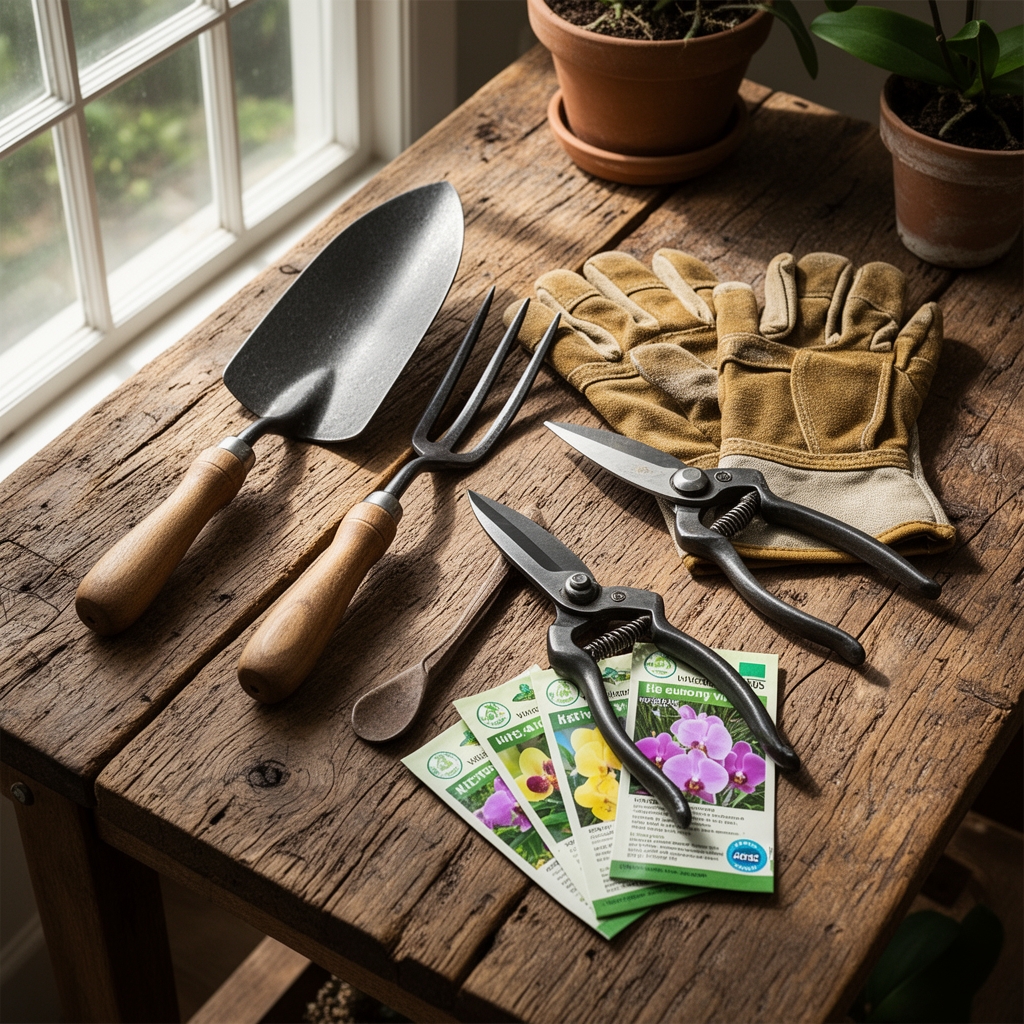
Materials
Bark Components (pH 5.5–6.5)
Fir bark chips in medium grade (0.5–0.75 inch) form the structural backbone of most orchid mixes. Douglas fir and Monterey pine bark provide lignin-rich surfaces that resist decomposition for 18–24 months. Orchid bark contains minimal nitrogen, so supplement with a 20-20-20 water-soluble fertilizer diluted to one-quarter strength. Redwood bark holds slightly more moisture and suits Phalaenopsis species.
Inorganic Amendments (pH Neutral)
Horticultural perlite (grade 3 or coarser) increases air porosity by 30 percent. Perlite particles maintain their structure indefinitely and prevent compaction. Horticultural charcoal absorbs dissolved salts and organic acids, buffering pH drift. Expanded clay aggregate (LECA) offers reusable, autoclavable media for growers managing viral disease risks. Lava rock contributes trace minerals: iron, magnesium, and calcium.
Organic Additives (NPK Variable)
Sphagnum moss (long-fiber New Zealand grade) retains moisture while allowing gas exchange through its cellular structure. Coconut husk chips decompose slower than coir peat and maintain a cation exchange capacity of 60–80 meq/100g. Tree fern fiber provides anchorage for aerial roots but carries ethical sourcing concerns. Composted hardwood bark (NPK approximately 4-4-4) adds slow-release nitrogen as the lignin breaks down.
Timing
Repot orchids every 18–24 months, immediately after flowering concludes and new root tips emerge. In USDA Hardiness Zones 10–11, repotting occurs year-round as long as nighttime temperatures remain above 55°F. For zones 4–9, schedule repotting between April 15 and June 30, after the last spring frost when lengthening photoperiods trigger auxin distribution toward root meristems. Cattleyas and Dendrobiums tolerate repotting during active growth. Paphiopedilums require repotting only when media decomposes into particles smaller than 0.25 inch. Avoid repotting within eight weeks of anticipated bloom, as root disturbance redirects carbohydrates away from inflorescence development.
Phases

Sowing (Asymbiotic Germination)
Orchid seeds lack endosperm and require mycorrhizal fungi or sterile agar media for germination. Home growers rarely start from seed. Asymbiotic germination demands laboratory conditions: autoclaved flasks, laminar flow hoods, and modified Knudson C medium containing sucrose, agar, and micronutrients. Protocorms emerge after 6–12 weeks at 75°F under 12-hour photoperiods. Transplant protocorms to community pots containing fine-grade bark (0.125–0.25 inch) mixed with chopped sphagnum at a 3:1 ratio.
Pro-Tip: Inoculate bark media with Rhizoctonia or Tulasnella fungi strains isolated from mature orchid roots to accelerate juvenile growth by 40 percent.
Transplanting
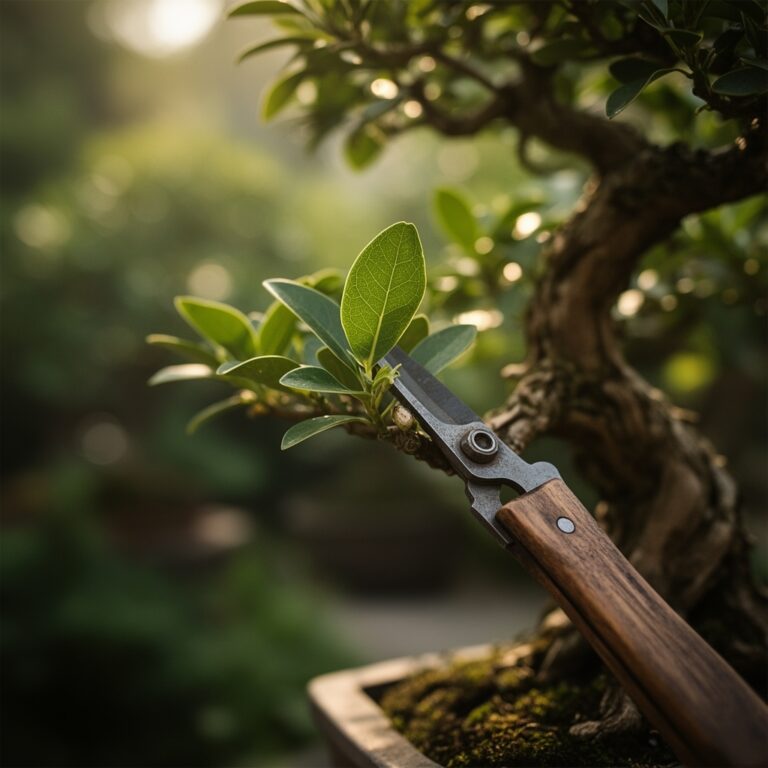
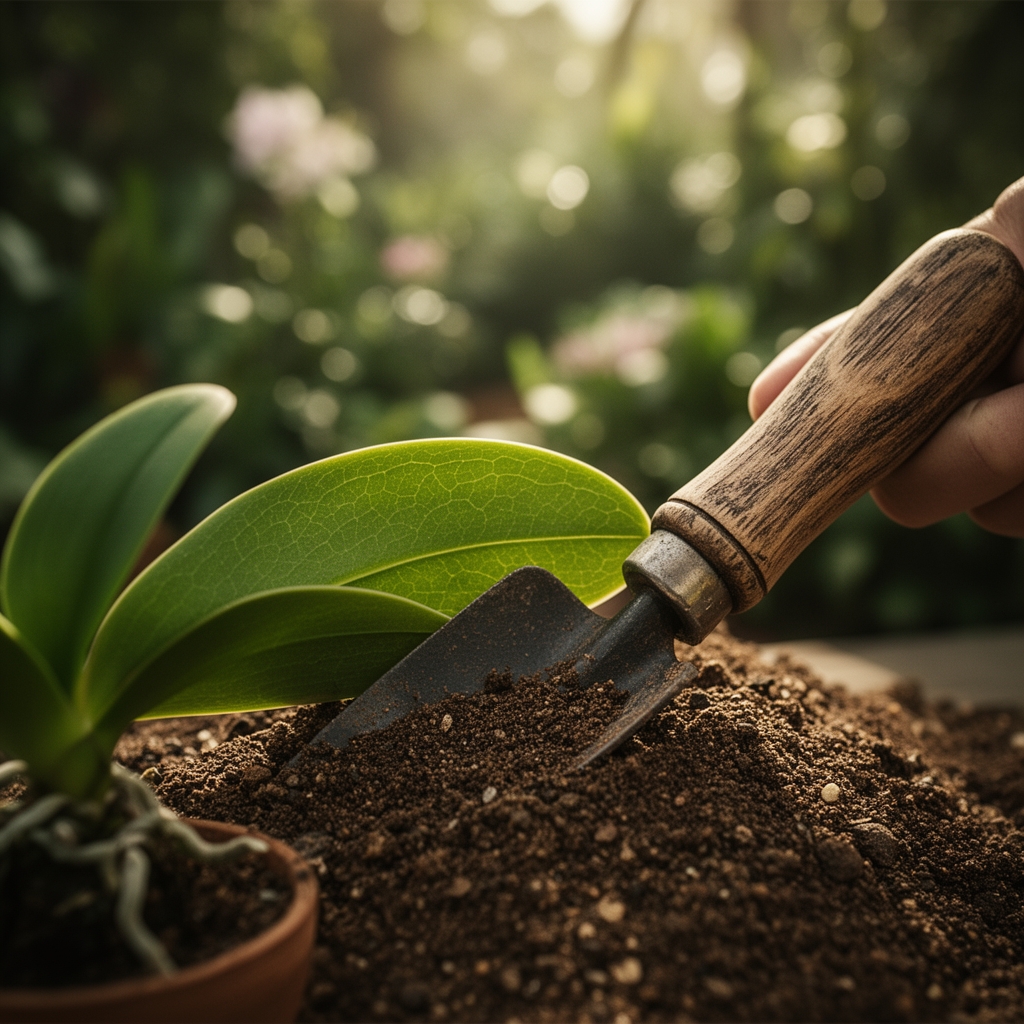
Remove the orchid from its container and rinse roots under lukewarm water to dislodge old media. Sterilize pruning shears with 70 percent isopropyl alcohol. Cut dead roots (brown, papery, hollow) flush with the rhizome using a 45-degree angle to minimize cut surface area. Healthy roots appear silver-green with firm, white velamen. Select a pot that accommodates two years of pseudobulb growth, typically 1–2 inches wider than the current root mass. Clay pots wick moisture from media faster than plastic, useful for Oncidiums and other species prone to crown rot. Position the oldest pseudobulb against the pot edge, allowing space for forward growth.
Pro-Tip: Dust cut surfaces with cinnamon powder (contains cinnamaldehyde, a natural antifungal) before placing roots in fresh media.
Establishing (Weeks 1–8)
Water sparingly for the first two weeks, misting roots daily instead of drenching media. New root tips are fragile and rot easily when saturated. Maintain 50–70 percent relative humidity using pebble trays or humidifiers. Position plants in east-facing windows with 1,000–2,000 foot-candles (10,000–20,000 lux) of indirect light. Resume fertilization in week three using a 30-10-10 formulation to promote root elongation over foliage. Stake flower spikes at a 60-degree angle to encourage upward growth and prevent snapping.
Pro-Tip: Apply mycorrhizal inoculant powder (Glomus intraradices) directly to root contact points for 25 percent faster establishment.
Troubleshooting
Symptom: Black, mushy roots with foul odor
Solution: Root rot from Pythium or Phytophthora. Remove all affected tissue. Bare-root the plant for 48 hours. Repot in fresh, sterile media. Drench with mefenoxam fungicide at label rate.
Symptom: Yellowing leaves with green veins (interveinal chlorosis)
Solution: Iron or magnesium deficiency exacerbated by high pH. Lower media pH by incorporating sulfur-coated urea. Foliar spray with chelated iron (Fe-EDDHA) at 150 ppm every two weeks.
Symptom: Silver trails and irregular holes on leaves
Solution: Slugs or snails. Apply iron phosphate bait pellets around pot base. Elevate pots on wire racks to eliminate ground contact.
Symptom: Sticky honeydew and sooty mold on foliage
Solution: Scale insects (Diaspididae family). Swab individual scales with isopropyl alcohol on cotton swabs. Spray horticultural oil (2 percent solution) weekly for three applications.
Maintenance
Water orchids when bark chips turn light gray and the pot feels light when lifted. This typically occurs every 5–7 days in summer, 10–14 days in winter. Apply 0.5 cups of water per 4-inch pot, allowing excess to drain completely. Never let pots sit in saucers of standing water. Fertilize weekly from March through September with a 20-20-20 formula at 200 ppm nitrogen. Reduce fertilization to monthly during dormancy. Flush media with plain water every fourth watering to prevent salt accumulation (evidenced by white crust on bark). Maintain nighttime temperatures 10–15°F cooler than daytime to trigger blooming in Phalaenopsis. Prune spent flower spikes 0.25 inch above the third node to encourage secondary spikes.
FAQ
How long does orchid potting mix last?
Bark-based mixes decompose into particles smaller than 0.25 inch within 18–24 months. Replace media when drainage slows or bark crumbles between fingers.
Can I reuse orchid potting mix?
No. Used media harbors pathogens and accumulated salts. Compost old bark or discard. LECA and lava rock can be sterilized by boiling for 20 minutes and reused.
What NPK ratio suits orchids best?
Use 30-10-10 during active growth (spring/summer) to support vegetative development. Switch to 10-30-20 in fall to promote flowering.
Do orchids need fertilizer in winter?
Reduce fertilization to once monthly at half strength. Orchids in active growth under supplemental lighting require consistent feeding year-round.
Why do orchid roots grow outside the pot?
Aerial roots seek humidity and light. This behavior is normal. Mist aerial roots daily and avoid trimming unless desiccated and brown.