8 Critical Steps to Winterize Indoor Tropical Plants
The first frost advisory arrives, and the air inside your home shifts. Humidity drops below 40 percent. Heating systems pull moisture from the air while your Monstera deliciosa and Ficus lyrata face conditions their ancestral rainforest genetics never evolved to handle. Steps for winterizing indoor tropical plants begin in late September for USDA Hardiness Zones 5-7, earlier for northern climates. Without intervention, leaf margins brown, auxin distribution stalls, and root systems enter dormancy at the wrong time.
Materials
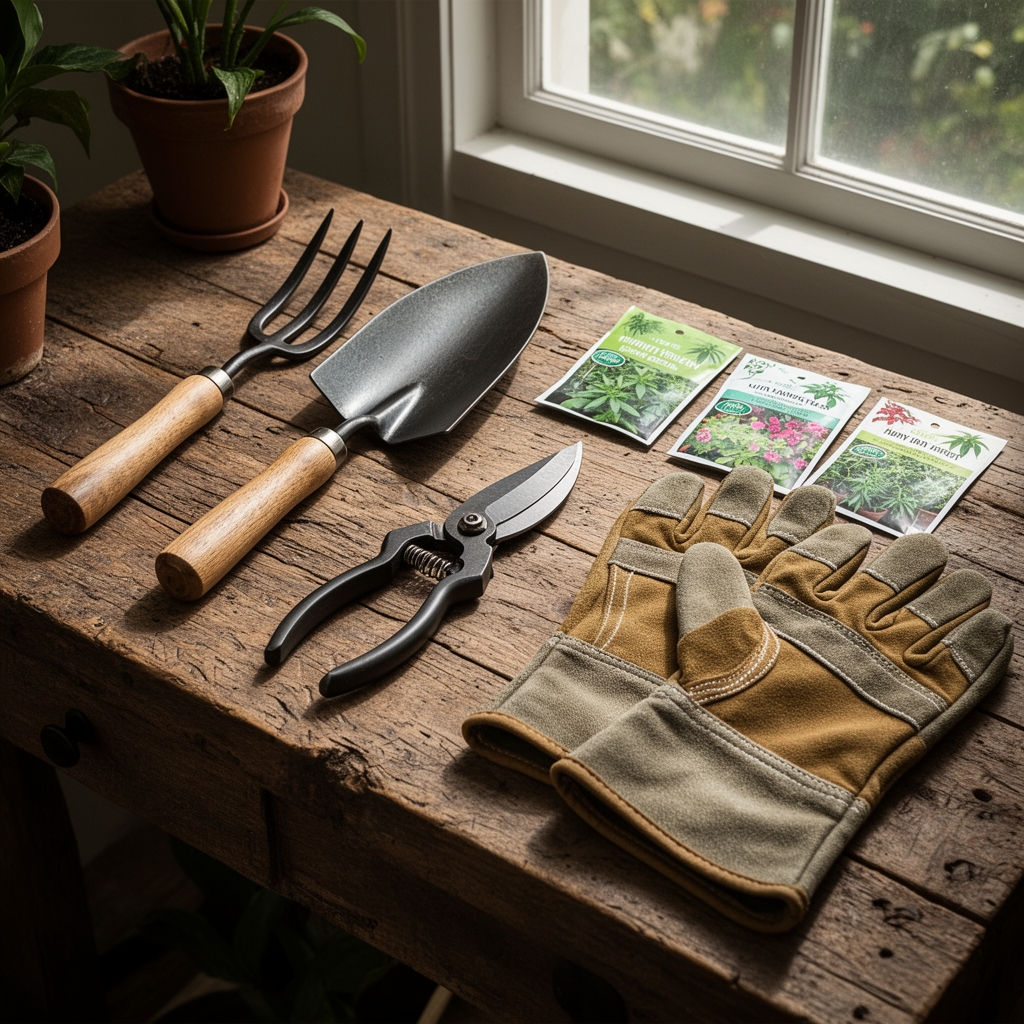
Gather inputs before temperatures drop below 55°F at night. You need a complete fertilizer with an NPK ratio of 3-1-2 or 4-4-4 for slow-release feeding. Look for organic meals: kelp (1-0.1-2), bone meal (3-15-0), and blood meal (12-0-0) blended to match the target ratio. Soil amendments must include perlite or pumice at 20 percent by volume to maintain drainage. Purchase a pH meter calibrated between 5.5 and 6.5, the optimal range for most tropical species. Mycorrhizal fungi inoculant, specifically Glomus intraradices, enhances phosphorus uptake when root growth slows. Neem oil concentrate at 70 percent azadirachtin serves as your primary pest deterrent. Humidifiers capable of maintaining 50-60 percent relative humidity are non-negotiable. A full-spectrum grow light with a color temperature of 5000-6500K and PAR output above 200 micromoles compensates for shortened photoperiods.
Timing
Begin winterization protocols six weeks before your regional first frost date. For Zone 5, this means mid-September. Zone 6 allows until early October. Zone 7 and warmer zones should start by mid-October. Indoor tropical plants require acclimation periods. Sudden environmental shifts trigger stress responses that manifest as leaf drop and stunted growth. Phalaenopsis orchids need three weeks to adjust to reduced watering schedules. Calathea species require four weeks to adapt to lower light intensity. Monitor overnight low temperatures. When outdoor temperatures consistently fall below 50°F, complete all repotting and pruning activities. Root disturbance after this threshold compromises winter survival rates.
Phases
Assessment and Pruning
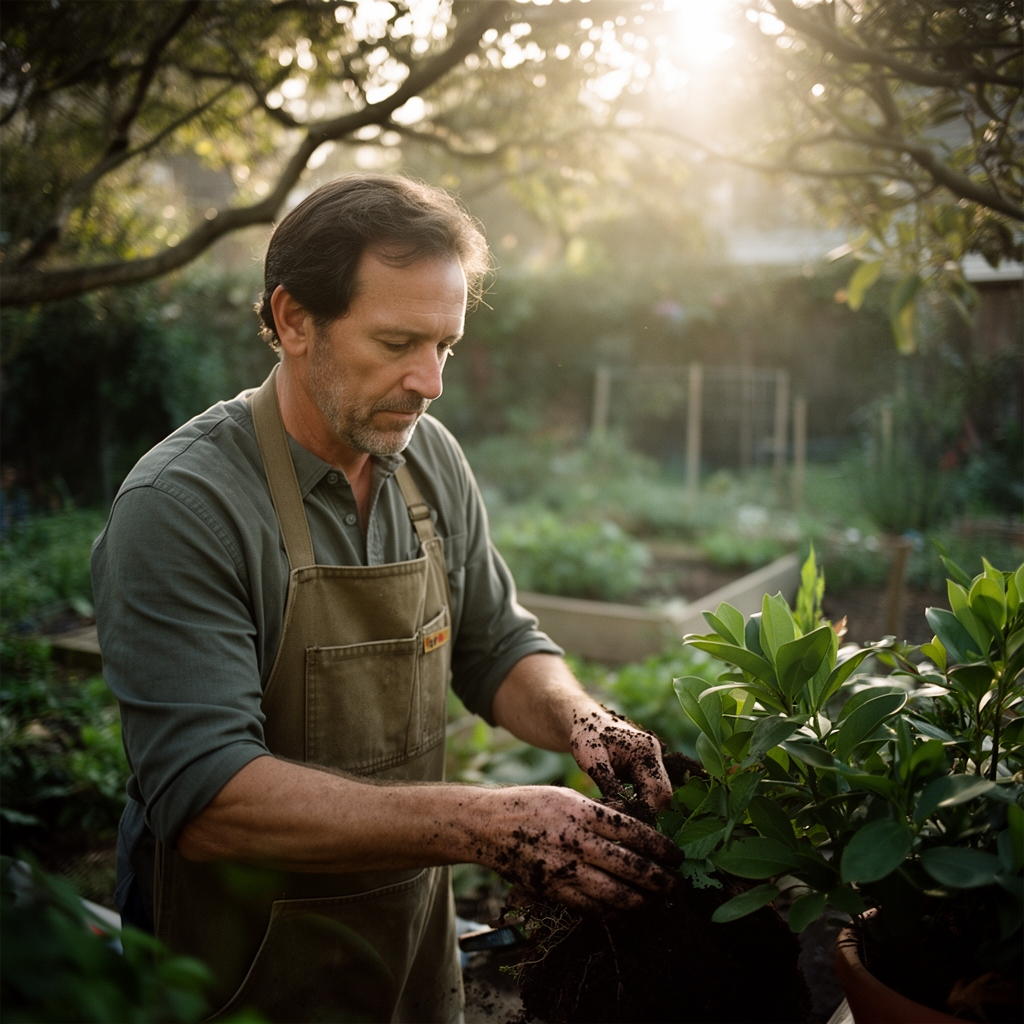
Inspect every leaf surface, petiole junction, and soil line. Remove yellowed foliage at a 45-degree angle, 1/4 inch above the nearest node. This cut angle prevents water accumulation and pathogen entry. Reduce canopy density by 15-20 percent to decrease transpiration demands. Check root health by removing plants from containers. White or tan roots indicate vigor. Black, mushy roots require excision with sterilized shears.
Pro-Tip: Apply rooting hormone with 0.3 percent indole-3-butyric acid to cut surfaces on woody tropicals like Dracaena. This stimulates callus formation before dormancy.
Soil Amendment and Root Zone Optimization
Repot only if root-bound conditions exist, indicated by roots circling the container perimeter more than three times. Use a soilless mix with 40 percent peat or coir, 20 percent perlite, 20 percent orchid bark, and 20 percent worm castings. This blend maintains cation exchange capacity above 15 meq/100g while ensuring drainage. Incorporate 1 tablespoon of mycorrhizal inoculant per gallon of growing medium. Mix granules directly into the root zone within 2 inches of existing roots. Water with a dilute solution of fish emulsion (5-1-1) at half strength, approximately 1 tablespoon per gallon.
Pro-Tip: Add 5 percent biochar to the mix. Its porous structure buffers pH and houses beneficial bacteria that process organic nitrogen through winter.
Light and Climate Stabilization
Position plants within 2 feet of south-facing windows. Supplemental lighting must run 12-14 hours daily for species like Alocasia and Anthurium. Maintain leaf surface temperatures between 65-75°F using an infrared thermometer. Cold drafts from windows create microclimates 10-15 degrees cooler than ambient room temperature. Install thermal barriers or move plants 3 feet from glass. Humidity trays filled with pebbles and water raise local humidity by 10-15 percent. Group plants to create transpiration zones where collective moisture release benefits all specimens.
Pro-Tip: Mist foliage only in morning hours. Evening moisture invites fungal colonization when stomata remain open through cooler nights.
Troubleshooting
Symptom: Brown, crispy leaf tips progressing inward from margins.
Solution: Increase humidity above 50 percent and reduce fertilizer application by half. Salt accumulation in soil from summer feeding creates tip burn. Flush containers with distilled water at three times the pot volume.
Symptom: Yellowing lower leaves with green veins intact.
Solution: Iron deficiency caused by alkaline pH. Apply chelated iron (Fe-EDTA) at 1 teaspoon per gallon and lower substrate pH to 6.0 using sulfur.
Symptom: Webbing between leaves, stippled yellow spots.
Solution: Spider mites thrive in dry winter air. Spray neem oil solution (2 tablespoons per gallon) on all surfaces every five days for three weeks.
Symptom: Sudden leaf drop without discoloration.
Solution: Temperature shock or overwatering. Check soil moisture at 3 inches depth. Allow top 2 inches to dry between waterings.
Maintenance
Water when the top 2 inches of soil feel dry to touch, typically every 10-14 days for most species. Apply 0.5-0.75 inches of water per session, measured using a rain gauge placed in the saucer. Fertilize monthly at quarter strength, approximately 1/4 teaspoon per gallon of balanced liquid feed. Rotate containers 90 degrees weekly to ensure even light exposure and prevent phototropic leaning. Wipe leaves with damp microfiber cloths every two weeks to remove dust that blocks stomata and reduces photosynthetic efficiency by up to 30 percent.
FAQ
When should I stop fertilizing completely?
Cease all feeding by mid-November for tropical species entering semi-dormancy. Resume in late February when day length exceeds 11 hours.
Can I use tap water through winter?
Only if total dissolved solids measure below 150 ppm. Hard water accumulates salts. Use distilled or rainwater for sensitive genera like Calathea.
How close should grow lights be positioned?
Maintain 12-18 inches from canopy for LED panels, 24 inches for fluorescent tubes. Measure with PAR meters to confirm 200+ micromoles at leaf surface.
Do all tropical plants need the same winter care?
No. Succulents like Sansevieria tolerate 40 percent humidity. Aroids require 60 percent. Match care to native habitat parameters.
Should I prune roots during winterization?
Only remove damaged, black roots. Avoid cutting healthy roots within eight weeks of first frost. Root regeneration requires warmth above 65°F.