7 Natural Ways to Use Cinnamon as a Seedling Fungicide
The damp-off smell arrives before you see it. A gray fuzz creeps across the soil surface, and your tomato seedlings topple at the stem line, their necks blackened and constricted. This fungal collapse, caused primarily by Pythium and Rhizoctonia species, devastates indoor seed starts in the narrow window between germination and true-leaf emergence. Ground cinnamon (Cinnamomum verum or C. cassia) contains cinnamaldehyde, a phenolic compound that disrupts fungal cell membranes and inhibits spore germination. Learning how to use cinnamon as a natural fungicide indoors requires understanding its contact mechanics, solubility limits, and integration with sterile technique. A single application cannot replace proper air circulation, but cinnamon provides a targeted, zero-phytotoxicity intervention when damping-off pressure builds in closed propagation environments.
Materials
Select cinnamon bark powder with particle size below 100 mesh for maximum surface contact. Cassia cinnamon (C. cassia) delivers higher cinnamaldehyde concentration (1-6%) than Ceylon varieties (0.5-2.5%). Source organic certification to avoid irradiation residues that degrade volatile oils.
For soil blends, begin with a sterile base: 40% peat moss (pH 3.8-4.2), 30% perlite (neutral pH), 20% coconut coir (pH 5.5-6.5), and 10% vermicompost (NPK approximately 2-1-1). Adjust final pH to 6.0-6.5 with dolomitic lime at 2 tablespoons per gallon. The vermicompost fraction introduces beneficial Trichoderma species that compete with pathogenic fungi; cinnamon augments this suppression without harming saprophytic allies. Avoid synthetic fertilizers during the seedling phase; excess nitrogen (ratios above 5-0-0) produces tender growth susceptible to fungal invasion.
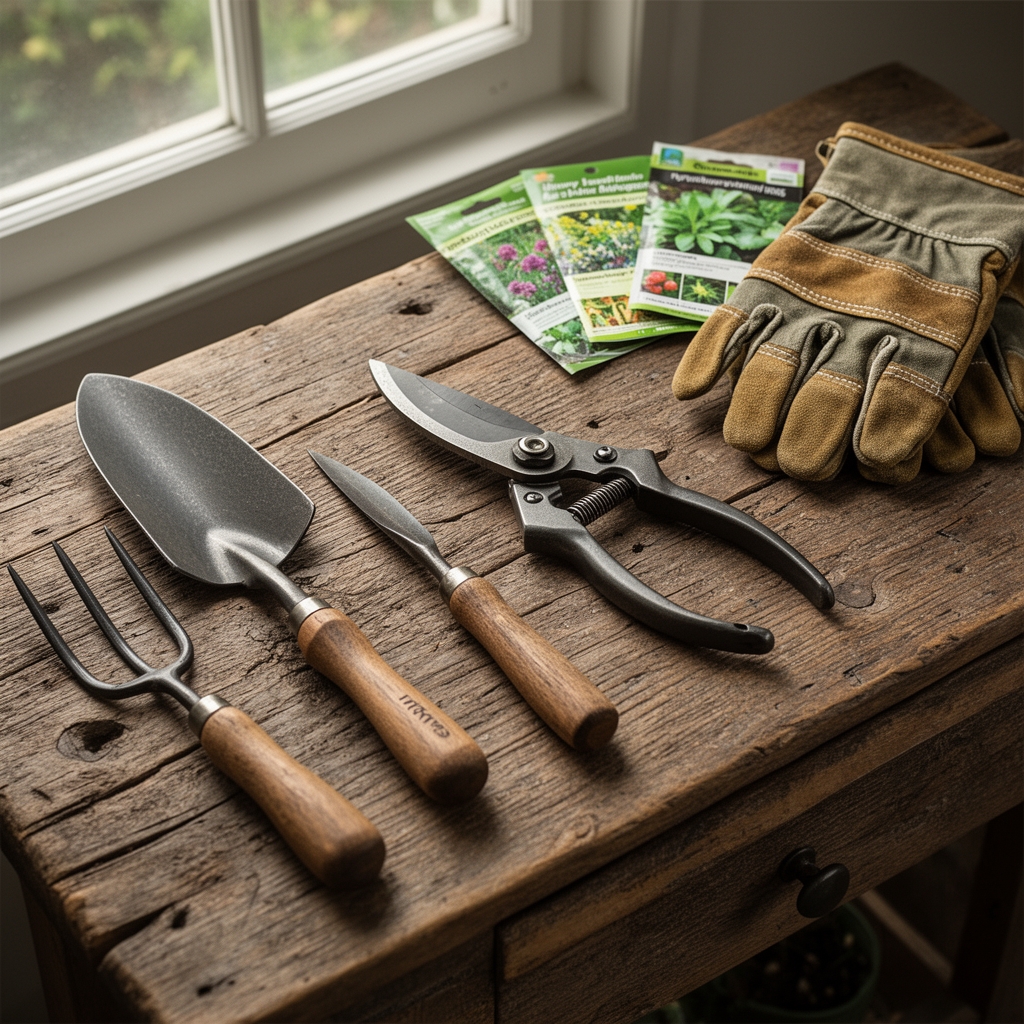
Acquire a fine-mesh shaker for even cinnamon distribution. A mason jar with cheesecloth secured by a metal band works for small-scale operations. For spray applications, procure a 16-ounce misting bottle with adjustable nozzle and pharmaceutical-grade glycerin as a dispersant.
Timing
Indoor seedling fungicide applications align with germination schedules rather than outdoor frost dates. Most fungal pathogens proliferate when soil temperature sits between 60-75°F and relative humidity exceeds 80%. In Zones 3-5, indoor sowing begins 8-12 weeks before last spring frost (typically mid-March to early April). Zones 6-8 start 6-8 weeks prior (late February to mid-March). Zones 9-11 may sow year-round but face heightened fungal pressure during humid summer months.
Apply cinnamon treatments at three critical windows: immediately after sowing (preventive dusting), at cotyledon emergence (when hypocotyl tissues are most vulnerable), and 48 hours after any watering event that saturates the soil surface. Pre-dawn application capitalizes on lower humidity and allows volatile compounds to volatilize as temperatures rise.
Phases

Sowing
Moisten seed-starting mix to field capacity (soil crumbles but does not drip when squeezed). Sow seeds at species-appropriate depth, typically 2x seed diameter. Before covering, dust the soil surface with ground cinnamon at 1/8 teaspoon per 4-inch pot. The cinnamon layer creates a chemical barrier that inhibits hyphal extension as fungal spores attempt to colonize the wet seed coat. Cover seeds with additional dry mix. Mist the surface lightly to settle cinnamon into the top 2mm of substrate without washing it away.
Pro-Tip: Coat large seeds (cucurbits, beans) individually by shaking them in a sealed container with 1 teaspoon cinnamon per cup of seed. The adhered powder protects the radicle during initial emergence.
Transplanting
Transplant occurs when seedlings develop 2-4 true leaves and roots visibly penetrate the cell wall. Prepare transplant containers (4-inch pots minimum) with the same sterile blend. One hour before transplanting, prepare a cinnamon spray: 1 tablespoon ground cinnamon, 1 teaspoon glycerin, 16 ounces distilled water heated to 160°F. Steep 20 minutes, strain through coffee filter, cool to room temperature. Mist the root ball and new soil surface immediately after transplanting. The spray introduces cinnamaldehyde into the root zone without creating hydrophobic soil conditions that dry dusting might cause.
Pro-Tip: Dip transplant tools (dibbers, spoons) in cinnamon-glycerin solution between seedlings to prevent cross-contamination of Fusarium and Alternaria spores.
Establishing
The establishment phase spans 10-14 days post-transplant as roots colonize new substrate. Monitor the soil surface daily. If white mycelial threads appear, scrape away the top 1/4 inch of soil and replace with a 1:1 mix of fresh substrate and cinnamon (1 tablespoon cinnamon per cup of soil). Bottom-watering through capillary action reduces surface moisture and limits fungal germination windows. Maintain air temperature at 68-72°F with 50-60% relative humidity. A small oscillating fan on low speed, positioned to create indirect airflow across seedling canopy, reduces stagnant moisture pockets where spores settle.
Pro-Tip: Incorporate mycorrhizal inoculant (Glomus species, 1 teaspoon per gallon of mix) during establishment. Endomycorrhizae enhance phosphorus uptake (critical for root lignification) and produce glomalin, a glycoprotein that improves soil aggregation and reduces waterlogging, the primary precursor to fungal outbreak.
Troubleshooting
Symptom: Seedlings collapse 2-4 days post-emergence; stem base appears water-soaked and threadlike.
Solution: Pythium damping-off. Increase cinnamon dusting frequency to every 48 hours. Reduce watering volume by 30%. Elevate soil temperature to 74°F with a heat mat; Pythium growth slows above this threshold.
Symptom: Brown lesions on cotyledons; white cottony growth in humid conditions.
Solution: Rhizoctonia infection. Remove affected seedlings immediately. Apply cinnamon spray at double concentration (2 tablespoons per 16 ounces). Improve air circulation; space pots 3 inches apart minimum.
Symptom: Cinnamon dust clumps and repels water, creating dry patches.
Solution: Hydrophobic soil. Lightly rake surface with a fork to integrate cinnamon into the top 5mm rather than leaving a dense surface layer. Switch to spray method for subsequent applications.
Symptom: Seedlings yellow despite adequate light; growth stalls.
Solution: Over-application of cinnamon has reduced soil oxygen. Cinnamon at concentrations above 1 tablespoon per cup can create a dense barrier. Transplant to fresh substrate. Limit future dusting to 1/8 teaspoon per 4-inch surface area.
Symptom: Fungus gnats hover near pots; larvae visible in soil.
Solution: Adult gnats lay eggs in moist organic matter. Cinnamon dust deters oviposition. Apply 1/4 teaspoon per pot as a top-dress. Combine with yellow sticky traps and allow soil surface to dry 1 inch deep between waterings.
Maintenance
Water seedlings from below using capillary mats or tray irrigation. Deliver 0.5 inches of water per week, measured by inserting a moisture meter to 2-inch depth. The top 1/2 inch should dry completely between waterings. Reapply cinnamon dust after each watering cycle, targeting the 1-inch radius around each stem where damping-off fungi concentrate.
Feed with diluted fish emulsion (2-3-1 NPK) at 1/4 strength every 14 days once true leaves expand. Excess nitrogen before root systems mature increases susceptibility to fungal rot. Maintain 14-16 hours of light daily at 200-400 foot-candles for most vegetable seedlings. Insufficient light produces etiolated stems with reduced cuticle thickness, prime targets for pathogen penetration.
Rotate trays 180 degrees every 3 days to equalize light exposure and prevent phototropic leaning that creates dense canopy pockets with poor airflow. Prune off any leaves touching the soil surface; soil-to-leaf contact transfers fungal spores via splash dispersal during watering.
FAQ
Can cinnamon replace commercial fungicides entirely?
Cinnamon controls surface-level damping-off fungi but lacks systemic action. For deep soil pathogens like Verticillium, integrate sterile technique and resistant varieties. Cinnamon works best as part of an integrated pest management strategy.
How much cinnamon is too much?
Exceed 2 tablespoons per gallon of soil and you risk hydrophobic conditions and reduced germination. At this concentration, essential oils may inhibit auxin distribution in radicles. Stay at or below 1 tablespoon per gallon for safety.
Does cinnamon expire?
Cinnamaldehyde degrades with UV exposure and oxidation. Store cinnamon in opaque, airtight containers below 70°F. Test potency by smelling; weak aroma indicates low active compound concentration. Replace every 6 months for fungicide applications.
Will cinnamon harm beneficial bacteria?
At recommended rates, cinnamon selectively inhibits fungal hyphae while preserving bacterial populations. Bacillus and Pseudomonas species, common in vermicompost, tolerate cinnamaldehyde concentrations that suppress Pythium.
Can I use cinnamon oil instead of powder?
Pure cinnamon essential oil (cinnamaldehyde 60-80%) requires extreme dilution: 3-5 drops per 16 ounces water with emulsifier. Oil concentrates risk phytotoxicity, causing leaf burn and root necrosis. Ground bark offers safer, buffered release of active compounds.