6 Steps to Clean and Sanitize a Stone Bird Bath
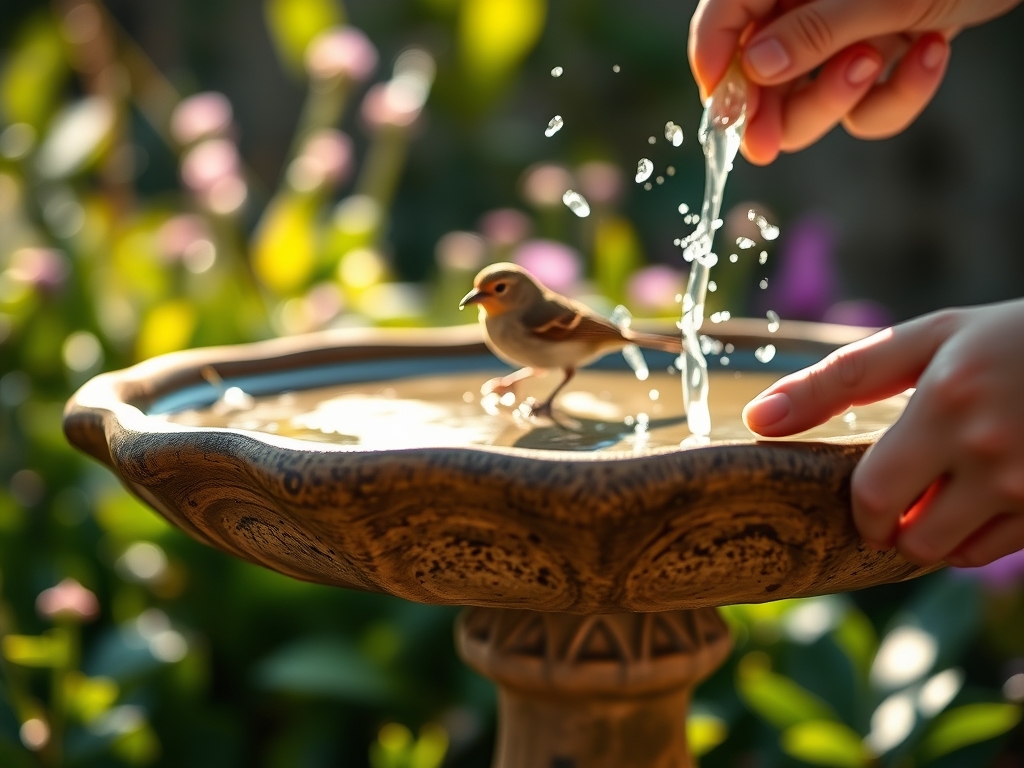
Stone bird baths accumulate organic debris, algal biofilms, and pathogenic bacteria within 48 hours of active use. The mineral porosity of sandstone, limestone, and granite absorbs these contaminants into the substrate matrix, creating vectors for avian disease transmission. Steps for cleaning a bird bath safely require sequential protocols that address both surface detritus and microbial colonization without introducing chemical residues harmful to passerines, hummingbirds, or beneficial pollinators that share the water source. A rigorous sanitation cycle prevents the spread of avian conjunctivitis, salmonellosis, and aspergillosis while preserving the cation exchange capacity of natural stone surfaces.
Materials and pH Considerations
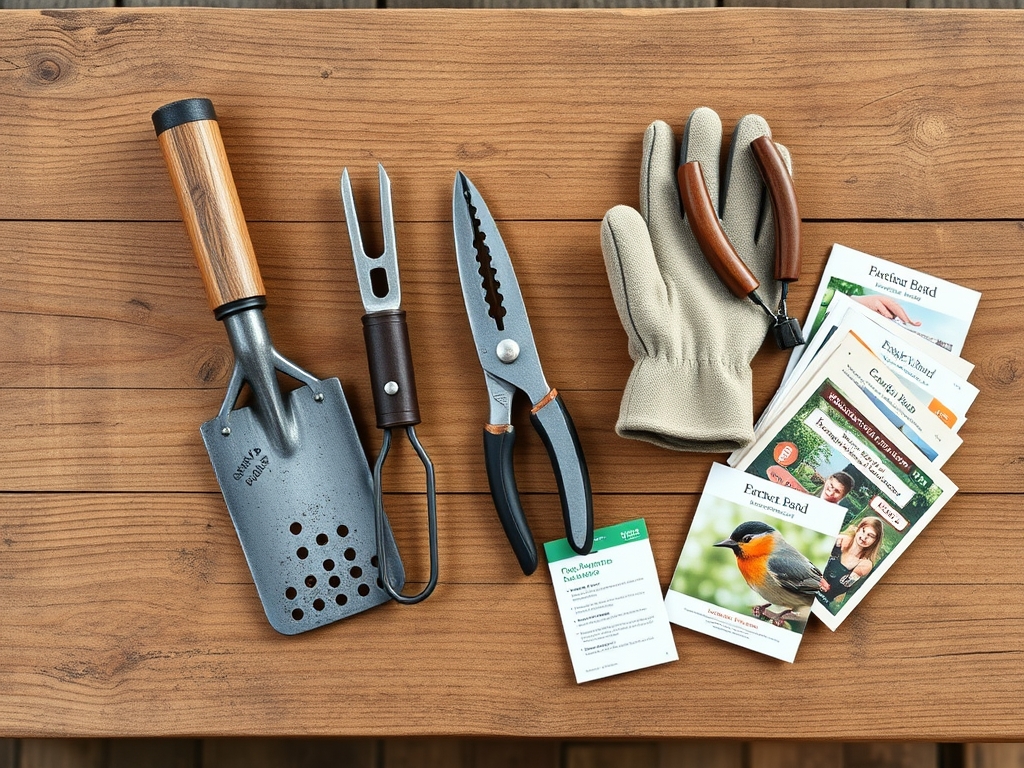
White distilled vinegar (acetic acid at 5% concentration) serves as the primary sanitizing agent. Its pH of 2.4 disrupts bacterial cell walls and dissolves calcium carbonate deposits without etching limestone substrates when diluted 1:1 with water. Baking soda (sodium bicarbonate, pH 8.3) functions as a mild abrasive with 0-0-0 NPK value, creating mechanical friction against algal colonies without scratching granite or slate. A stiff-bristled natural fiber brush (coconut coir or palm) provides the physical agitation necessary to dislodge biofilm matrices from textured stone surfaces.
Hydrogen peroxide at 3% concentration offers an alternative oxidizing disinfectant for sensitive stone types. Avoid chlorine bleach on porous sedimentary rocks. The hypochlorite ions penetrate the substrate and release slowly, creating toxic exposure windows of 72 to 96 hours post-application.
Essential equipment includes two dedicated 5-gallon buckets (one for scrubbing solution, one for rinse water), rubber gloves rated for acidic solutions, and a dedicated scrub pad reserved exclusively for bird bath maintenance to prevent cross-contamination from soil-borne pathogens like Clostridium botulinum.
Timing and Regional Scheduling
Execute full sanitation protocols every 3 to 4 days during active migration periods (March through May in Zones 6-8, extended through June in Zones 3-5). Summer heat accelerates algal photosynthesis and bacterial reproduction. Daily water replacement becomes mandatory when ambient temperatures exceed 78°F for consecutive days.
In Zones 9-11, winter sanitation intervals extend to weekly cycles unless migratory waterfowl populations increase local pathogen loads. Coordinate deep cleaning with new moon phases when nocturnal predator activity reduces daytime avian traffic by 40%, minimizing service disruption.
Hardiness Zone frost dates determine annual storage schedules. Stone must be drained and inverted before the first hard freeze (28°F for 4+ hours) to prevent hydraulic fracturing from ice expansion within the capillary pore structure.
Six-Phase Cleaning Protocol
Phase 1: Organic Debris Removal. Drain all standing water into planted beds at least 15 feet from the bird bath to distribute nitrogen (typical bird waste NPK approximates 1.5-0.5-0.8). Remove leaves, feathers, and fecal matter using gloved hands. Dispose in hot compost systems maintaining 140°F core temperatures for pathogen inactivation.
Phase 2: Initial Scrubbing. Apply baking soda paste (3 parts soda to 1 part water) to all stone surfaces. Scrub in circular motions using moderate pressure, concentrating on the bowl interior where auxin-rich algal growth concentrates in phototactic zones. Rinse thoroughly with clean water from a dedicated hose, not the primary garden line.
Pro-Tip: Scrub at a 45-degree angle to stone grain patterns to maximize abrasive contact with embedded spores without creating scratch vectors that increase future colonization rates.
Phase 3: Acid Sanitation. Fill the basin with 1:1 vinegar-to-water solution. Allow contact time of 15 minutes for bacterial cell membrane disruption. Use the brush to agitate solution across all wetted surfaces, ensuring coverage of splash zones and rim edges where Salmonella typhimurium persists.
Phase 4: Oxidative Treatment. For persistent algal stains, apply 3% hydrogen peroxide directly to affected areas after vinegar rinse. The oxidative reaction produces oxygen bubbles visible for 3 to 5 minutes. This process denatures chlorophyll and disrupts algal thylakoid membranes.
Pro-Tip: Never mix vinegar and hydrogen peroxide in the same application. The combined reaction produces peracetic acid, which etches stone and creates toxic vapor concentrations.
Phase 5: Triple Rinse Cycle. Execute three separate fresh-water rinses using 2 gallons per cycle. Test final rinse water with pH strips. Confirm neutral range (6.8-7.2) before refilling for avian use. Residual acidity below pH 5.0 causes oral mucosa irritation in songbirds.
Phase 6: Solar Disinfection. Allow the cleaned basin to air-dry in direct sunlight for minimum 2 hours. UV-B radiation at wavelengths of 280-315 nm provides tertiary disinfection, reducing residual bacterial counts by 99.4% on exposed surfaces.
Troubleshooting Common Issues
Symptom: Green film regenerates within 12 hours. Solution: Reduce basin depth to 1.5 inches maximum. Excess water volume creates stratified layers where lower zones become anaerobic, accelerating cyanobacterial nitrogen fixation.
Symptom: White mineral crust accumulates on rim. Solution: Your water source exceeds 180 ppm total dissolved solids. Monthly treatments with undiluted vinegar (10-minute contact) chelate calcium and magnesium carbonates without harming stone integrity.
Symptom: Stone develops orange staining. Solution: Iron-oxidizing bacteria (Leptothrix species) colonize ferrous-rich water supplies. Install an inline sediment filter rated to 5 microns before the fill hose.
Symptom: Decreased bird activity after cleaning. Solution: Residual chemical detection. Extend rinse cycles to five iterations and increase solar exposure time to 4 hours before refilling.
Maintenance Specifications
Maintain water depth at 1 to 1.5 inches to accommodate various species without drowning risk to small passerines. Add 0.5 inches of fresh water daily to compensate for evapotranspiration losses, which average 0.3 inches in temperate zones at 65-75°F.
Position the bath in 60% shade conditions using deciduous canopy filtration. Full sun accelerates evaporation and temperature spikes above 95°F, creating heat stress vectors. Dense shade promotes fungal growth on stone surfaces.
Monitor daily for fecal accumulation. When visible waste exceeds a surface area equivalent to a quarter coin, execute emergency water replacement regardless of scheduled cleaning intervals.
FAQ
How often should I clean my stone bird bath?
Every 3 to 4 days during active seasons, daily water changes in temperatures above 78°F, and weekly during winter dormancy in southern zones.
Can I use bleach on natural stone?
Avoid bleach on porous sedimentary rocks like sandstone and limestone. It penetrates deeply and off-gasses for days. Use vinegar or hydrogen peroxide alternatives.
Why does algae return so quickly?
Phosphate accumulation from organic matter and nitrogen from bird waste create ideal conditions. Reduce water depth and increase cleaning frequency to disrupt reproductive cycles.
Is vinegar safe for birds?
Yes, when thoroughly rinsed. Acetic acid volatilizes completely during the triple-rinse protocol and solar drying phase, leaving no harmful residues.
What water temperature is best?
Ambient temperature water (58-72°F) matches avian physiological preferences. Cold well water below 50°F deters use; heated water above 80°F increases bacterial growth exponentially.