6 Safe Steps to Hang Indoor Plants from the Ceiling
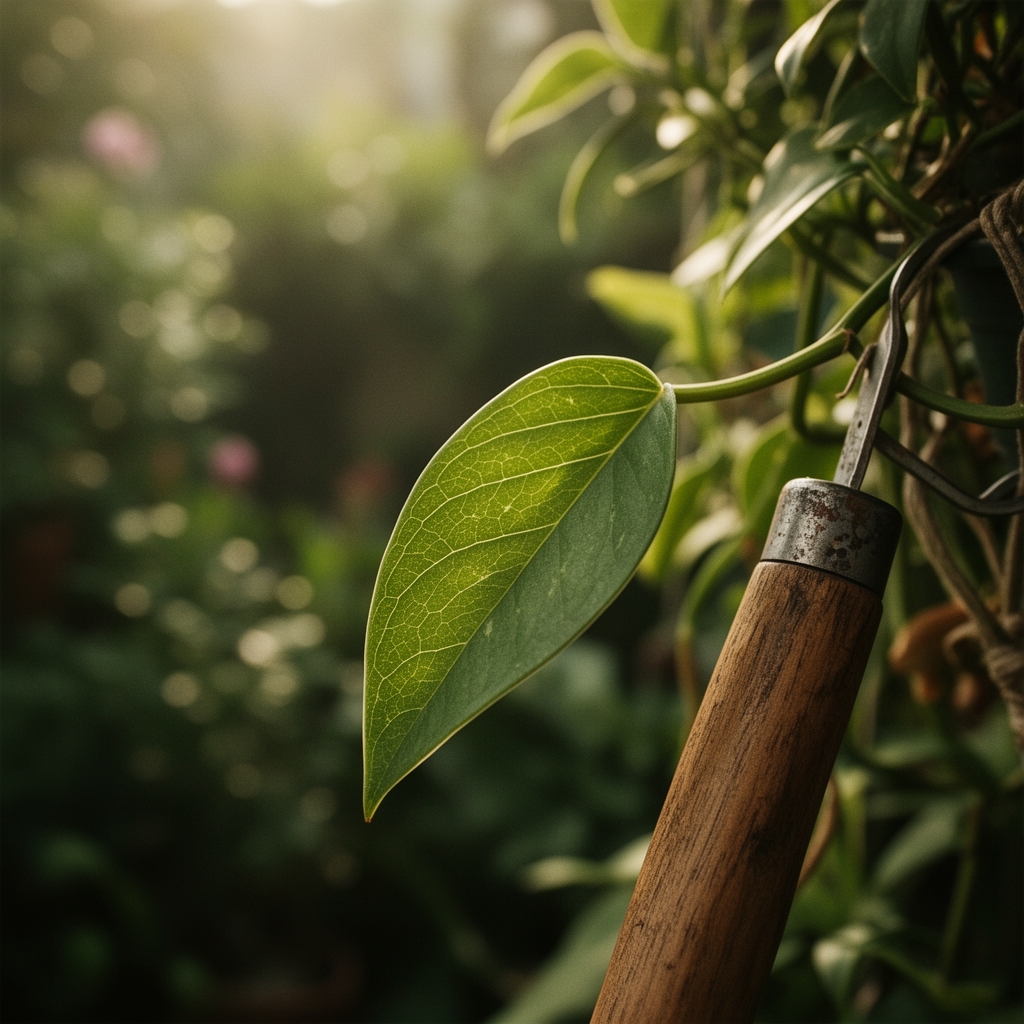
Suspending a mature Philodendron hederaceum above eye level transforms vertical air space into photosynthetic real estate. The steps for hanging indoor plants from the ceiling demand precision in load calculation, substrate selection, and irrigation geometry. Mistakes in anchor placement risk structural damage or plant mortality. This guide integrates structural engineering principles with horticultural best practices to ensure safe installation and long-term vitality for overhead specimens.
Materials
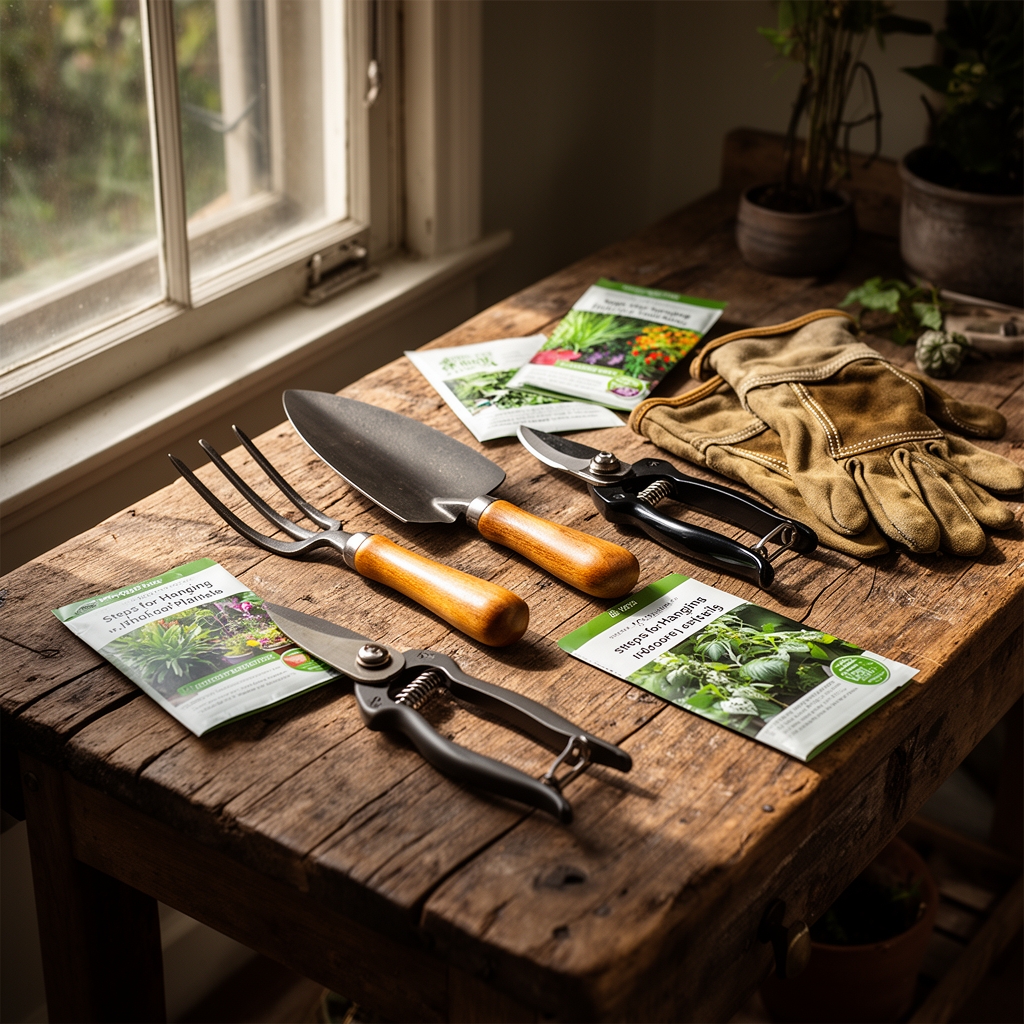
Successful overhead cultivation requires equipment tailored to load and substrate chemistry. Toggle bolts or ceiling joists support containers exceeding 15 pounds when saturated. Swivel hooks prevent torsional stress on stems during daily rotation. Select hanging baskets with 8-12 inch diameters for species like Hoya carnosa or Nephrolepis exaltata.
Substrate composition directly influences cation exchange capacity and drainage velocity. A 2:1:1 mix of peat moss, perlite, and composted bark maintains pH between 5.8 and 6.5 for most tropical epiphytes. Incorporate slow-release granules rated at 14-14-14 NPK for balanced macronutrient delivery over 90 days. Organic alternatives include blood meal (12-0-0) combined with bone meal (3-15-0) and kelp meal (1-0.5-2.5) to achieve approximate 4-4-4 ratios. Mycorrhizal inoculant at 0.5 grams per liter of substrate enhances phosphorus uptake in pothos and philodendron roots.
Hardware checklist includes a stud finder calibrated for wood or metal joists, a drill with 1/4-inch masonry bits for drywall anchors, S-hooks rated to 35 pounds, and braided steel cable or polyester macrame cord with 50-pound test strength. A laser level ensures horizontal alignment across multiple installations.
Timing
Indoor installations bypass frost-date constraints, but circadian and seasonal light cycles affect root establishment. Install between late March and early June in USDA Hardiness Zones 3-9 to capitalize on increasing photoperiods. Extended daylight from spring equinox to summer solstice elevates auxin production, accelerating adventitious root formation in newly potted specimens.
Avoid December through February installations. Reduced PAR (photosynthetically active radiation) below 400 micromoles per square meter per second suppresses carbohydrate synthesis, weakening anchorage response to mechanical stress. Supplemental grow lights emitting 5000K color temperature mitigate winter installation risks by maintaining 12-14 hour photoperiods.
Phases
Step 1: Locate Structural Support
Use a stud finder to identify ceiling joists spaced 16 or 24 inches apart. Mark joist centers with painter's tape. For installations between joists, install toggle bolts rated to 50 pounds into 1/2-inch drywall. Avoid popcorn ceilings or plaster without backing boards. Weight tolerance decreases by 40 percent in unsupported drywall.
Pro-Tip: Drill pilot holes at 15-degree angles into joists to increase thread contact and shear resistance under oscillating loads.
Step 2: Install Hardware
Thread ceiling hooks into joists by hand until resistance increases. Apply final half-turn with pliers to seat threads without stripping wood grain. For toggle bolts, drill 1/2-inch access holes, collapse wings, insert bolt, and tighten until wings flatten against drywall interior. Test each anchor with 25-pound dead weight for 60 seconds before attaching plants.
Pro-Tip: Apply threadlocker compound to screw threads in high-humidity environments above 65 percent RH to prevent corrosion-induced loosening.
Step 3: Prepare Container
Drill three 1/4-inch drainage holes in plastic or ceramic baskets lacking perforations. Line basket interiors with coconut coir or sphagnum moss to retain substrate while permitting water egress. Fill with pre-moistened substrate mix to 1 inch below rim. Create central planting well measuring twice the root ball diameter.
Pro-Tip: Incorporate horticultural charcoal at 5 percent by volume to adsorb phenolic compounds and reduce substrate pH drift.
Step 4: Transplant Specimen
Remove plant from nursery container and score root balls in four vertical lines with a sterile blade. This severs circling roots and stimulates lateral growth. Position crown at original planting depth. Backfill with substrate, tamping gently to eliminate air pockets. Water until drainage occurs, then allow 10-minute gravity drain.
Pro-Tip: Apply rooting hormone powder containing 0.3 percent IBA (indole-3-butyric acid) to scored roots to accelerate establishment by 30 percent.
Step 5: Attach Hanging Mechanism
Thread S-hooks or chain through basket drainage wires. Attach to ceiling hooks using quick-links or carabiners rated for climbing applications. Adjust chain length so foliage hangs 18-24 inches below ceiling for optimal light interception. Ensure basket remains level using a bubble level across two perpendicular axes.
Pro-Tip: Install swivel bearings between hook and hanger to permit 360-degree rotation during weekly quarter-turns toward light sources.
Step 6: Establish Watering Protocol
Overhead irrigation requires modified technique. Use a watering wand with 12-inch curved spout to deliver 8-12 ounces per session for 6-inch pots, adjusting for substrate dry-down rate. Water when top 2 inches of substrate reach 30 percent moisture content, measured with a tensiometer. Place absorbent terry cloth under baskets during watering to capture overflow.
Pro-Tip: Add 1/4 teaspoon of non-ionic surfactant per gallon of irrigation water to reduce surface tension and improve substrate wettability in peat-based mixes.
Troubleshooting
Symptom: Leaf chlorosis progressing from margins inward, necrotic spots.
Solution: Magnesium deficiency. Dissolve 1 teaspoon Epsom salt per gallon of water. Apply as foliar spray at 50 percent concentration every 10 days for three applications.
Symptom: Bracket failure, torn drywall around anchors.
Solution: Load exceeded anchor rating. Reinstall using 3-inch lag bolts driven into joists. Calculate wet weight as 2.5 times dry container weight.
Symptom: Fungus gnats (Bradysia species) emerging from substrate.
Solution: Larvae feeding on organic matter. Apply Bacillus thuringiensis subspecies israelensis (Bti) drench at 0.5 ml per liter. Reduce irrigation frequency to extend dry-down cycles beyond 4 days.
Symptom: Stem etiolation, internodes exceeding 4 inches.
Solution: Insufficient PAR. Lower baskets 6 inches or supplement with LED arrays delivering 200 additional micromoles per square meter per second for 10 hours daily.
Symptom: White crusty deposits on substrate surface.
Solution: Mineral salt accumulation from hard water. Flush substrate monthly with distilled water at 2x container volume. Switch to reverse-osmosis water with TDS below 150 ppm.
Maintenance
Rotate baskets 90 degrees weekly to ensure even light distribution and prevent phototropic bending. Fertilize every 14 days during active growth with liquid 7-9-5 NPK formulation diluted to half-strength (500 ppm nitrogen). Discontinue feeding from November through February when growth rates decline below 1 cm per week.
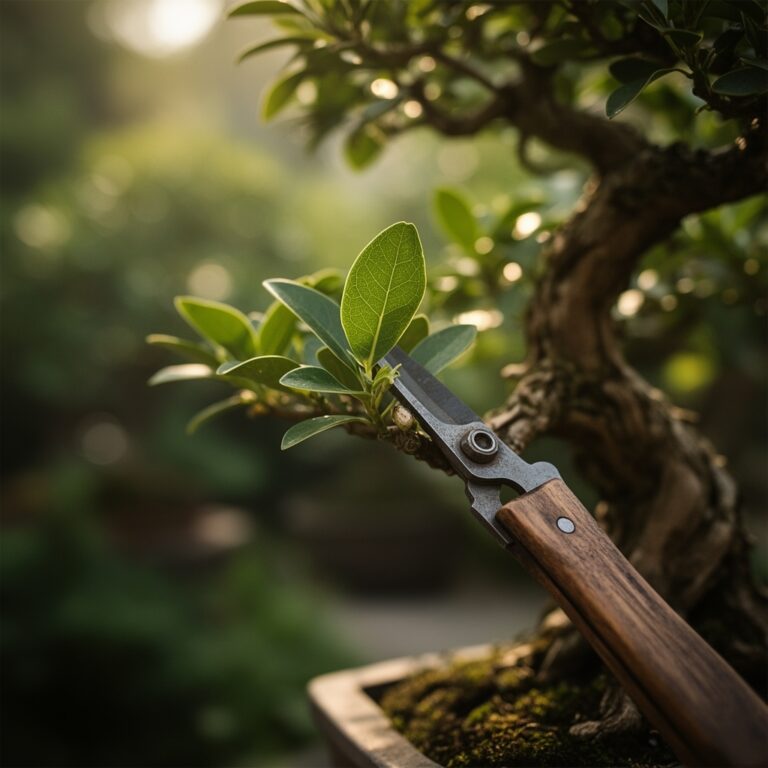
Prune dead or damaged foliage at 45-degree angles 1/4 inch above node scars using sterilized pruning shears. Remove no more than 20 percent of leaf area per session to avoid shocking carbohydrate reserves. Inspect hardware quarterly for rust or loosening. Re-tighten anchors if vertical displacement exceeds 1/8 inch.
Apply insecticidal soap at 2 percent concentration monthly as preventive measure against spider mites and aphids. Mist foliage twice weekly when relative humidity drops below 40 percent to prevent stomatal dysfunction. Repot every 18-24 months or when roots occupy more than 80 percent of substrate volume.
FAQ
How much weight can drywall anchors support for hanging plants?
Toggle bolts in 1/2-inch drywall support 35-50 pounds when properly installed. Plastic anchors fail above 15 pounds. Always use joist-mounted hardware for containers exceeding 10 pounds dry weight.
What is the best substrate for hanging baskets?
A mix of 50 percent peat moss, 25 percent perlite, and 25 percent composted bark maintains porosity while retaining adequate moisture. Add 10 percent worm castings for slow-release nitrogen at 1-0-0 NPK.
How often should I water overhead plants?
Water when substrate moisture drops to 30 percent, typically every 5-7 days for 8-inch baskets in climate-controlled interiors. Deliver 1 inch of water per session, measured as 0.6 gallons per square foot of substrate surface.
Can I hang plants from popcorn ceilings?
No. Popcorn texture adheres to drywall without structural integration. Install backing boards or locate joists. Textured ceilings provide no load-bearing capacity.
Which plants tolerate low light in hanging baskets?
Pothos aureus, Philodendron hederaceum, and Chlorophytum comosum photosynthesize efficiently at 200-400 foot-candles. Position 3-5 feet from north-facing windows or 6-8 feet from eastern exposures.